

A quick note: a few links below are affiliate links. Buy through one and we may earn a small commission. It never costs you more, and we only point to gear we'd actually put in front of our own dogs. As an Amazon Associate I earn from qualifying purchases.
Quick answer
Yes, for the right family: Huskies are affectionate and genuinely patient with kids, rolling with ear-tugging and climbing that would rattle other breeds. The catch is the energy and stubbornness bred into them from generations of living packed together in harsh cold, so an under-exercised Husky gets destructive fast. Supervise the early weeks with small kids, since a 50-pound adult mid-zoomie can knock a toddler over by accident.
So you’ve got your heart set on a Husky. Smart move, mostly. Siberian Huskies tend to be patient with kids and forgiving of the chaos that comes with a busy house. Before you go pick out a puppy, though, there are a handful of things about this breed that catch new owners off guard.
They’re stunning to look at, sharp in their own stubborn way, and athletic enough to wear out a marathon runner. They’ll also flood your home with affection. The real question is whether that package fits your life. Keep reading and you can decide for yourself.
Are Huskies Good Family Dogs?
Yes, for the right family. Huskies are affectionate, playful, and genuinely good with children, which is why so many people fall for them. The catch is the energy and stubbornness that comes attached. Here is what makes a Husky shine as a family dog, and where owners tend to underestimate the work.
They Get Along With Children
Few breeds put up with kids the way a Husky does. Toddlers tug ears, climb on backs, fall asleep using the dog as a pillow, and most Huskies just roll with it. They were bred to live packed together with families in brutal cold, so close contact is in their wiring.
The play drive is the real gift here. A Husky will run a bored only child ragged in the backyard, and it’s a decent excuse to pry an older kid off the phone and outside. Just match the dog to the kid. A 50-pound adult full of zoomies can flatten a small toddler by accident, so supervise the early weeks.
New baby coming? Plenty of dogs sulk over a new arrival. Huskies usually fold the baby into the pack instead and get a little protective. Give your dog time to adjust and most settle into a gentle older-sibling routine.
They Are Friendly
Strangers don’t faze a Husky. Your friends will get the full greeting, tail going, leaning in for a scratch, even the ones who normally keep their distance from dogs. Guests bringing their own kids? Even better, in a Husky’s book.
That sociability is exactly why people love them and why they make lousy guard dogs. A Husky greets a burglar like a long-lost friend. Manage your expectations there. What you get instead is a dog that rarely barks at company and treats your living room like a party it was invited to.
They Are Tolerant of Other Pets
Drop a Husky into a house full of dogs and it usually fits right in. They read as friendly to other dogs, though a poorly socialized housemate can put your Husky on edge, so the chemistry runs both ways.
Small pets are the part nobody warns you about. This breed was built to hunt across the Siberian tundra, and that prey drive never fully switches off. A Husky raised alongside a cat from puppyhood will often treat it as family. A cat introduced later, or the neighbor’s rabbit darting across the yard, is a different story. Supervise closely and never assume.
Start socialization early, ideally in the first few months. It won’t erase the instinct. Squirrels and rabbits in the wild are still fair game in your dog’s mind. But a Husky that grew up with your cat or pet rabbit will usually leave it alone for life.
They Are Intelligent
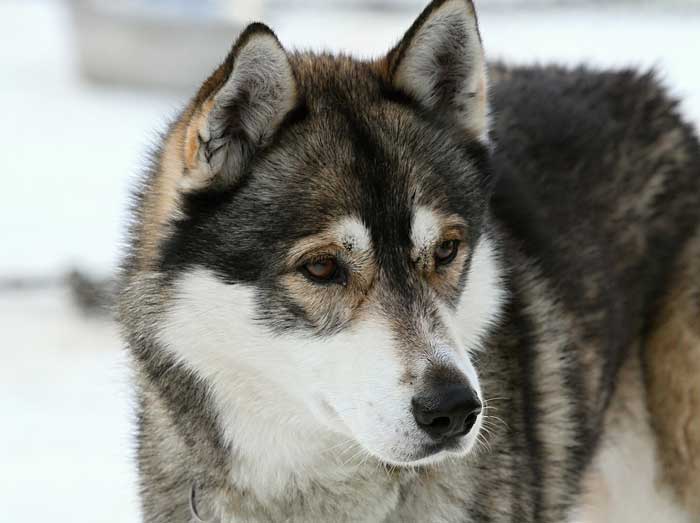
Plenty of breeds outrank the Husky on obedience charts. That ranking misses the point. Huskies are smart in a way that doesn’t always show up as quick command-following.
Stanley Coren’s well-known intelligence scale grades breeds on how many repetitions it takes to learn a new command and how reliably they obey it the first time. By that yardstick, Huskies land in the above-average tier rather than the top, and there’s good reason for the gap.
The reason is independence. A Husky hears your command, considers it, and decides whether it agrees. That’s not stupidity. It’s a working dog bred to make its own calls in conditions where blindly following a handler could get the whole team killed in the snow.
They’re problem-solvers with real working backgrounds, and each dog brings its own quirks to the table. Build a solid relationship and a Husky will learn a surprising range of tasks. Try to drill it like a robot and you’ll both end up frustrated.
They Don’t Shed Much, Until They Do
Most of the year a Husky is a tidy roommate. The double coat self-cleans, the dog grooms itself like a cat, and daily fur on the floor stays manageable for a busy family.
Then comes the coat blow. Twice a year, usually spring and fall, your Husky sheds its undercoat in clumps for two to three weeks straight. Plan on daily brushing and a vacuum that earns its keep. Outside those windows, cleanup really is light.
One honest warning: apartment life is a tough fit for this breed unless you put in serious training and exercise. If you’re the type who jogs at dawn and hikes on weekends, your Husky will be the happiest dog on the trail.
Is a Husky The Perfect Dog for You?
The breed likely originated among the Chukchi, a people of Siberian nomads who relied on these dogs for hauling sleds and hunting across frozen ground.
For generations Huskies worked hard by day and slept piled in with the family at night, their thick coats keeping the children warm. That history still shapes the dog you’d bring home today.
People see those eyes and fall in love, then learn the hard way whether the lifestyle matches. Run through this list honestly. A Husky is probably right for you if:
- You want a medium-sized, high-energy dog. Most Huskies weigh 35 to 60 pounds and never seem to run out of gas, so they suit someone already on the move.
- You like a free-spirited, goofy personality. This dog has opinions and will bring a steady stream of laughter to the house.
- You need a real athletic partner. Daily runs, long fetch sessions, kids who never tire it out, that’s the dream setup for a Husky.
- You love the outdoors. Hiking, camping, long stretches at the beach, a Husky is up for all of it.
- You want an affectionate, easygoing dog. They tolerate people and other dogs well and won’t melt down when company shows up.
- You appreciate a dog with character. A Husky invents its own games and keeps you guessing, which is half the fun.
- You have time to give. From day one you’ll be watching, training, and engaging this dog. Pour love into a Husky and it comes straight back at you.
What Should You Look Out For Before Getting a Husky?
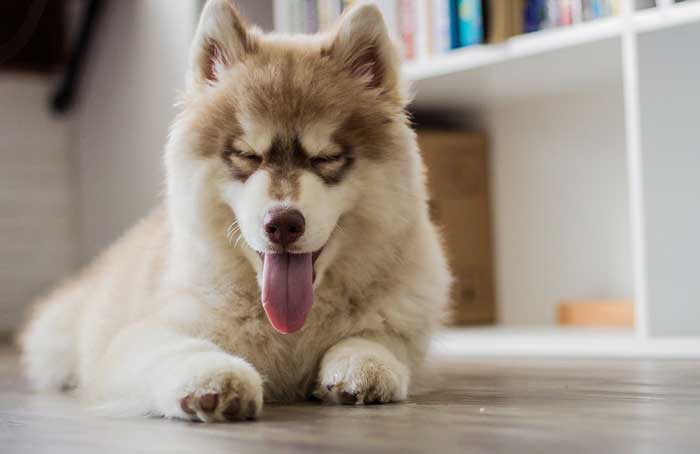
Whether a Husky works as a family dog depends almost entirely on your setup. Think hard about your daily routine, how many kids are underfoot, and what other pets share the space before you commit.
Those striking eyes and that mischievous grin pull people in. What they don’t see coming is how much attention this breed demands.
When the work outpaces the cuteness, owners give up, and Huskies fill shelters at higher rates than most breeds their size. Sad and avoidable. Here’s what to weigh first.
- A Husky is strong-willed and will steamroll a timid or first-time owner. It needs someone calm and consistent who sets clear rules and means them.
Without that steady hand, your Husky simply won’t take you seriously. These are dogs that look to a leader, and if you don’t fill the role, they’ll happily run the household themselves.
- This breed needs heaps of attention and training, the earlier the better. Skip the work during puppyhood and you’ll be living with a stubborn, headstrong adult that’s far harder to manage.
- Huskies hate being left. Bored and alone, a Husky gets destructive fast. Shredded couch cushions and dug-up carpet are the classic signs that your dog has too much time on its paws.
- Apartments rarely suit them. A Husky often feels boxed in by tight quarters, though committed training and plenty of outdoor time can make it work in the right hands.
- Even a big backyard isn’t a free pass. Huskies dig, and they’ll redesign your flower beds without a second thought. Fence off a digging spot of their own and save your landscaping.
- Consider your climate. That dense double coat is built for the Arctic, so a Husky in a hot region will struggle and overheat without shade, water, and air conditioning.
- Give them room to move and a real exercise routine. This is not a low-effort apartment dog. It needs to burn energy every single day.
Runs, jogs, and hard play keep a Husky lean, healthy, and out of trouble. All that exercise drains the energy that would otherwise turn into chewed furniture and restless pacing.
- Want a quiet dog? Look elsewhere. Huskies grumble, groan, and “talk” constantly, and a bored one will howl loud enough to reach the next block. Leave it alone too long and your neighbors will notice.
- This is no guard dog. If you want protection, pick another breed, because a Husky is far too friendly to scare anyone off and will befriend the mailman within seconds.
- A Husky is an escape artist, plain and simple. Leave one alone in the yard and it will scale the fence, dig under it, or slip the gate the moment you blink, then bolt.
Bottom line, only bring home a Husky if you’ll genuinely spend the time on it. Boredom and neglect are exactly how so many of these dogs end up lost, injured, or surrendered.
Final Thoughts
A Husky is a wonderful family dog in the right home. It adores playtime, gets on well with kids and other animals, and never once turns into furniture.
It’s also stubborn, vocal, escape-prone, and in constant need of a job to do. If you can match that energy with daily exercise and patient training, the payoff is a loyal, hilarious companion. If you can’t, do yourself and the dog a favor and look at a calmer breed first.
Resources
- Husky Temperament & Personality by Canna Pet
Frequently asked questions
Is this breed actually safe around small children?
Temperament and tolerance for clumsy handling matter far more than breed or size. A patient 60-pound dog is a safer bet with a toddler than a nervous small one that has nowhere to retreat to.
At what age can a child be left alone with the dog?
Not before about ten, and even then only with a dog that has never guarded food or toys. Young kids miss the early warning signals, so supervision is about them as much as the dog.
How do I introduce a dog to a toddler?
Let the dog approach on its own, keep the first meetings short, and give it an escape route it can take without being followed. Forced greetings are where most bites start.
Google lets you pick which sites come up first in your own results.