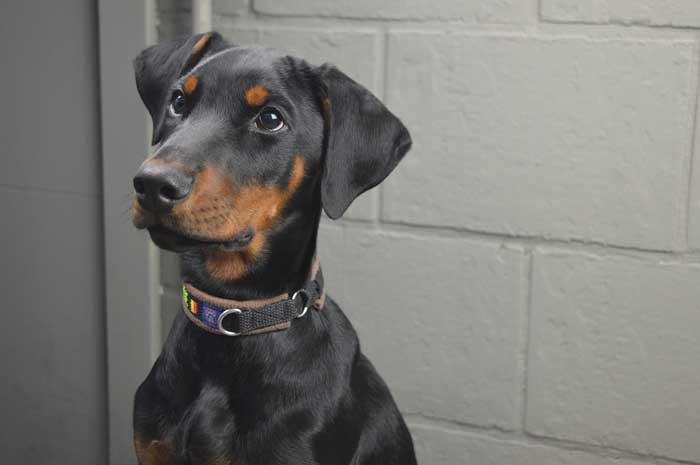

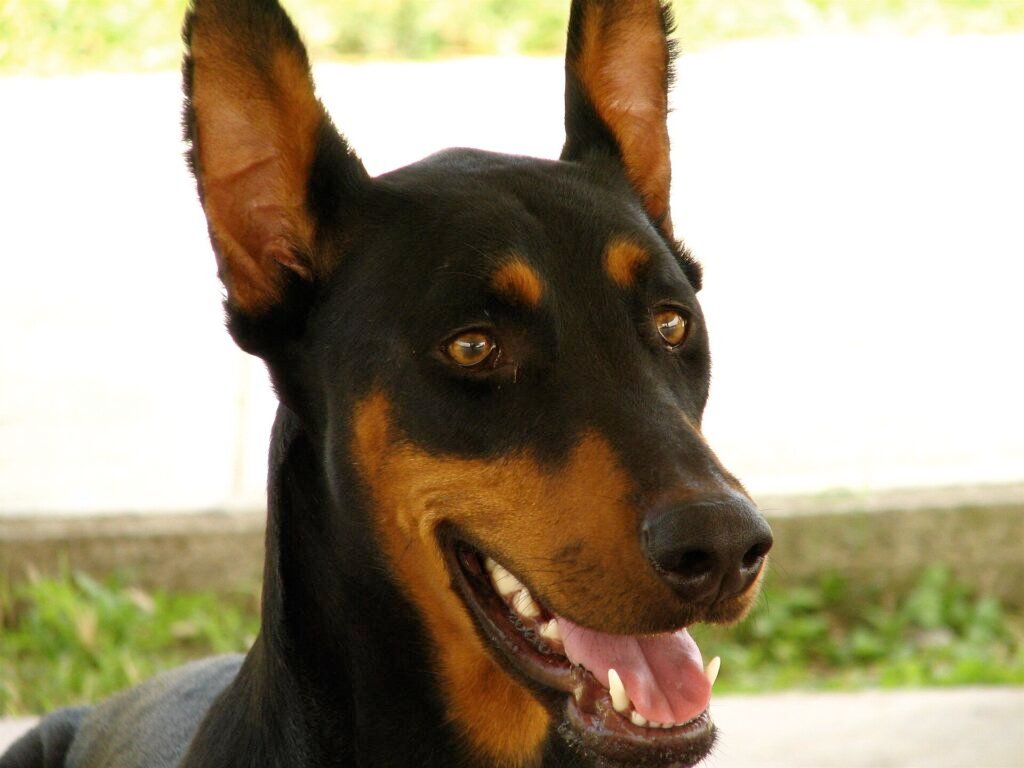
The Doberman Pinscher started out as a German guard dog and ended up one of the most recognized working breeds in the country. Police units use them. Personal protection trainers swear by them. So owners with kids keep circling back to the same worry: are Dobermans good family dogs, or just guard dogs in a family-shaped costume? This ties closely into the best orthopedic dog beds for large and senior dogs, which we cover elsewhere on the site.
A Doberman is an excellent family dog and will make sure that his family is safe all the time. It’s a loyal dog that you can depend on, but special attention and training are crucial to guarantee the safety of your canine and everyone in the family. We go deeper on how Great Pyrenees do as family dogs in a separate guide.
Here is what that actually looks like day to day with this breed.
Are Dobermans Good Family Dogs?
Bringing a dog home is not a weekend decision. Every dog has good in it, sure. But the breed’s wiring plus the individual dog in front of you decides whether your household is the right fit, and a Doberman is a strong personality to live with. Plenty of owners in this exact spot also look into whether French Bulldogs make good family dogs.
They tend to bond hard, lean affectionate, and read a room better than most breeds. Raise one alongside your kids and it files them under “my people,” same as littermates in a pack. A few specific reasons the breed earns the family-dog label:
They’re Loyal
This breed was built to guard. That instinct does not switch off, so a Doberman will put itself between trouble and the people, the house, and the kids it has claimed.
Have a toddler? Your dog tends to track that child like it is the job, even when you have stepped out of the room. The loyalty runs deep enough that a well-bonded Dobie really will stand between danger and your family.
There is also the face. That alert, slightly stern Doberman expression turns people away on its own, which helps if protection is part of why you wanted the dog. It says nothing about the goofy, affectionate animal behind it.
The flip side worth knowing: a stable Doberman does not lunge at guests for no reason. Unless someone is acting shady, threatening you, or coming in hot, your dog holds its ground instead of starting something.
They’re Curious and Playful
Forget the serious face for a second. Underneath it sits a dog that genuinely loves to play, with kids and adults both, and wants in on whatever the family is doing.
Unlike breeds that drift off to do their own thing, this one shadows you room to room. Do not be surprised when your Doberman claims the warmest spot in the house, because the short single coat means it feels the cold and seeks out heat. A Dobie sprawled on the floor while the kids tear around it is about as on-brand as the breed gets.
Dobermans also grow up slowly. Many keep that bouncy, puppyish streak until they are close to three years old. That long adolescence makes them solid playmates for younger kids who want a dog that still wants to wrestle.
They’re Affectionate
The protective side gets the headlines. The soft side is just as real. These dogs are genuinely tender, and some are trained as emotional support dogs for people working through trauma.
A Doberman tends to put your needs ahead of its own. Feeling low? It parks itself beside you. The breed picks up on mood and pain remarkably well and stays close while you ride it out.
Most people would never guess a Doberman as a therapy or emotional support animal, yet it checks the boxes. Dobermans rank among the smarter breeds, and they are warm by nature, which is a hard combination to beat in a companion.
People who have survived an assault often feel safe around one. The size and presence read as protection. Meanwhile the dog itself just wants to be near you, which is the part that surprises owners.
Because the breed is so alert, some folks doubt it can be a real support animal. Fair enough, the same traits make Dobermans excellent police and military dogs. Those traits and steady affection are not at war with each other, though. One dog holds both.
They’re Suitable for Apartment Living
Give it real daily exercise and Dobermans can be suitable for apartment living. The dog cares about being near its people, not about the square footage.
That said, a house with a backyard is the happier setup. Room to sprint and play with the kids goes a long way for a dog built this athletic.
They’re Easy to Groom
Grooming a Doberman barely registers as a chore. The coat is short and low-maintenance, so a first-time owner can keep up with little more than the occasional bath.
No heavy brushing required. Run a rubber grooming mitt over that short coat once or twice a week and you pull off the loose hair before it lands on your couch.
They’re Smart
A Dobie wants a job and picks up commands fast. Throw it a challenge, an obstacle course, a tracking game, agility, and it lights up.
New to training? This breed forgives a lot because it learns quickly and rarely argues with a clear cue. Compared with the stubborn breeds, a Doberman is far easier to bring along.
Here is the catch, though. A smart dog gets bored, so you have to keep rotating new tricks and games. Hit that mark and the breed makes a great companion for an only child or anyone home most of the day.
They’re Helpful
That intelligence makes the breed a capable guide and service dog. It learns to work around obstacles and offers steady support to a person managing a health condition.
Some people with low vision choose Dobermans for exactly that reason. The dogs read obstacles well, hold an even temperament, and train up easily, which adds up to real independence for their handler.
A Doberman wants to please you, so it tends to do whatever you have taught it. Strong-willed and sharp, yes, but not truly stubborn. It takes training eagerly and shrugs off correction, as long as the correction never tips into anything harsh.
Is a Doberman The Perfect Dog For You?

Late in the 19th century a German tax collector named Karl Friedrich Louis Dobermann wanted a dog that would guard him on a dangerous route, so he bred toward exactly that and landed on the Doberman Pinscher. The dog he created was fiercely loyal, which made it the guard dog he was after.
Word spread fast about a dog that would lay down its life for its owner. Over the decades, though, people kept noticing the other side, the warmth in this clever, powerful animal.
It was bred for the hard jobs, so it became a go-to guard dog and picked up a reputation for aggression along the way. That reputation oversells it. The same drive channels neatly into sport, work, and play when you give it an outlet.
All that energy means a Doberman pays off most for an active owner. It wants to play with you and the kids, indoors and out. The breed tends to be a good match in cases like these:
- You need a medium-sized active dog that stays alert. It likes to be kept busy physically and mentally, so it will be the right companion for someone who has an active lifestyle and spends a lot of time at home.
- You’re a new owner and don’t have a lot of experience with training dogs. The Doberman is a smart dog and a quick learner, so it will quickly adapt to your lifestyle and become a well-trained member of your family.
- You want a dog with a puppyish attitude. This dog will retain the traits of a playful and funny puppy longer than other breeds, so it can be the right choice for you if you’re a patient person with lots of time.
- You want an affectionate dog. Whether you’re looking for a new companion for your kids or need an emotional support dog, a Doberman might be the right dog for you.
- You have other pets in the house. With early and proper socialization, a Doberman will get well with other dogs and pets with no issues.
- You live in an apartment. Although this dog needs a lot of physical stimulation, it can easily adapt to apartment living.
- You live in a house with a fenced backyard. This will provide the Dobie with enough room to play and will also protect it as well as other dogs and people.
- You need a good companion for your kids. The overly protective nature of the Doberman makes it an excellent dog for a busy household because it loves playing with children.
- You need a guard dog. The Doberman is extremely protective towards you and your family, so it will try to attack anyone who displays aggressive behavior towards you.
- You need a dog that doesn’t require a lot of grooming. Although it’s a frequent shedder, a Doberman only needs an occasional bath and regular brushing to keep its coat in good condition.
What Should You Look Out Before Getting a Doberman?

A Doberman makes for an interesting family dog because it adopts you fast, sometimes faster than you adopt it. It loves spending time with your kids and pours a lot of attention into the household.
This loyal dog will do whatever it takes to protect the family. It is one of the brightest breeds you can bring home, yet plenty of owners underestimate what keeping a Doberman happy actually demands. Walk through these points before you commit:
- A Doberman is an active dog that needs a lot of exercises. If you spend a lot of time away from home or don’t have time to train your dog, it might get easily bored.
- Because it’s a quick learner, there’s always the need to come up with new games and challenges. This is how you’ll get the dog mentally stimulated. Without this stimulation, the dog might get bored, which can lead to destructive behavior.
- A Doberman is a strong-willed dog that likes to assume the role of the pack’s leader. Unless you show your dog that you’re the leader in the house, it will become too bossy and challenging to train and control.
- You should start training your dog from an early age, emphasizing that you’re the leader. This will encourage your dog to follow your orders.
- A Doberman needs early socialization. This dog can be overly protective, so it needs early socialization to overcome its guarding instincts.
- If you spend a lot of time away from home, the Doberman might not be the right breed for you. This dog is a family dog and likes to spend time with its owner. It likes to take part in family activities, and won’t feel happy when it’s left all by itself.
- The Doberman is sensitive to cold weather. If you live in a cold climate or plan to leave your dog outside the house, this might not be the right dog for you. Keep your Doberman inside and make sure that it’s warm, even when it’s playing or running.
- You shouldn’t leave the Doberman unattended with other pets or strangers. The Doberman can get aggressive towards other dogs and people it doesn’t know, especially if it hasn’t been exposed to lots of people and animals at a young age.
- Consistent training is crucial. Otherwise, controlling your dog will be extremely challenging.
How Much Exercise Does Your Doberman Need?
Plan on 40 to 60 minutes of real exercise a day. This is an athletic breed, and that daily output is what keeps a Doberman sound in body and settled in the house. The dog loves to run flat out, which is part of why it suits an active owner so well.
A short stroll does not cut it. Walk slowly and the dog just dials its own energy down to match your pace, which leaves it under-exercised and restless. Want to see what this breed actually has in the tank? Put two Dobermans in a yard and watch them race.
Physical work is only half of it. The brain needs a workout too. Spend time with your dog and keep a rotation of puzzle toys and games going so it stays engaged.
The breed lives for interactive play, so dumping it in the backyard alone for hours falls flat even with room to run. It wants games that involve you, the kids, or other dogs, because being part of the group is the whole point for a Doberman.
A game of fetch or a Frisbee session usually does the trick. Short on time? A dog treadmill can cover the physical side and keep the weight off. Just do not let it replace the interactive stuff, since that is what keeps the mind right.
An untrained Doberman is a handful. It jumps on you out of love and jumps on strangers out of suspicion, and a 70-pound dog jumping is no small thing. Start training early and you head off most of it before it becomes a habit.
Handled badly, a Doberman can turn genuinely aggressive. Lean on punishment, or leave it loose around other aggressive dogs, and you end up with an animal that is hard to manage. The breed gives back what you put in.
Final Thoughts
For the right household, a Doberman is a genuinely good family dog. It stays alert, guards the people it loves, and folds itself into family life given the chance. The deal it asks for is simple enough.
Apartment or house with a yard, the dog needs its daily exercise either way, plus fresh games and challenges to keep that quick mind busy. Hold up your end and the Doberman holds up its own, every single day.