

A quick note: a few links below are affiliate links. Buy through one and we may earn a small commission. It never costs you more, and we only point to gear we'd actually put in front of our own dogs. As an Amazon Associate I earn from qualifying purchases.
Quick answer
Thirteen breeds are born with a natural bobtail, no surgery involved, among them the Australian Shepherd, Australian Stumpy Tail Cattle Dog, Boston Terrier, Brittany Spaniel, French and English Bulldog, Jack Russell Terrier, Miniature Schnauzer, Old English Sheepdog and Pembroke Welsh Corgi. Any other short tail you see is docking, an amputation done days after birth and now banned or restricted across much of Europe. The bobtail is a gene, not a defect.
There are two ways a dog ends up without a tail, and they have nothing in common. In one, someone picked up scissors when the puppy was a few days old. In the other, the tail never grew.
This article is about the second: dogs with a natural short tail, born that way without surgery.
Docked Is Not the Same as Born Without
A short tail does not prove the dog was born that way. Some breeds below have natural short tails in some litters and docked tails in others, so the breed name alone does not tell you what you are looking at.
What Makes a Dog Born With a Short Tail
A University of Helsinki study (Hytönen et al., Journal of Heredity, 2009) looked for the T gene mutation (C189G), until then described only in the Pembroke Welsh Corgi, in 23 other breeds that include natural bobtailed dogs. It tested 360 dogs, 156 of them natural short-tailed. The mutation turned up in 17 breeds, with a perfect correlation with the short tail. In the other 6 breeds the researchers found neither that mutation nor any other in the coding regions of the gene, so the cause there remains unexplained.
Two more findings from the same paper:
- No dog was homozygous for the mutation, which the authors say suggests the homozygous condition is lethal.
- In the Swedish Vallhund, litters were 29% smaller when both parents were short-tailed.
Breeds With a Natural Short Tail or a Variable Tail, According to the AKC
These facts come from the American Kennel Club breed pages.
Swedish Vallhund
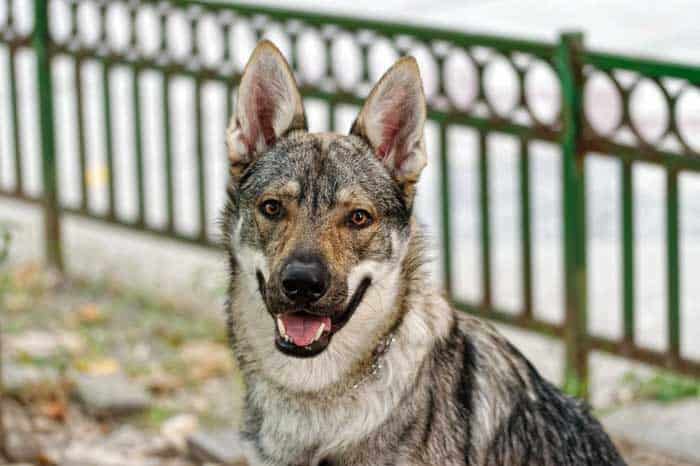
The AKC says the Swedish Vallhund comes naturally with no tail (bobtail), a stub tail or a full curl tail. All three occur within one breed.
Australian Stumpy Tail Cattle Dog
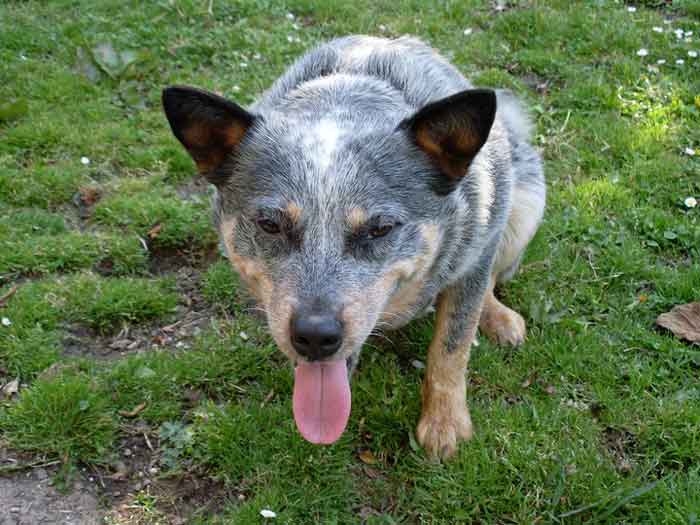
According to the AKC, it is not an Australian Cattle Dog with a docked tail. It is a natural bobtail breed. The page adds that some puppies are born with long tails.
Boston Terrier
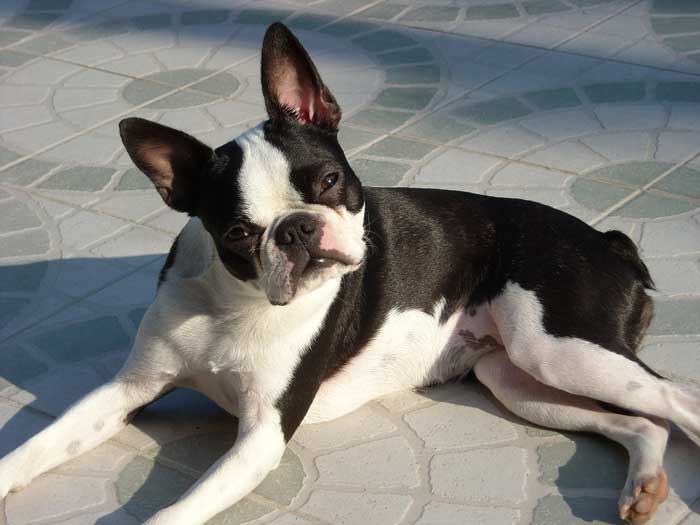
Old English Sheepdog
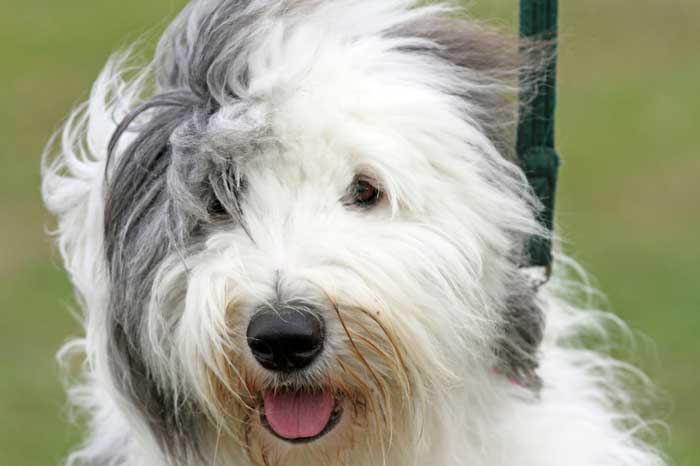
The AKC notes that the breed is often known as the Bobtail.
Pembroke Welsh Corgi
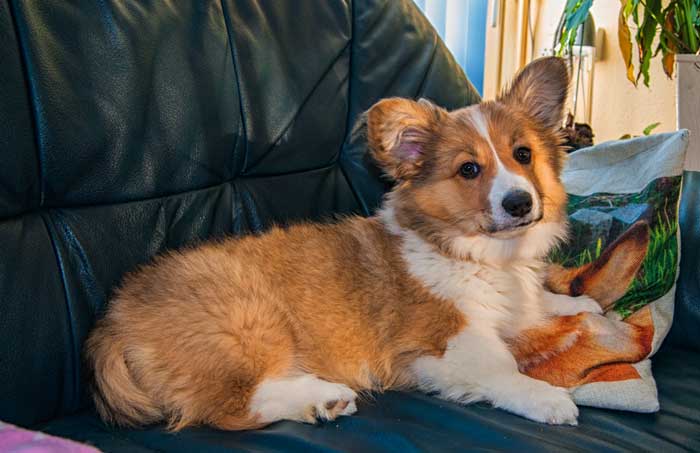
This is the breed in which the C189G mutation was first described, according to the Helsinki study above.
Australian Shepherd
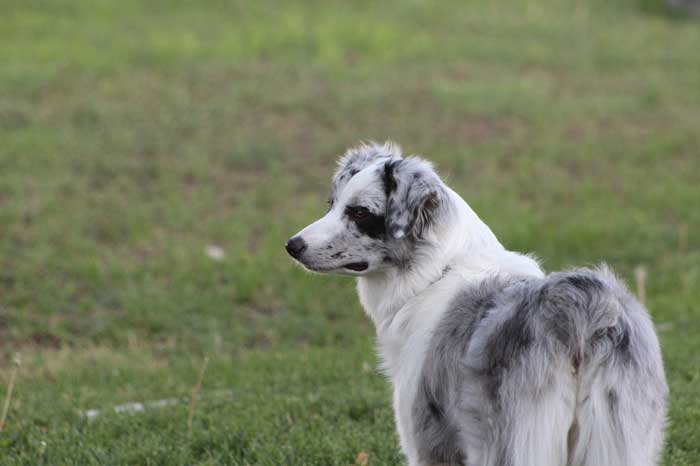
A different case. The AKC explains that Australian Shepherds do not have docked tails for cosmetic reasons: on farms and ranches the tails were docked to avoid injury or to identify the dog as working stock.
What to Check if You Are Buying a Puppy
The breed name is not enough to know what an individual dog’s tail looks like: the AKC itself acknowledges litters with short and long tails in the Swedish Vallhund and the Stumpy Tail. Ask the breeder whether the tail is natural or docked, and ask to see the parents.
Another breed trait: dog jowls.
Sources
- Hytönen et al., Journal of Heredity, 2009, Ancestral T-box mutation is present in many, but not all, short-tailed dog breeds
- American Kennel Club breed pages: Swedish Vallhund, Australian Stumpy Tail Cattle Dog, Boston Terrier, Old English Sheepdog, Australian Shepherd
Frequently asked questions
Which dog breeds are born without a tail?
Thirteen breeds carry the natural bobtail, among them the Australian Shepherd, Australian Stumpy Tail Cattle Dog, Boston Terrier, Brittany Spaniel, English and French Bulldog, Jack Russell Terrier, King Charles Spaniel, Miniature Schnauzer, Old English Sheepdog and Pembroke Welsh Corgi.
What is the difference between a bobtail and a docked tail?
A bobtail is genetic and there from birth. Docking is the amputation of part of the tail a few days after the puppy is born, so a short tail on a breed that is not a natural bobtail almost always means surgery.
Why was tail docking done in the first place?
The old arguments ran from warding off rabies to making a dog faster. For hunters, terriers and herders the honest reason was avoiding torn or infected tails out in the field. Today it is close to purely cosmetic, which is why more countries keep restricting it.
Google lets you pick which sites come up first in your own results.