

A quick note: a few links below are affiliate links. Buy through one and we may earn a small commission. It never costs you more, and we only point to gear we'd actually put in front of our own dogs. As an Amazon Associate I earn from qualifying purchases.
Quick answer
A Corgi can work in an apartment, but it is the trickiest of the small breeds people assume are easy. Under 30 pounds and built like a couch dog, it is in fact a herding breed: it barks at everything that moves, needs real daily exercise plus mental work, and sheds heavily. Give it a job and a routine and it settles; leave it bored in a flat and the whole building hears about it.
People assume Corgis make easy apartment dogs. They’re short, they’re under 30 pounds, and they look like they’d be happy on a couch all day.
That assumption gets a lot of first-time owners in trouble. A Corgi is a herding dog in a small frame, and living with one in a flat takes more planning than most folks expect.
Welsh Corgis can be good apartment dogs. But you need to understand their personality, their traits, and their needs first, then be honest about whether you can give them the time and effort it takes to keep one happy and healthy.
Here’s what that actually involves.
Types of Corgis
There are two Corgis, not one. The Pembroke Welsh Corgi and the Cardigan Welsh Corgi are counted as separate breeds because they descend from different ancestors. They look alike thanks to crossbreeding back in the 19th century, but they were never the same dog.
The quickest way to tell them apart is the tail. The Cardigan keeps a long, full tail. The Pembroke has a stub, or sometimes none at all.
The ears differ too. A Cardigan’s ears are large and rounded at the tips. A Pembroke’s are smaller and come to a point.
Personality Traits and Temperament
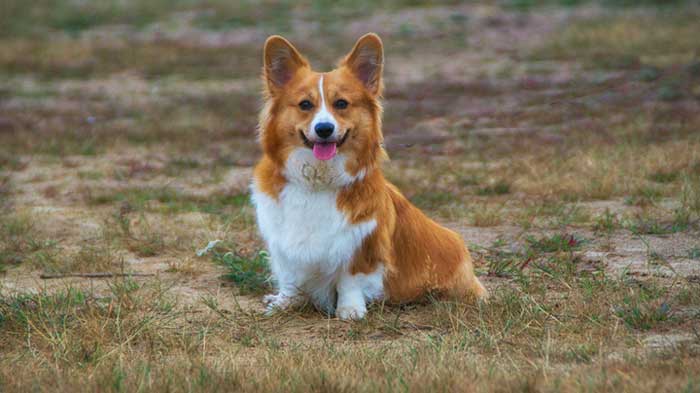
Corgis were bred to move cattle. That working drive never left them, and you’ll feel it every single day.
Temperament varies from dog to dog, of course. As a rule, though, these are cheerful animals: playful, funny, sharp, and deeply loyal.
They hand out trust and affection quickly. A Corgi pays attention to you and genuinely wants to please, which is part of what makes them so easy to bond with.
They also want to be in the middle of everything. Whatever the family is doing, the Corgi expects an invitation. Most have a real sense of humor and seem to enjoy making people laugh.
Then there’s the other side. Corgis are independent, clever, and flat-out stubborn. They like doing things their own way, on their own schedule, and a Corgi that hasn’t been trained well will happily set the house rules itself. Ignore one and it gets even more headstrong.
They carry themselves like a much bigger dog. People often call them a big dog packed into a little body, and once you’ve met one you’ll see why.
They’re protective and alert to a fault. Your Corgi will clock the smallest change in the room, a new sound, a shadow moving in the hall, and announce it with that loud, distinctive bark. Nothing slips past them.
One more thing. They’re warm with people they know and noticeably reserved with strangers until they’ve decided you’re alright.
Are Corgis Good With Kids?
It depends on the kids and the household. Corgis are playful, protective, and loyal, but they’re also bossy and used to running the show.
Remember what they were built for. A herding Corgi nipped at the heels of cattle and barked to keep the line moving. That instinct comes home with them, and small children often end up on the receiving end of the nipping and the herding.
Anything that runs sets the instinct off. To a Corgi, a sprinting toddler and a stray sheep register the same way.
It isn’t aggression. The dog is doing the job it was bred to do, the ordinary chase-and-gather behavior of a herding breed. Knowing that doesn’t make it less of a problem in a small home.
So for all their fun, Corgis usually aren’t the best pick for families with very young children.
Can Corgis Be Left Alone?
Not for long. Corgis dislike solitude and slide into separation anxiety fairly easily.
This is a smart breed, and smart dogs get bored. A bored, under-stimulated Corgi turns destructive, and it can become a compulsive barker too. In an apartment, with shared walls, that second habit is the one that gets you complaints.
A good workout before you head out makes a real difference. A tired Corgi settles and can hold it together for a few hours.
Leaving something to chew on or solve helps too. Puzzle toys keep the brain busy and buy you time. A Kong stuffed and frozen the night before is one of the cheapest sanity-savers you’ll find.
Factor in the bladder, as well. A rough guide for puppies is their age in months plus one, in hours. So a four-month-old can usually hold it about five hours, no more.
For an adult, six hours is a sensible ceiling and eight should be the hard limit. Push past that regularly and you risk real physical problems, not just accidents on the floor.
Are Corgis Hard to Train?
Socialization and training matter for every dog, and a Corgi is no exception. Start both early.
Here’s the catch. They’re stubborn, strong-willed, and convinced they should be in charge, which can make the early sessions feel like a negotiation.
But that same intelligence cuts the other way. Stay patient, keep it positive, reward what you want, and a Corgi learns fast. Harsh corrections backfire; they just dig in harder.
The thing that matters most is setting yourself as the leader from day one. Once a Corgi trusts that you’re calling the shots, training gets easier and the dog often starts to enjoy it.
Basic obedience isn’t enough for this breed. Aim for advanced work, and agility if you can swing it. Don’t let the short legs fool you. Corgis are quick, and most take to agility like they were waiting for someone to ask.
Keep it going for life, too. Reinforce the rules consistently. Let things slide and a Corgi will pick up habits that are a real pain to undo later.
Do Corgi Dogs Bark a Lot?
Yes. This is a vocal breed, and you should go in expecting it.
They make excellent watchdogs precisely because they’re so alert. A Corgi barks to flag anything it reads as new or threatening. The downside is obvious: the bar for “threatening” is low, and one can bark on and on until you finally look up.
Boredom sets them off when they’re alone too long. So does play. Sometimes the barking is just excitement.
And again, the herding wiring plays a part. Corgis were bred to drive livestock by nipping heels and barking, so movement triggers them: kids running, a cyclist out the window, anyone they’d like to get moving or get out of the way.
Left unchecked from puppyhood, that barking becomes one of the hardest things to live with, especially indoors.
Energy Level

Corgis run hot. They need a solid dose of daily exercise just to stay healthy, never mind happy.
Energy levels do vary between dogs. Even so, every Corgi needs several walks a day, some real playtime, and a few training sessions worked into the routine.
Some need far more. There are Corgis that seem to run on a different battery, and the ones under two years old can feel like they never stop.
The mental side counts as much as the physical. They want a job. This is where the advanced obedience and agility work earns its keep, tiring the brain along with the legs.
They adapt well to where they live. A Corgi can do just fine in an apartment, provided it gets outside every day to move and play.
Give one a task and you’ll see the happiest version of the dog. Idle is not their natural state.
Grooming Needs
Grooming a Corgi is easy, with one big asterisk. The short, weatherproof double coat doesn’t need much fuss to look good, and these are naturally clean dogs. A bath every three to four months is usually plenty.
The asterisk is the shedding. Corgis shed every day, and twice a year they blow their coat and shed a great deal more. Brush daily to pull the loose hair before it settles into every corner of your flat. Skip a few days during a coat blow and you’ll understand the warning.
Check the ears on a regular schedule, as well. You’re looking for clean, healthy ears with no redness, odor, or other signs of irritation or infection.
Are Corgis Good Apartment Dogs?
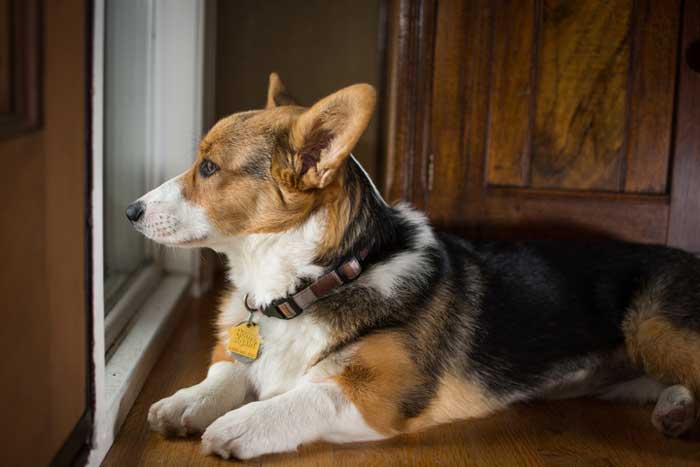
They can be. Welsh Corgis adapt well to their surroundings, and a small space isn’t a dealbreaker on its own.
This is not a beginner’s breed, though. Corgis are rarely the right first dog.
Bringing one home is a commitment for the long haul, the same as any pet. Raising a healthy, happy Corgi costs you time, energy, and steady effort, year after year.
To decide whether a Corgi fits your life, weigh the points below before you commit.
Physical and Mental Activity Needs
Plenty of people see a short dog and assume low exercise needs. Wrong read. As I said earlier, a Corgi is high energy stuffed into a low body.
They need to move, a lot, to burn that energy off and stay both fit and level-headed.
This is a breed that has to have something to do. A bored Corgi invents its own job, and the job it picks is almost always one you won’t like: chewing the baseboards, barking at the door, howling at nothing.
Daily exercise and play aren’t optional, then. They’re how you keep all that drive from turning into bad behavior.
How much, exactly, depends on the individual dog.
As a baseline, though, a couple of quick walks and a little fetch won’t cut it. This is an active working breed, and it needs more than the bare minimum.
Shoot for two outings of about 45 minutes, one morning and one afternoon, and make them count. Brisk jogging, long walks, the kind of session that leaves the dog genuinely tired. Off-leash running, time with other dogs, and a hard game of fetch all help.
Keep the age in mind. A Corgi between 6 and 18 months has even more to burn than an adult and will let you know.
The flip side: puppies under 6 months shouldn’t be pushed into hard exercise. Their joints are still forming, and they get enough simply playing with people and other dogs.
Training sessions are some of the best exercise there is, body and mind together. One or two ten-minute blocks a day works well and fits around a job.
Puzzle and food-dispensing toys round it out. Corgis like working for their dinner, so a food-stuffed Kong can keep one occupied and thinking for a good stretch.
Barking
The barking is the single biggest hurdle to apartment life with a Corgi. They bark often, they bark loudly, and they’ll sometimes keep at it for a while. With neighbors a wall away, that adds up to friction fast.
They’re watchdogs by nature, tuned in to everything around them, so anything odd gets a bark. Play and boredom set them off too.
Be realistic about what training does here. With consistent work, enough exercise, and good socialization, you can turn the volume down. You won’t switch it off entirely.
Early socialization is the lever that helps most. It teaches a Corgi to trust new people and animals instead of barking at everyone who comes near, and it builds a sense of what’s normal and what’s actually worth sounding off about.
Shedding
Corgis are among the heaviest shedders out there. The hair comes off year-round.
Live with one and you’ll find fur everywhere, on the rug, the sofa, the backs of your dark trousers on the way out the door.
Daily brushing is the price of keeping it under control. There’s no shortcut around it.
A weekly bath can help during heavy stretches. It loosens the dead coat so a good brush right after pulls far more out.
Diet plays a role as well. Solid nutrition keeps the coat healthier and the shedding closer to normal.
Final Thoughts
The dog that fits your life is the right one, and that’s a personal calculation, not a ranking.
A Corgi’s personality is hard to beat. They’re loyal, funny companions, and they make the day-to-day more fun than it has any right to be.
The trade-off is real, though. The exercise demands, the barking, and the constant shedding are exactly the things that wear on apartment owners.
Where you live and how big it is do matter when you adopt. What matters more is how much time and effort you’re truly ready to put in.
A Corgi can absolutely be a good apartment dog, on one condition: you commit the time and energy its needs require.
Cover the physical and mental exercise, give the attention and steady training, and a Corgi will thrive whether home is Buckingham Palace, a house, or a third-floor walk-up.
Ask anyone who owns one. The work is real, and they’ll tell you what you get back is worth every minute of it.
Resources
- Pembroke Welsh Corgi Dog Breed by The American Kennel Club
- Cardigan Welsh Corgi Dog Breed by The American Kennel Club
Frequently asked questions
Can big dogs really live in an apartment?
Yes. Energy level matters far more than size. A calm Great Dane settles into a flat better than a wound-up terrier, as long as it gets a proper walk twice a day.
Which dog breeds bark the least in apartments?
Greyhounds, Basenjis, Bulldogs and Cavaliers are among the quietest. Any dog can learn to be calm, but these simply start at a lower volume.
How much exercise does an apartment dog need?
Most do well on 30 to 60 minutes a day split into two walks, plus a little indoor play. Cut that short and the barking and chewing usually start.
Google lets you pick which sites come up first in your own results.