

A quick note: a few links below are affiliate links. Buy through one and we may earn a small commission. It never costs you more, and we only point to gear we'd actually put in front of our own dogs. As an Amazon Associate I earn from qualifying purchases.
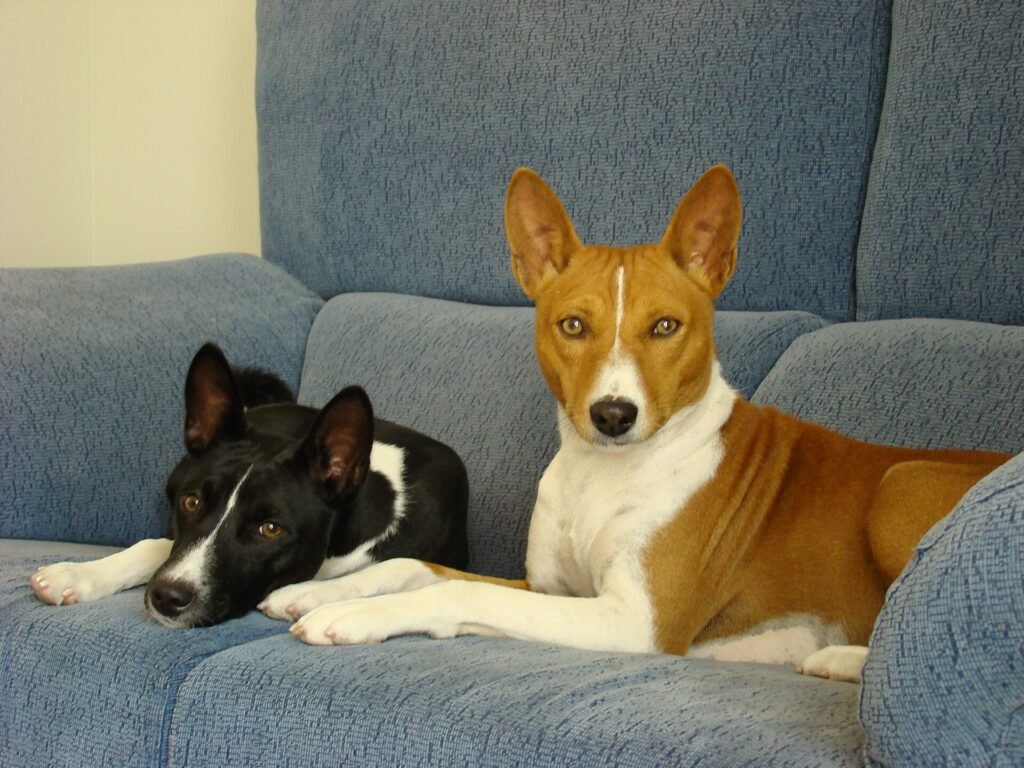
The Basenji comes from the Congo region of Africa, where local hunters bred it to flush game and run down small prey. It is one of the oldest domesticated dog breeds we know of, and you can see that ancient, almost wild wiring in how it behaves today.
You don’t see them often. People who own one tend to fall hard for the breed, and Basenji folks talk about their dogs the way other people talk about a favorite old car: stubborn, quirky, impossible to replace.
So, are Basenjis good apartment dogs?
Basenjis are great apartment dogs and wonderful pets. They are small, quiet dogs that need very little maintenance. They are playful, fun, and high-spirited dogs while being loving and protective of their family. But they are not easy dogs.
They ask a lot of you. A Basenji is stubborn, and it wants an owner who stays calm but holds the line on house rules every single day. On top of that, this is a high-drive dog. Skip the daily exercise and you will hear about it, usually through your shoes or your baseboards.
That’s the honest part. A Basenji can be a fantastic pet, but it is not the right dog for everyone, and pretending otherwise just leads to a frustrated owner and a bored dog.
Before you bring one home, a few things are worth thinking through, so a Basenji can actually live a full, healthy life inside an apartment.
Basenji Temperament and Personality Traits

This is a smart, independent dog that keeps its guard up around strangers. Aloof with people it doesn’t know, sure. With its own family, though, the Basenji is deeply affectionate, and it often picks one person to bond with most.
They are playful and genuinely fun to be around. You can fill hours with games, training puzzles, and little adventures, indoors and out, and a Basenji will usually be game for all of it.
One exception: rain. If it’s wet outside, good luck. Basenjis hate getting soaked and will plant their feet at the door like you’re asking them to walk into a lake.
They make alert little watchdogs too, quick to flag anything off and ready to stand up for their people and their space.
What they will not tolerate is being treated like yard furniture. A Basenji left alone in a garden or on a patio, day after day, is a recipe for trouble. They need attention and real time with you.
Inside, with the family, part of whatever is going on. That’s where a Basenji wants to be.
Are Basenjis Good Family Dogs?
Yes, with the right family. They bond tightly and stay protective, and the small, low-shedding, playful package makes them popular with people who want a dog that fits a busy household.
Here’s the catch a lot of owners miss. Basenjis are not patient with toddlers. They can read a small child as a littermate to boss around, and that pushy correcting behavior can turn into nips and tense moments fast.
Older kids are a much better match. A Basenji’s energy holds up to a long play session, and the two of them will usually wear each other out and crash on the floor together.
Can Basenjis be Left Alone?
Not for long stretches. Basenjis are pack animals at heart, and they handle solitude poorly. Leave one alone too much and separation anxiety tends to creep in.
They do get on well with other dogs, so a lot of owners end up with two Basenjis specifically so neither one is stuck home solo.
The smarts cut both ways. A Basenji that isn’t worked, mentally and physically, gets bored, and a bored Basenji goes looking for a job. Usually one you didn’t assign.
Often that job is chewing. They will work their way through cushions, cords, shoes, drywall corners, whatever holds their interest.
They are also legendary escape artists. A Basenji that is alone, unsupervised, and locked onto a squirrel will scale a fence or slip a door before you finish your coffee. Almost nothing talks one out of it.
Do Basenji Dogs Bark?
Barely, and not in the way you’d expect. Quiet compared to most breeds, yes, but quiet is not the same as silent.
People call the Basenji the “African Barkless Dog” because it doesn’t produce a normal bark. The sounds land closer to a coyote or a wolf, oddly enough.
Beyond the usual growls and whines, the Basenji has its own party trick: a yodel. When the dog is wound up or upset, that yodel gets loud, and thin apartment walls will not do you any favors with the neighbors.
The Energy Level of a Basenji

Don’t let the size fool you. At roughly 22 to 24 pounds and around 16 to 17 inches at the shoulder, the Basenji packs a lot of motor into a compact frame.
This is a dog that needs real, regular exercise to stay sound in body and head. Movement isn’t optional with the breed.
Skip it and you pay for it. A Basenji that never burns off its fuel gets restless fast, and restless turns into destruction: chewed furniture, a chewed wall, a dog gone over the fence the second a gate cracks open.
Some Basenjis are satisfied with two solid walks a day. Others want more, the kind of session that gets them sprinting and panting.
They slot in beautifully with active people. If you jog, run, or hike on weekends, a Basenji will happily make itself your training partner.
Grooming Needs of a Basenji

Here’s where the breed gives you a break. The Basenji is a genuine low maintenance dog. They are fastidious, they shed very little, and they famously clean themselves like cats.
That short, slick coat needs almost nothing from you. A gentle once-over with a brush now and then keeps it looking healthy. Done.
They also skip the usual “dog smell,” so baths can wait until your Basenji actually rolls in something it shouldn’t have.
Nails are the one thing to stay on top of, especially for apartment dogs that don’t wear them down on pavement. Long nails throw off the gait and start to hurt, so trim them on a schedule, every few weeks for most dogs.
The Challenge of Training a Basenji

Smart, stubborn, and a little mischievous. That combination is exactly why you start training a Basenji puppy the day it walks through your door.
People rank the breed among the hardest dogs to train, and there’s truth to it. A Basenji weighs your request against whether obeying actually benefits the Basenji. If the math doesn’t add up for the dog, it tunes you out.
So they need an owner who is calm, firm, and consistent. Go passive or wishy-washy and the Basenji simply promotes itself to pack leader, gets demanding, and starts inventing behavior problems.
None of that means training is hopeless. With patience, positive reinforcement, and a bit of creativity, Basenjis learn well. The trick is making the dog feel like obeying you was its own brilliant idea.
Keep it consistent and kind. Get heavy-handed with a Basenji and it digs in harder, shuts down, and obeys you even less than before.
Basenjis and Socialization

Basenjis guard their family and stay wary of new people. That’s baked into the breed.
Which is exactly why early socialization matters so much. Get a puppy out into the world: different people, traffic noise, busy sidewalks, the works, while it’s still young and open to it.
Do that, and you raise a steadier dog, one that’s less jumpy around strangers and better at rolling with whatever a new situation throws at it.
One honest warning. Even a well-socialized Basenji usually does not mix with cats or small pets. The prey drive is strong, and a darting cat, rabbit, or hamster reads as something to chase, not a friend.
Tips for Raising a Basenji in an Apartment

1. Start Training as Soon as Possible
As covered above, Basenjis are bright, independent, and stubborn in equal measure.
The single best thing you can do is start training early. Every week you wait makes the job harder.
Get the basic obedience cues in place and lay out the house rules in plain, repeatable terms the dog can actually follow.
Yes, the breed is tough to train. With patience and steady repetition, you still get there.
If you’re stuck, a few obedience classes with a trainer who has handled stubborn breeds can save you months of frustration.
2. Be the Leader of the Pack
The pack instinct runs deep in this breed. Rank matters to a Basenji.
Set yourself up as the leader from day one and stay consistent about it. Drop your guard with a Basenji and it claims the top spot the first chance it gets.
These are free thinkers, and they can be sneaky operators. Once a Basenji decides there’s no real authority in the house, reining it back in gets genuinely hard.
What works is a calm leader who keeps the house rules steady. When you’re clear and consistent about what you expect, the dog relaxes. A Basenji that knows where it stands is a more secure, easier dog to live with.
3. Provide Early Socialization
Like any dog, a Basenji that meets the world early grows up less shy and less suspicious. Those first months shape a confident adult with decent social skills around both people and other dogs.
A good dog daycare is one of the easiest ways to get a puppy mixing with other dogs. They pick up canine manners there, the reading of body language and play signals, and they get to burn off that bottomless energy in the process.
Pick the daycare carefully. You want a place that groups dogs by size, age, and temperament instead of tossing everyone into one chaotic pile.
One thing to hold off on: don’t let a puppy mingle with strange dogs until its vaccinations are finished. That window matters.
Beyond daycare, take your Basenji to dog-friendly parks, cafes, and shops. The more people and settings it handles young, the smoother it gets in new social situations later.
4. Keep Him Mentally Stimulated
A Basenji’s brain needs a job as much as its body does. Leave that mind idle and the boredom shows up as behavior problems, fast.
New places help a ton here. Rotating in fresh routes and fresh experiences feeds that huge curiosity and gives the dog something real to chew on, mentally.
Obedience and agility classes are another good outlet, working the brain and the body at the same time.
For the hours at home, stock up on toys to keep them busy. Basenjis love to chew, so durable chew toys give that urge somewhere productive to go.
Puzzle toys earn their keep too. A good one can hold a Basenji’s focus for a long stretch while you’re busy or out.
Swap the toys around regularly. Leave the same ones out forever and the novelty wears off, then so does the dog’s interest.
5. Keep up With His Physical Activity
This is a high-energy dog, full stop. It needs regular physical activity to stay healthy in body and mind.
Daily vigorous exercise is the baseline, not a bonus. A Basenji has fuel to burn and it expects an outlet.
That might look like two long walks capped off with a hard play session, or a couple of jogging or running outings during the week.
One rule worth treating as non-negotiable: never let a Basenji off-leash in open space. Spot a squirrel and it’s gone, deaf to your voice, locked onto the chase.
Want to let yours run flat out? Find a fully fenced, enclosed area first. That’s the only safe way to give a Basenji true off-leash freedom.
6. Don’t Leave Him Alone for Long
Long days home alone don’t suit this breed. A Basenji wants to be near its family and in the middle of whatever the household is doing.
When you do have to head out, tire the dog first. A solid bout of hard exercise before you leave usually buys you a Basenji that sleeps through your absence instead of redecorating the place.
Leaving a few engaging toys out helps too, giving the dog something to do and chew on while it waits for you to get back.
Final Thoughts
So, to circle back to the real question: are Basenjis good apartment dogs? Yes. They aren’t an easy breed to raise, but they fit apartment life well.
They’re small, remarkably clean, and quiet by dog standards. They’re also protective and fiercely devoted to the people they live with.
Just go in clear-eyed. Raising a Basenji in an apartment only works if you can genuinely meet its exercise needs and bring the patience and persistence training demands. Cut corners on either and it falls apart.
A dog is a long-term commitment, and a Basenji often lives 13 to 14 years. That’s a long partnership to sign up for.
Hold up your end, though, and any Basenji owner will tell you it pays off. You get a sharp, loyal, deeply affectionate companion, and the bond you build with one tends to stick with you long after the chewed shoes are forgotten.
Resources
- Basenji. Dog Breed Information by the AKC
- Understanding Basenjis – Your Type of Dog? by the BCOA.
Frequently asked questions
Can big dogs really live in an apartment?
Yes. Energy level matters far more than size. A calm Great Dane settles into a flat better than a wound-up terrier, as long as it gets a proper walk twice a day.
Which dog breeds bark the least in apartments?
Greyhounds, Basenjis, Bulldogs and Cavaliers are among the quietest. Any dog can learn to be calm, but these simply start at a lower volume.
How much exercise does an apartment dog need?
Most do well on 30 to 60 minutes a day split into two walks, plus a little indoor play. Cut that short and the barking and chewing usually start.
Google lets you pick which sites come up first in your own results.