

A quick note: a few links below are affiliate links. Buy through one and we may earn a small commission. It never costs you more, and we only point to gear we'd actually put in front of our own dogs. As an Amazon Associate I earn from qualifying purchases.
Quick answer
The quietest apartment breeds are the Basenji, which yodels rather than barks, plus the Bolognese, Cavalier King Charles Spaniel, Bulldog, French Bulldog, Japanese Chin, Pug, Shar Pei, Greyhound, Great Dane, Bernese Mountain Dog, Bullmastiff, Newfoundland and Rhodesian Ridgeback. You can train almost any dog to pipe down, but training fights instinct and instinct wins on the bad days. Pick a breed wired quiet and your neighbours never learn your name.
A dog that barks at every door slam is the usual dealbreaker in an apartment, because the neighbors hear it before you do. This guide lists fifteen breeds that suit apartment life and says plainly which of them the American Kennel Club (AKC) describes as quiet. For the rest, the AKC breed page does not make a claim about barking, so we describe them by size, exercise, grooming and health, which is what the page does cover.
Short answer: the AKC breed pages describe four of these as quiet or rarely barking (Basenji, French Bulldog, Whippet and Japanese Chin). The other eleven are included for size, calm temperament or adaptability, and the AKC does not rate their barking on the pages we read.
Every figure below is from the AKC breed page for that dog. Height and weight are adult ranges. For a shorter list built around low upkeep, see low-maintenance dogs for apartments.
1. Basenji
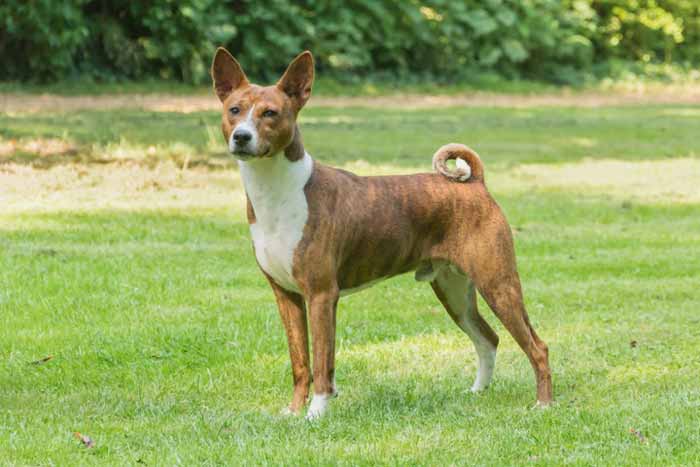
The AKC says the Basenji “does not bark but does make yodeling noises” and calls it the “barkless dog.” Adults stand about 17 inches (male) and 16 inches (female) and weigh about 24 and 22 pounds, with a life expectancy of 13 to 14 years.
Quiet is not the same as low effort. The AKC says the breed needs a lot of regular exercise and has a hunting instinct, so it should never be let loose. Training sessions should be short, 5 to 10 minutes. On the plus side, the AKC says Basenjis groom themselves like cats and lack a doggy odor. Breeders screen for hypothyroidism, hip dysplasia and Fanconi syndrome, among other tests.
Our full guide: are Basenjis good apartment dogs.
2. Bernese Mountain Dog
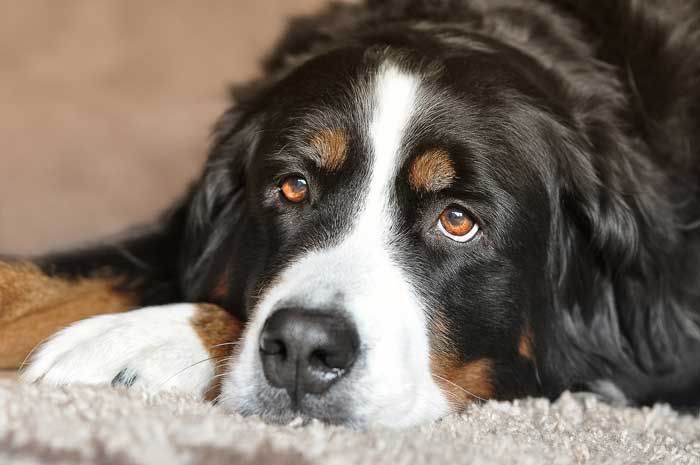
A large dog: 25 to 27.5 inches and 80 to 115 pounds for males, 23 to 26 inches and 70 to 95 pounds for females. The AKC calls Berners generally placid, and says they need at least half an hour of moderate exercise every day.
The AKC does not comment on barking. It does say they shed a fair amount, with daily brushing in shedding season, and that undesirable behaviors can result if a Berner is regularly left alone for long periods. Large breeds are susceptible to bloat, so owners should learn the signs.
3. Bolognese
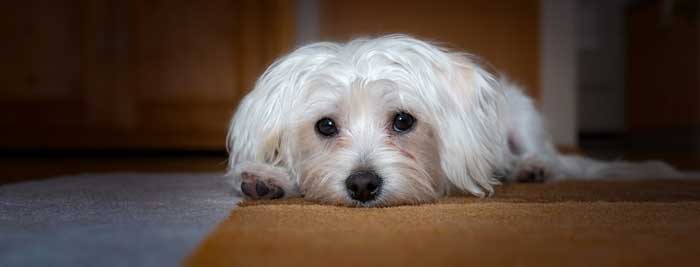
A small dog at 10 to 12 inches and 6 to 10 pounds. The AKC calls it calm and says Bolognese “would make great apartment dogs” as long as they get a moderate exercise schedule. It describes the coat as non-shedding.
The AKC warns that the breed is prone to separation anxiety and is ill-suited to people with a 9-to-5 workday. Luxating patella is a known health concern and teeth need regular brushing. No barking claim is made on the page.
4. Bulldog
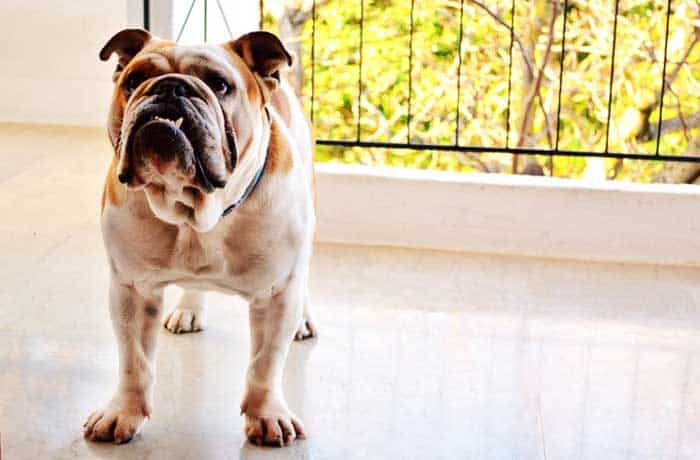
The AKC calls the Bulldog docile and adaptable to town or country. Adults are 14 to 15 inches and about 40 to 50 pounds. They need regular, moderate exercise, and the AKC says very warm days are best spent in air-conditioning because the short muzzle makes breathing hard in heat and humidity.
Facial wrinkles need regular cleaning and drying, the AKC says, and the nails trimming every two weeks or so. Stairs and pools are safety hazards for the breed. The page does not rate barking.
More: are Bulldogs good apartment dogs.
5. Bullmastiff
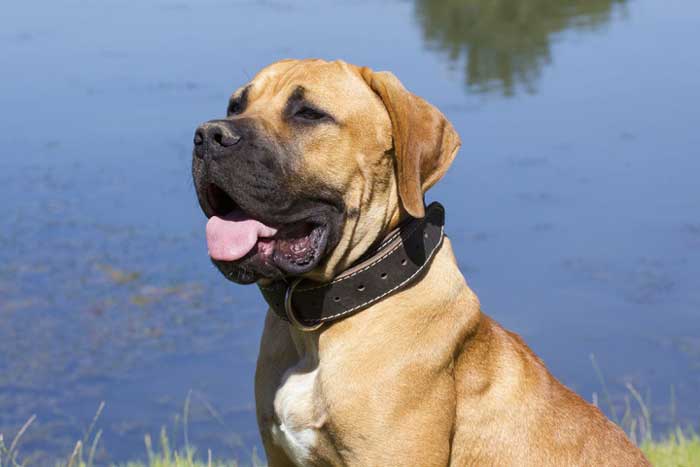
A big dog: 25 to 27 inches and 110 to 130 pounds for males, 24 to 26 inches and 100 to 120 pounds for females. The AKC says Bullmastiffs enjoy daily exercise, that some are more sedentary and others very active, and that they are great walking companions but not ideal running partners.
The AKC says the breed can be quite strong willed, so early training and socialization are critical, begun while the puppy is small enough to control. It adds that owners should know the signs of bloat. No barking claim is made.
6. Cavalier King Charles Spaniel
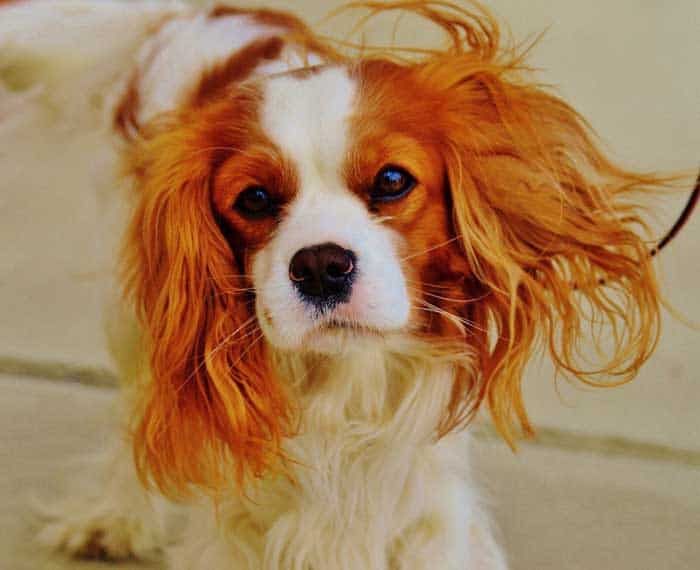
A small, adaptable dog at 12 to 13 inches and 13 to 18 pounds. The AKC lists mitral valve disease, syringomyelia, patella luxation, hip dysplasia and eye conditions among its health concerns, and says the ears should be checked weekly. The page says Cavaliers should not be off leash.
The AKC page does not give a barking rating, so we do not call this breed quiet.
7. French Bulldog
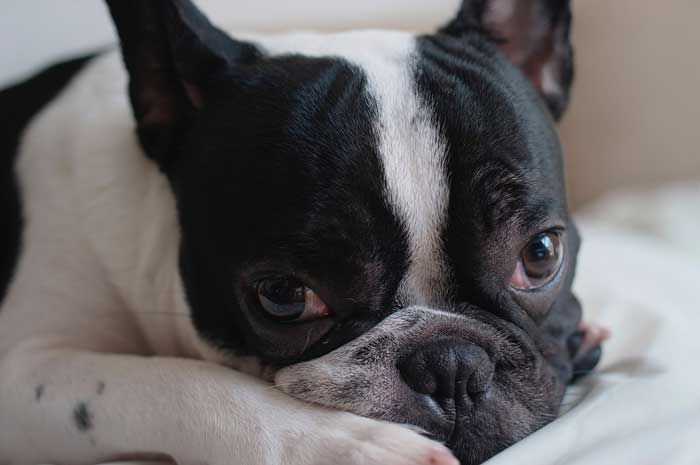
The AKC says Frenchies “don’t bark much, but their alertness makes them excellent watchdogs.” They stand 11 to 13 inches, weigh under 28 pounds and live 10 to 12 years. A short walk or outdoor play session each day should be enough exercise.
As a flat-faced breed they are prone to breathing problems and should not exert themselves in hot or humid weather. They cannot swim, so never leave one unattended near a tub or pool. The AKC adds that they are prone to obesity, and facial folds should be kept clean and dry.
More: are French Bulldogs good apartment dogs.
8. Great Dane
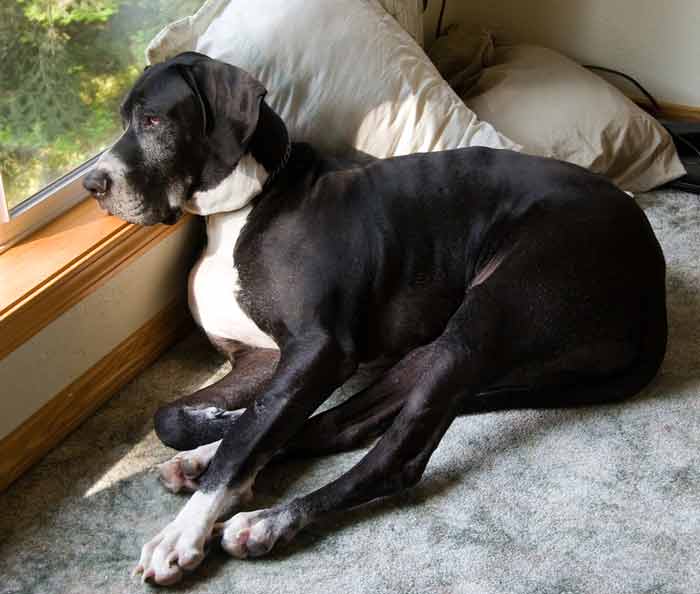
The biggest dog on the list: 30 to 32 inches and 140 to 175 pounds for males, 28 to 30 inches and 110 to 140 pounds for females. The AKC says Danes may seem sedate but need daily exercise, and that a brisk walk two or three times a day can be enough.
Bloat is the number-one killer of Danes, per the AKC, and many owners consider a preventive gastropexy surgery. Short coat, weekly brushing. No barking claim is made, and the AKC notes that Danes are alert home guardians.
More: are Great Danes good apartment dogs.
9. Greyhound
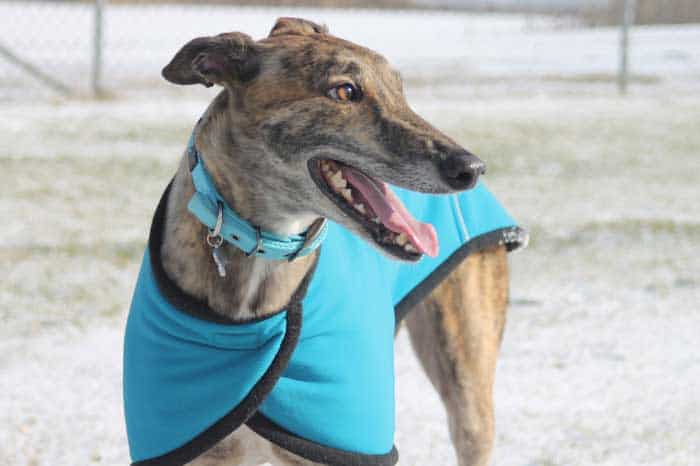
The AKC says the Greyhound is “perfectly happy to lounge around the house all day” but needs a regular schedule of exercise and chances to run full out in a securely fenced area, since it may chase anything it sees as prey. Males are 28 to 30 inches and 65 to 70 pounds, females 27 to 28 inches and 60 to 65 pounds.
Grooming is light: baths and a weekly rubdown with a damp cloth or hound glove. The AKC says to keep training lessons short and gentle. It does not rate barking.
More: are Greyhounds good apartment dogs.
10. Japanese Chin
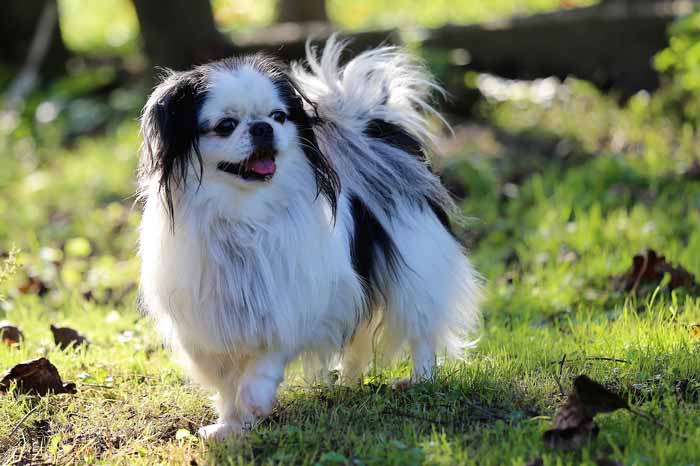
The AKC calls the Japanese Chin “fastidious, graceful, and generally quiet” and “an excellent choice for apartment living.” Adults are 8 to 11 inches and 7 to 11 pounds, with a life expectancy of 10 to 12 years.
The long silky coat needs weekly brushing and a bath about monthly, according to the AKC, and the nails grow fast. Luxating patellas, cataracts, epilepsy and early-onset heart murmurs are on its screening list. Never let a Chin off lead outdoors, the AKC says.
11. Newfoundland
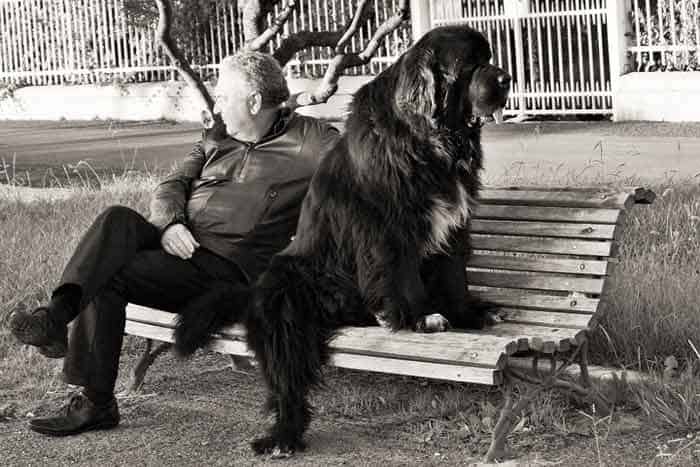
Another giant: 130 to 150 pounds for males and 100 to 120 for females. The AKC says Newfs need at least half an hour of moderate exercise a day, a thorough brushing at least weekly, and daily human contact. Spayed and neutered Newfs shed year-round, per the page.
The breed can experience bloat. The AKC does not rate barking.
More: are Newfoundlands good apartment dogs.
12. Pug
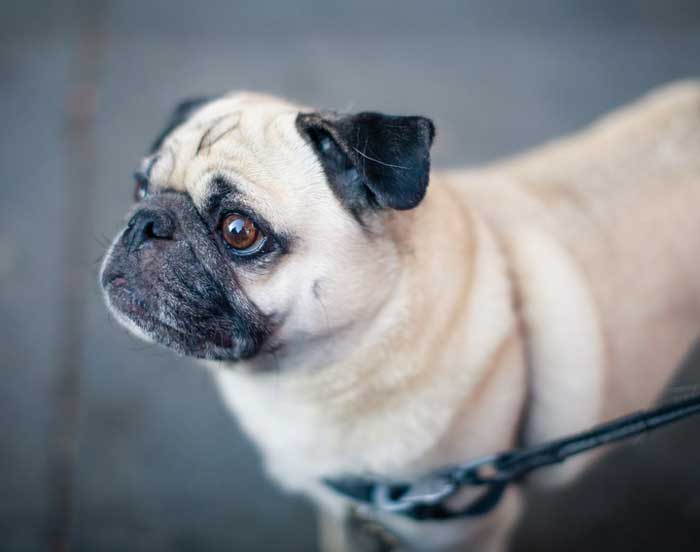
A small dog at 10 to 13 inches and 14 to 18 pounds, living 13 to 15 years. The AKC says a Pug will happily spend the day on the sofa, which with its fondness for food makes obesity a real risk, and that daily moderate exercise keeps it fit. It sheds, with weekly brushing recommended.
As a short-faced breed it tolerates heat poorly and should not do strenuous exercise in warm or humid weather. The AKC says a Pug wants to be with his family and will be unhappy if left alone for long periods. No barking claim is made.
More: are Pugs good apartment dogs.
13. Rhodesian Ridgeback
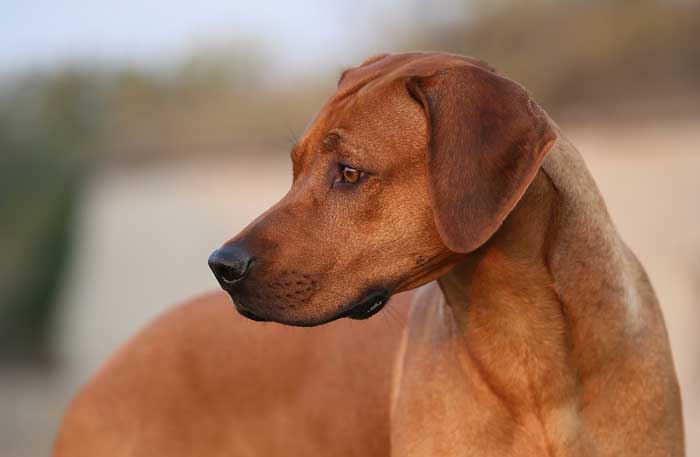
A large hound: 25 to 27 inches and about 85 pounds for males, 24 to 26 inches and about 70 pounds for females. The AKC says Ridgebacks need a moderate amount of exercise and can adapt well to various living situations when given daily long walks and play sessions.
It also warns of independence and a strong prey drive, so they should always be in a safely enclosed area off leash, and that they must be guided with a firm but patient hand from puppyhood. Grooming needs are minimal. No barking claim is made.
14. Shar-Pei
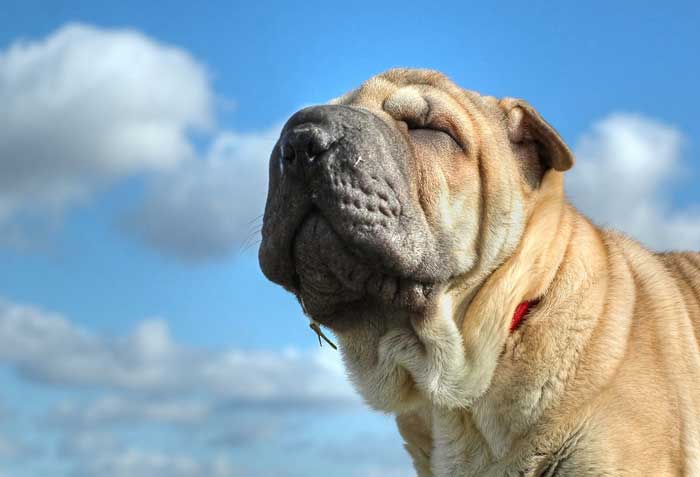
A medium dog at 18 to 20 inches and 45 to 60 pounds, with a life expectancy of 8 to 12 years. The AKC calls the breed very adaptable on exercise: it can do well with a very active owner or in an apartment with a few short walks.
The AKC lists eye disorders as one of the major health concerns, including entropion and glaucoma. It says a bath is needed only about every month, nails weekly, and ears cleaned weekly. It describes the breed as standoffish with strangers and does not rate barking.
15. Whippet
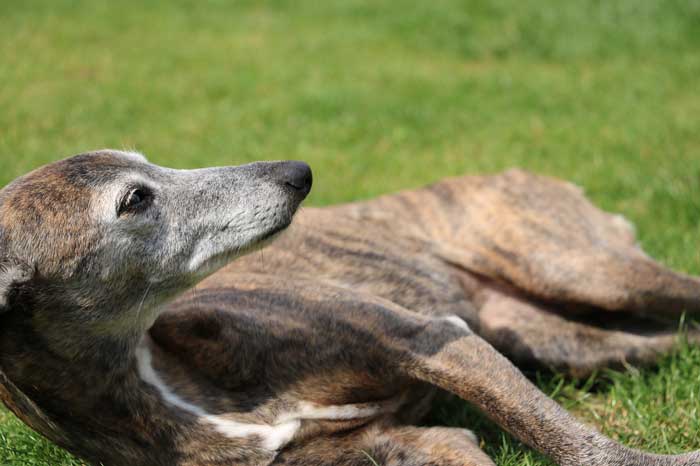
The AKC says Whippets “do not bark unnecessarily” and are calm in the house. Adults are 18 to 22 inches and 25 to 40 pounds. They need exercise such as vigorous retrieving sessions several times a week or regular walks, and should be on lead outside a fenced area.
Grooming is minimal, a weekly brush and the occasional bath. The AKC says the breed is not suited to carrying extra weight, so portion control matters.
Final Thoughts
If barking is your first concern, start with the four breeds the AKC describes as quiet: Basenji, French Bulldog, Whippet and Japanese Chin. Then check the practical side, which differs a lot. A Basenji needs plenty of exercise, a French Bulldog struggles in heat, and a Whippet or Greyhound needs a fenced place to run. For wider lists, see best apartment dogs and lazy dog breeds for apartments, and for breeds to think twice about, worst dogs for apartments.
Resources
- AKC, Basenji
- AKC, Bernese Mountain Dog
- AKC, Bolognese
- AKC, Bulldog
- AKC, Bullmastiff
- AKC, Cavalier King Charles Spaniel
- AKC, French Bulldog
- AKC, Great Dane
- AKC, Greyhound
- AKC, Japanese Chin
- AKC, Newfoundland
- AKC, Pug
- AKC, Rhodesian Ridgeback
- AKC, Chinese Shar-Pei
- AKC, Whippet
Frequently asked questions
Can big dogs really live in an apartment?
Yes. Energy level matters far more than size. A calm Great Dane settles into a flat better than a wound-up terrier, as long as it gets a proper walk twice a day.
Which dog breeds bark the least in apartments?
Greyhounds, Basenjis, Bulldogs and Cavaliers are among the quietest. Any dog can learn to be calm, but these simply start at a lower volume.
How much exercise does an apartment dog need?
Most do well on 30 to 60 minutes a day split into two walks, plus a little indoor play. Cut that short and the barking and chewing usually start.
Google lets you pick which sites come up first in your own results.