

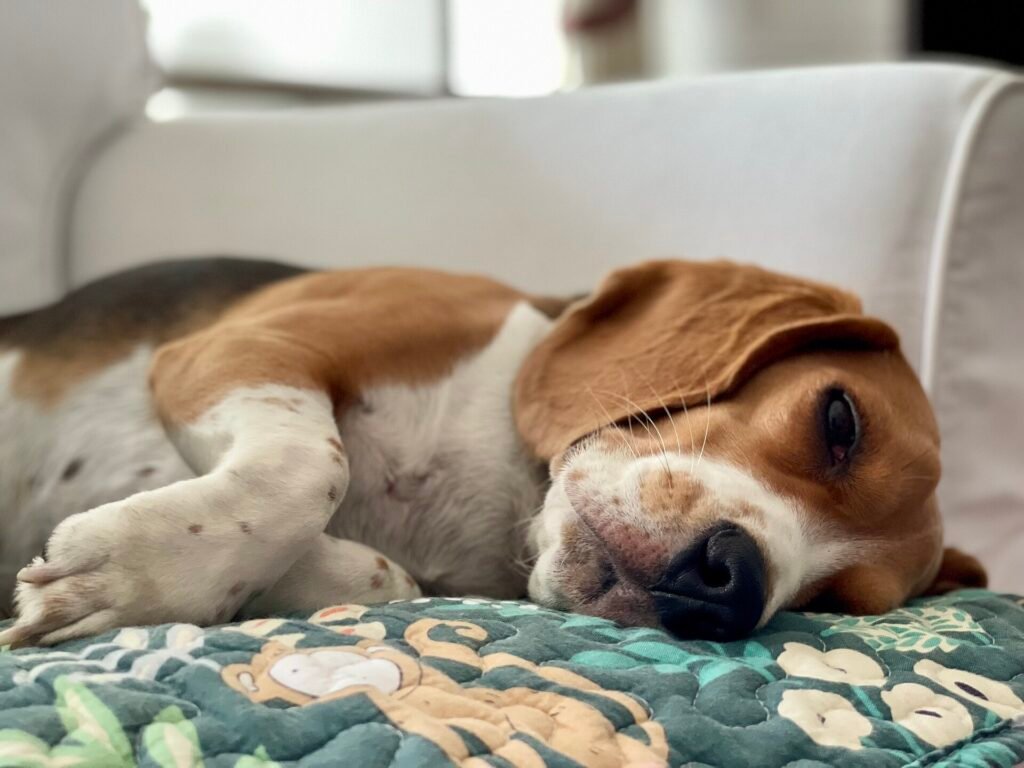
A quick note: a few links below are affiliate links. Buy through one and we may earn a small commission. It never costs you more, and we only point to gear we'd actually put in front of our own dogs. As an Amazon Associate I earn from qualifying purchases.
Apartment life suits lazy dog breeds well. They adapt naturally to smaller spaces and quieter schedules, whether you’re home all day or out most of it. Related reading on the blog: crate training an adult rescue dog in a small apartment.
Keep in mind that even calm, low-energy dogs still need daily exercise and something to keep their minds busy. Physical activity and mental stimulation are what keep any dog healthy and even-tempered over time.
Here is a list of the best lazy dog breeds perfect for apartment life.
1. Pug

The Pug is cheerful, affectionate, and genuinely playful. Gentle by nature, he’s also stubborn and won’t always go along with what you want. What he will do is read your mood and match it, ready to play one minute and perfectly happy to nap beside you the next.
Short on time? Jump straight to the Fresh Patch real-grass pad
Pugs are loyal dogs, but that loyalty comes with expectations. They need attention and affection in return.
The Pug is among the lazy dog breeds that are perfect for apartment life because of his small size and low level of activity.
Puppies are energetic and mischievous, but adult Pugs settle into a rhythm of long naps and the occasional dramatic bid for attention.
Two 15-minute walks a day is enough exercise, with occasional off-leash time in a fenced area when you can arrange it.
One thing to keep in mind: Pugs have a flat muzzle that makes cooling down harder than it is for other dogs. Walk them during cooler parts of the day and give them enough time to fully recover before heading back inside.
2. French Bulldog
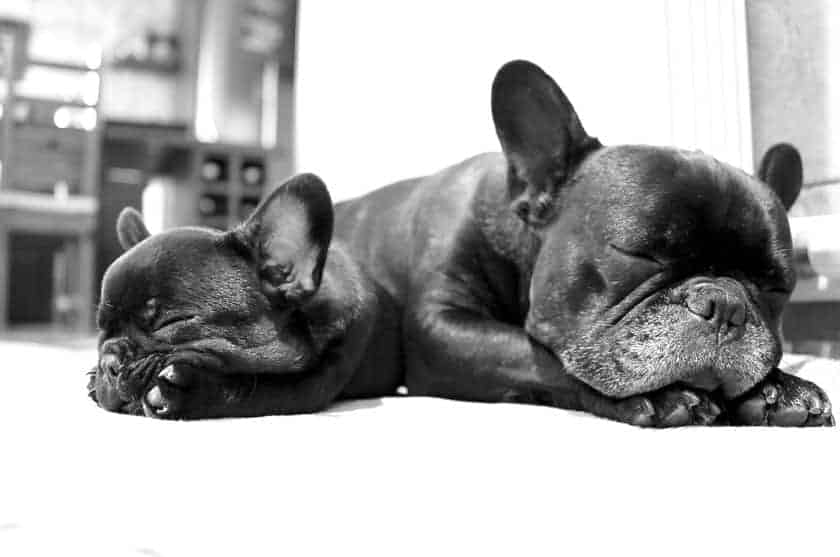
French Bulldogs are excellent companions for apartment dwellers. Friendly, often funny, and calm in a way that makes apartment living genuinely easy.
The Frenchie is a social dog who wants to be wherever you are. He doesn’t handle long stretches alone well at all.
With early socialization, French Bulldogs do well with kids, especially females of the breed. Most get along fine with other pets, though some males can be testy with other male dogs.
The default Frenchie setting is nap mode, though he’ll snap into play mode without much warning.
Two short walks a day keeps him healthy. Stick to cool weather since this breed overheats fast and has the same breathing issues as the Pug.
French Bulldogs adapt easily to apartment routines, which is part of why they’ve become one of the most popular city dogs around.
3. Shih Tzu
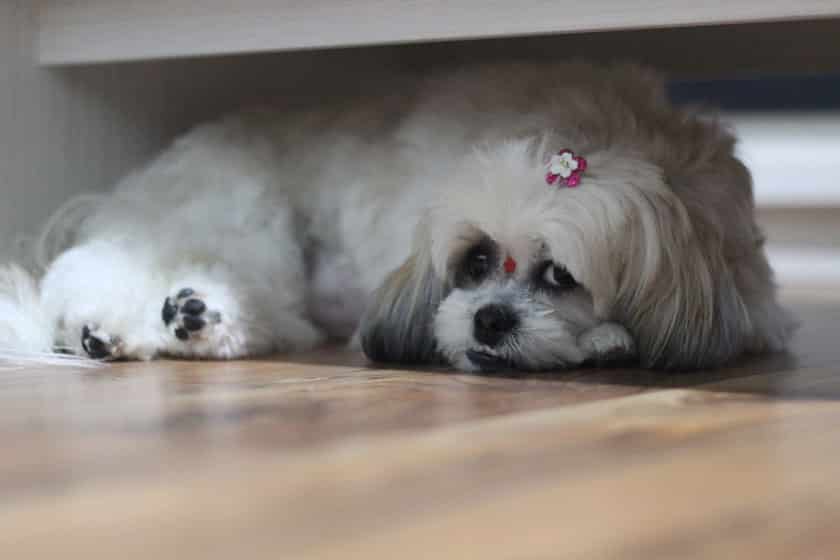
The Shih Tzu is a strong pick for apartments, and especially for elderly or disabled owners. Unlike most toy breeds, he’s not jealous, not demanding, and not a compulsive barker.
He’s cheerful, warm, and smart, but comes with a stubborn streak and a well-earned reputation as one of the harder breeds to housebreak.
Although extremely friendly and patient, he’s not the best choice for homes with young children.
He’s perfectly content spending most of his day inside, but outdoor time matters for his physical and emotional health and can extend his lifespan.
His energy level is moderate, not zero. Skip exercise consistently and behavioral problems tend to follow.
A single 20-minute walk is the minimum, but two 20-minute walks a day is the better target.
On days when going outside isn’t possible, 45 minutes of active indoor play usually burns enough energy to tire him out for the rest of the day.
4. Cavalier King Charles Spaniel

The Cavalier King Charles Spaniel genuinely wants to please and adjusts to nearly any environment without fuss. That even temperament is part of why he works so well as a therapy dog.
Affectionate, playful, and friendly with strangers and regulars alike, he runs on attention and affection. Left alone too often, he’s prone to separation anxiety.
Cavaliers get along well with other pets and are genuinely good with children, happy to match a child’s energy during play.
He can thrive in an apartment as long as he gets outside daily. Plan on at least a couple of short leash walks each day.
Whenever you can get him to a safe open area to run free, do it. He’ll come back noticeably calmer.
Inside, Cavaliers are moderately active during playtime. A good game session takes care of any leftover energy and settles him down for the rest of the day.
5. Pekingese
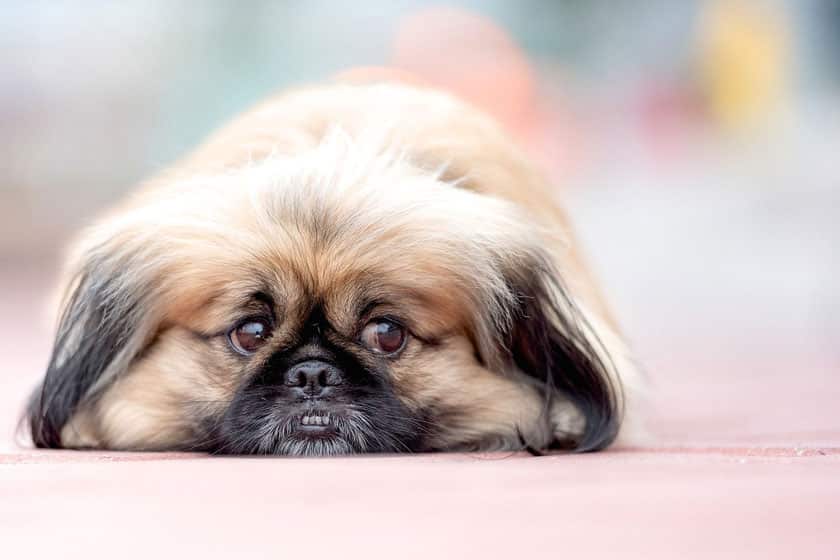
Don’t let the size fool you. The Pekingese carries more confidence than most dogs twice his weight and has a very high opinion of himself.
Bold, independent, and sometimes aggressive, but with consistent handling he becomes a loyal, sensitive companion who genuinely enjoys playing.
Most of the time he’s calm and low-energy, but two daily walks and some playtime are still necessary for his health and his temperament in the apartment.
Give him toys. He loves them and stays mentally engaged with them long after other breeds have lost interest.
6. Japanese Chin

Bred specifically to be a companion and lap dog, the Japanese Chin is cheerful, gentle, and playful, and forms close bonds with his owners.
He wants to be the center of attention and doesn’t handle being alone well. Separation anxiety is a real concern with this breed, which makes him a better fit for retirees or people who work from home.
He reads his family and adjusts to their energy, at ease in a lively household or a quieter one.
The Japanese Chin isn’t an active dog, but he still needs indoor playtime and at least one daily walk to stay balanced.
Use a harness for walks rather than a collar. His neck is delicate and a collar puts too much pressure on it.
7. Boston Terrier
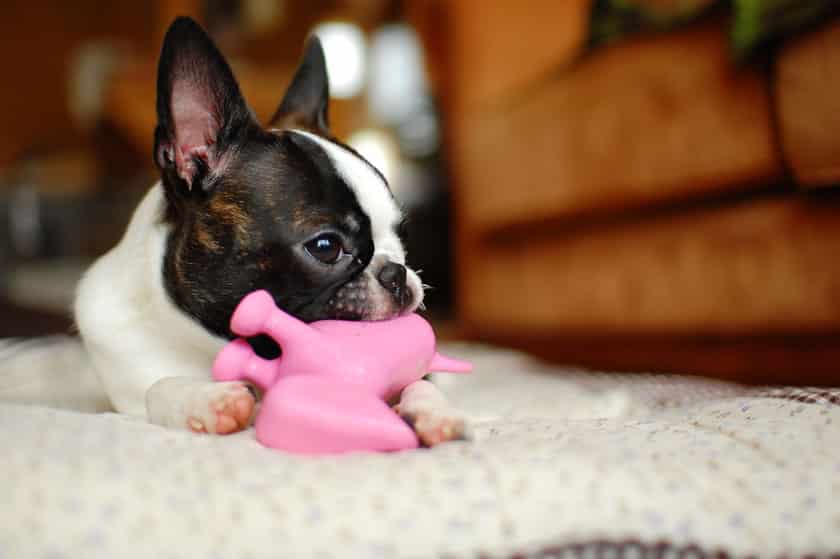
The Boston Terrier is gentle and quite sensitive. Playful and social, he wants to be part of whatever his family has going on.
He can be clingy and is very attuned to his owner’s moods, sometimes uncomfortably so.
Boston Terriers generally do well with kids and other pets, though they can get dominant or territorial with other dogs.
Smart and alert, he gets restless and difficult if he doesn’t get enough physical and mental stimulation.
The Boston Terrier can live perfectly in an apartment since he is usually not very active. Aim for at least 30 minutes of daily walking. If he seems restless or more wound up than normal, he needs more.
Training sessions and puzzle toys are solid options for covering the mental side of his needs.
8. Chihuahua
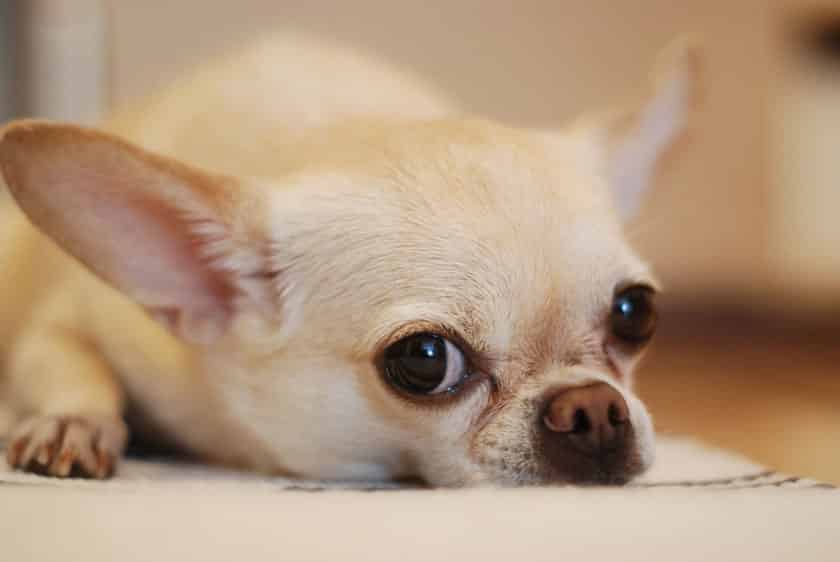
Pinning down the Chihuahua’s personality is genuinely difficult.
Some are bold and animated, others shy and quiet. Some are eager to please, while others do exactly what they want and nothing else.
What holds true across the board is that his family is his whole world. He wants to go everywhere with you and be part of everything happening at home.
Not a sociable dog by nature. Chihuahuas tend to distrust strangers and rarely get along with other dogs or pets on their own.
They make excellent apartment dogs, though the real downside is that they bark a lot.
The Chihuahua is a homebody who prefers spending his time inside with his family over going out.
Even so, he needs a proper exercise routine. A 30-minute walk every day is the minimum.
9. Chinese Crested

Loads of personality. The Chinese Crested is animated, playful, and deeply affectionate with the people he knows, and quite reserved with strangers.
He needs a lot of attention. If you’re often away from home, he’s not a good fit since he’s prone to separation anxiety.
He loves children and is affectionate and playful with them, but this breed isn’t recommended for families with young kids. He’s extremely fragile and easy for children to hurt during rough play.
As apartment dogs go, the Chinese Crested is one of the better choices among lazy dog breeds. Low-activity and genuinely easy to care for.
One or two daily walks plus some playtime covers his physical needs. Mental stimulation matters just as much and shouldn’t be skipped.
10. Pomeranian
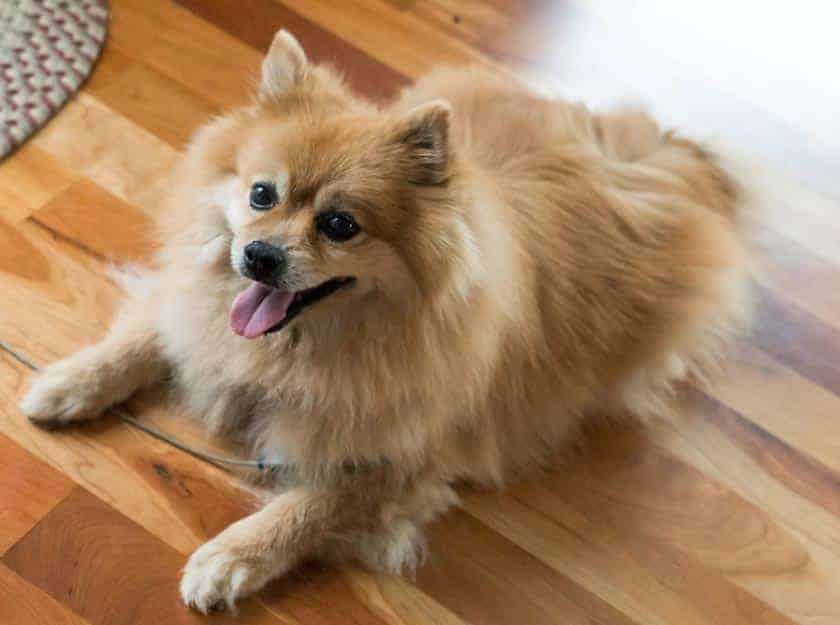
Intelligent and loyal, the Pomeranian is a great choice for apartment living and adapts well to many different owners and lifestyles.
He’s outgoing and social. New people get his full attention whether they want it or not.
With his family he’s affectionate and playful, but he can get demanding. He has an independent streak, and if spoiled, he’ll use it against you.
He’s a slightly active dog, though at his size the energy output isn’t significant in practical terms.
A couple of short to medium walks a day plus indoor playtime keeps him satisfied. He enjoys toys at home, and an off-leash run in a safe area when you can arrange it is a genuine treat for him.
11. Tibetan Spaniel
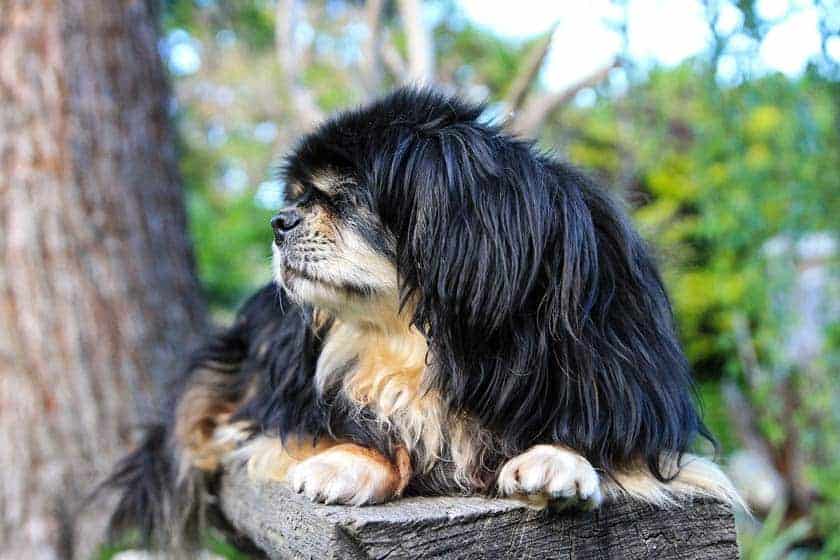
The Tibetan Spaniel is alert and makes an effective watchdog. That alertness also means he tends to bark more than average.
He’s intelligent, charming, and cheerful, with a fairly independent streak that surfaces from time to time.
He’s a sensitive dog who does best in calm homes without much tension or noise. He’s deeply attached to his family and needs attention regularly. Extended time alone tends to produce separation anxiety.
With proper socialization and a household that includes children he grew up with, he becomes affectionate and protective toward them in a way that’s genuinely unusual among toy breeds.
The Tibetan Spaniel is one of the lazier dogs on this list. He’s usually content doing very little, though he’ll have short bursts where he wants to play.
Playtime can cover most of his physical activity needs, but one or two daily walks still help keep him healthy over time.
12. Bolognese
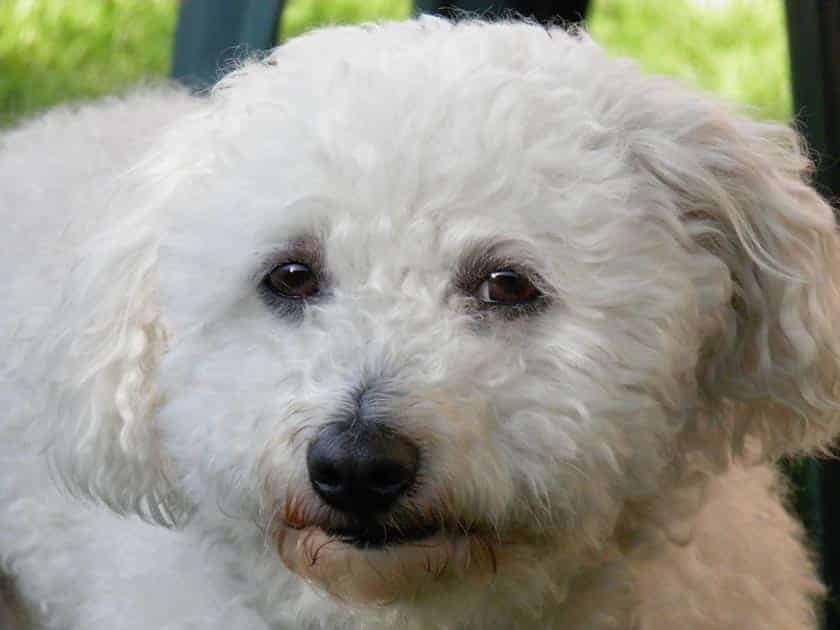
Loyal, affectionate, and intelligent. The Bolognese needs a lot of company and wants to be with his owner as much as possible. He genuinely does better with owners who are home often.
Curious and entertaining, he tends to investigate and explore everything. With children he’s affectionate and playful, and he gets along well with other pets.
Bologneses read their owners well and adapt easily to their moods. They’re happy to nap indoors or head outside to play, whichever the day calls for.
He’s low-energy overall, and a session of indoor games and two 15-minute walks a day is enough to keep him satisfied. Mental stimulation is part of the deal and shouldn’t be skipped.
13. English Bulldog

The English Bulldog is friendly to a fault and gets along with nearly everyone. He bonds well with other pets and children.
He has no strong feelings about exercise and is perfectly content lying beside his family for hours, snoring without apology.
Running and intense physical effort aren’t good for him. His short nose and narrow nasal passages mean he runs out of breath quickly, and joint problems are common in the breed.
His sedentary personality combined with genetics that favor fat storage makes obesity a real risk. A 30-minute play session each day is enough to keep his weight in check.
The English Bulldog is one of the best lazy dog breeds for apartment life.
14. Basset Hound

The Basset Hound is friendly, affectionate, and gentle, which makes him a solid pick for apartment dwellers who want an easygoing companion.
He’s also quite stubborn. If he catches a scent he wants to follow, good luck redirecting him.
Despite being bred as a hunting dog, the Basset Hound would rather be resting indoors. He’s genuinely one of the lazy dog breeds best suited to apartment life.
He’s dedicated to relaxing when he’s inside, but does enjoy getting out. Two walks a day keeps him healthy and gives him the outdoor time he actually wants.
15. Chow Chow
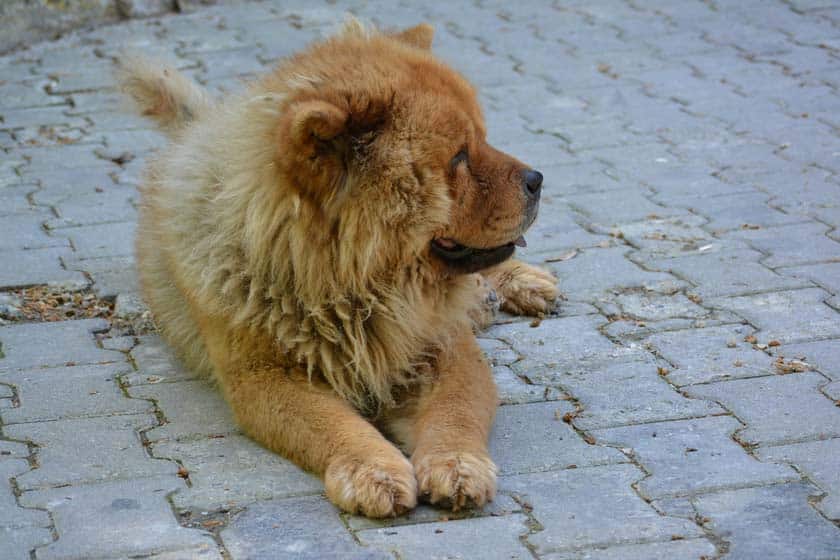
The Chow Chow has a personality all his own: deeply loyal, independent, serious, and thoroughly introverted.
He’s a capable watchdog, brave and protective by nature, and can push into overprotective territory without proper training.
Early socialization makes a real difference. A well-socialized Chow Chow can be friendly with other pets and reasonably good with children, though playing with kids isn’t something he particularly enjoys.
For a dog his size, the Chow Chow is not active at all. He’s content taking naps and spending hours at rest in the apartment.
He still needs exercise. Two 15-minute walks a day is enough to keep him healthy and in a good mood.
16. Dachshund
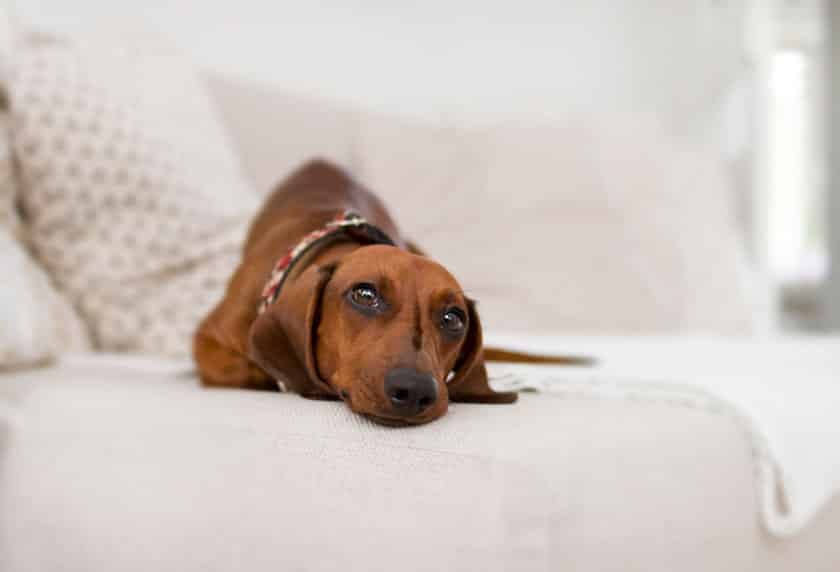
Fearless to the point of recklessness. The Dachshund is always alert to what’s going on around him, which makes him a surprisingly capable watchdog for his size.
Dachshunds are great for apartment living. Smart, playful, and mischievous, with a stubborn side that will test you if you don’t set clear limits early.
He likes to eat and puts on weight easily, and is perfectly happy lying around doing nothing for most of the day.
That said, he needs a reasonable amount of physical and mental activity. Two walks of 20 to 30 minutes a day is the target.
He enjoys running, but his long back and short legs make him vulnerable to spinal injury. Be careful with stairs and avoid rough terrain.
17. Greyhound
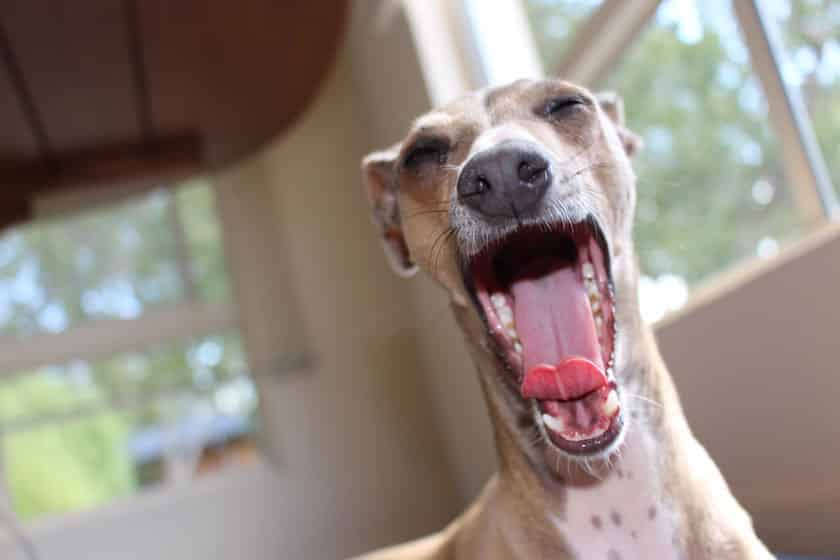
The Greyhound is a devoted family dog who bonds closely with his owner. The Greyhound is a great apartment dog with an affectionate, friendly, and gentle personality that surprises people who only know him from the track.
He’s intelligent and independent, though he can be shy with strangers if not properly socialized as a puppy.
Known as a racing dog, the Greyhound is widely assumed to be high-energy and demanding to exercise.
The reality is the opposite. He likes to sleep, enjoys being pampered, and while he needs daily exercise, his actual needs aren’t that demanding.
Walk him a couple of times a day, give him some playtime, and take him to an enclosed space to sprint off-leash a few times a week. Keep in mind he has a strong chase instinct and should never be off-leash in an unsecured area.
18. Bullmastiff

Alert and a natural guardian. The Bullmastiff is brave defending his home and family, though he’s not generally aggressive unless responding to a real threat.
He has a serious, confident character and is quite sensitive. He doesn’t respond well to harsh treatment.
Loyal and affectionate, the Bullmastiff likes having his family around and doesn’t do well when left alone for long stretches.
For a large dog, he’s surprisingly calm indoors and manageable in an apartment in terms of activity level. Without enough exercise, though, he gets restless and harder to handle.
Two 30-minute walks a day is what he needs. Getting him to a dog park regularly for off-leash time and socialization rounds things out.
19. Great Dane
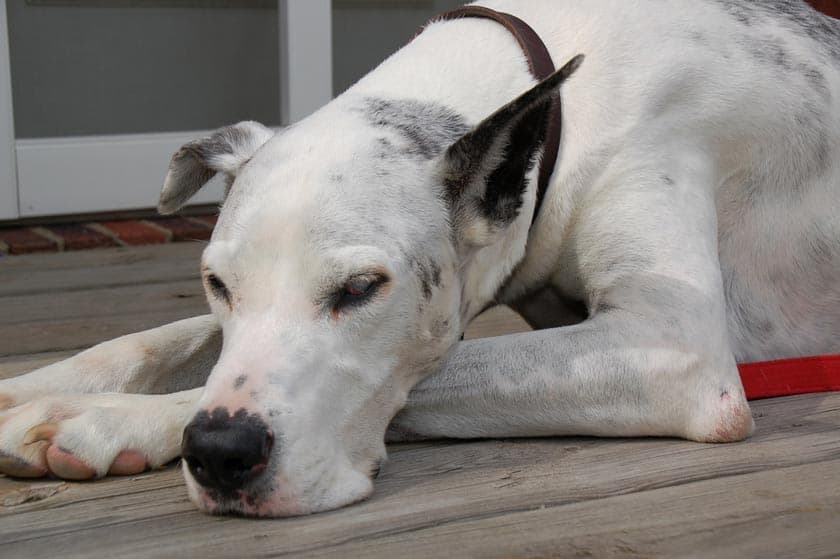
Protective, but also gentle and genuinely affectionate with the people around him.
He’s an effective watchdog who doesn’t need aggression to hold a room.
The Great Dane is friendly with strangers and loves having people around.
Despite the size, he likes to curl up and rest. He’s not built for small furniture, but he’ll use it anyway.
He doesn’t need a lot of exercise. Two 15-minute daily walks is often enough, though if he’s restless he may need up to 60 minutes spread throughout the day.
The Great Dane is considered one of the best large lazy dog breeds for apartments.
20. Saint Bernard
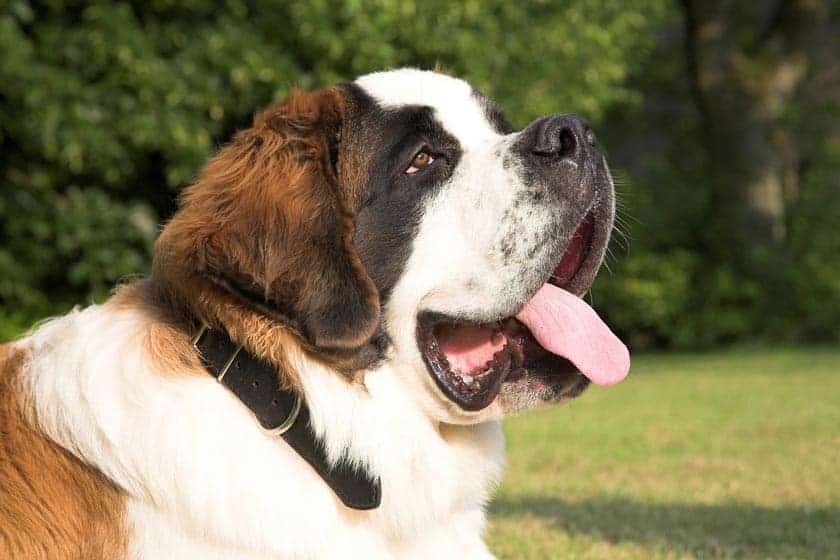
The Saint Bernard is deeply affectionate with his family and has an extroverted, friendly, social personality. He loves being around people and part of whatever’s happening.
Patient and eager to please, he appreciates attention but isn’t needy about it. He does struggle with long stretches alone and can develop separation anxiety.
He’s genuinely friendly with other animals and patient with children, though his size means he can accidentally knock a small child over without trying.
He adapts well to apartment living, though a larger space helps given how much room he takes up.
He’s not an active dog indoors. Slow and calm is his default, and he moves deliberately.
Saint Bernard puppies shouldn’t be over-exercised. Their bones and joints are still developing and too much strain can cause lasting damage.
Adults need a couple of daily walks or one long one. Avoid hot weather since he handles heat poorly.
21. Newfoundland
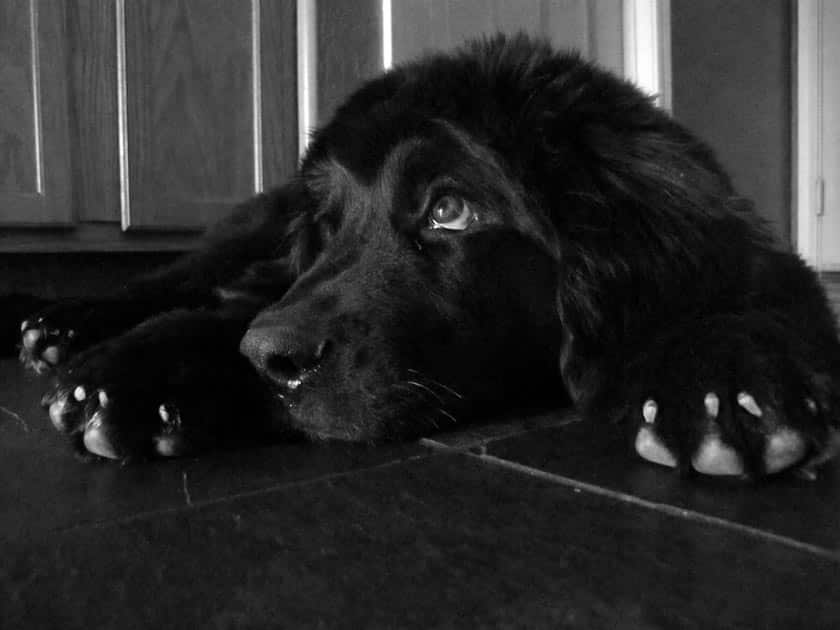
A devoted, faithful companion. The Newfoundland is intelligent, gentle, and sweet, and works well in family settings.
He’s protective and makes a capable watchdog, though he’s never aggressive and is often used as a therapy dog because of how steady and calm he is.
He’s friendly, eager to please, and good with people in general. Patient by nature, though being alone for long periods leads to anxiety that can turn into destructive behavior and barking.
He’s a calm dog indoors and stays close to home, which makes the Newfoundland perfect for apartment living.
He does need real exercise. Two daily walks of 20 to 40 minutes covers it, and swimming is worth adding when possible since he genuinely loves the water.
Final Thoughts
Matching yourself to the right breed matters more than people realize. A good fit means a better life for both of you.
If you live in an apartment and your schedule is busy or your lifestyle is low-key, these lazy dog breeds across small, medium, and large sizes give you real options.
Just keep in mind that owning a dog is a long-term commitment regardless of how low-maintenance a breed looks on paper. Every dog needs time, attention, and daily care to stay healthy and genuinely happy.
Resources
Frequently asked questions
Can big dogs really live in an apartment?
Yes. Energy level matters far more than size. A calm Great Dane settles into a flat better than a wound-up terrier, as long as it gets a proper walk twice a day.
Which dog breeds bark the least in apartments?
Greyhounds, Basenjis, Bulldogs and Cavaliers are among the quietest. Any dog can learn to be calm, but these simply start at a lower volume.
How much exercise does an apartment dog need?
Most do well on 30 to 60 minutes a day split into two walks, plus a little indoor play. Cut that short and the barking and chewing usually start.
Google lets you pick which sites come up first in your own results.