


A quick note: a few links below are affiliate links. Buy through one and we may earn a small commission. It never costs you more, and we only point to gear we'd actually put in front of our own dogs. As an Amazon Associate I earn from qualifying purchases.
Few things land the way a new dog does once it moves in and starts sharing your days.
Puppy or grown dog, some breeds just are not built for apartment life, and it pays to know which ones before you fall for a face.
Knowing the breeds that struggle in a small space makes it a lot easier to pick the right one for yours.
Airedale Terrier

The Airedale is a worker with a personality all its own. Bred in Yorkshire and the biggest of the terriers, it ranks among the smartest and most self-assured dogs around. It barely sheds and stays warm with its family.
The right toys go a long way toward keeping one content. Push it around in training and it pushes back, and it tends to remember whoever came at it the wrong way.
Why is the Airedale Terrier a Bad Dog for Apartment Living
- This dog needs a lot of daily exercises.
- It prefers to live in a big yard where it can run freely.
Alaskan Malamute
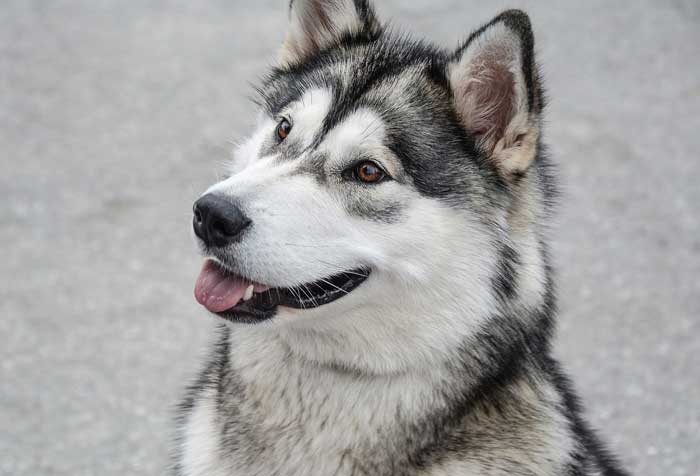
This is a dog that wants a job to chew on, mentally speaking. One of the oldest breeds out there, it really belongs with someone who has owned dogs before. With its own people it is all heart, and it tends to greet strangers warmly too.
That half-wolf look stops people in their tracks. The size alone might send an intruder packing, but do not mistake it for a real guard dog.
Why is the Alaskan Malamute a Bad Dog for Apartment Living
- This dog has a lot of energy and needs to run in a big yard.
- It sheds heavily.
Australian Cattle Dog
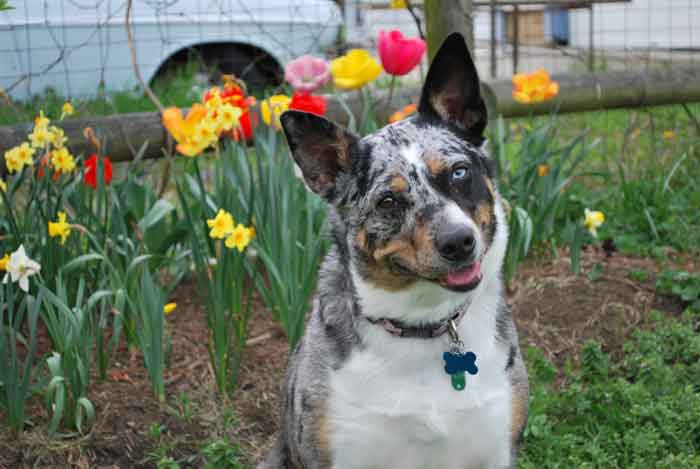
Australian settlers bred this one to move cattle, and it still earns its living herding. It is fiercely loyal and watches over its family, but a first-time owner will likely be in over their head.
Couch potato it is not. This is a shadow dog through and through, glued to its owner and miserable when left behind.
Why is the Australian Cattle Dog a Bad Dog for Apartment Living
- This dog has a lot of energy and needs regular exercise sessions.
- When not allowed to run and play, the dog will start displaying destructive behaviors.
- Unless raised with other puppies, smaller animals, and kids in the house, the dog’s natural instinct of catching prey and biting might take over.
Beagle
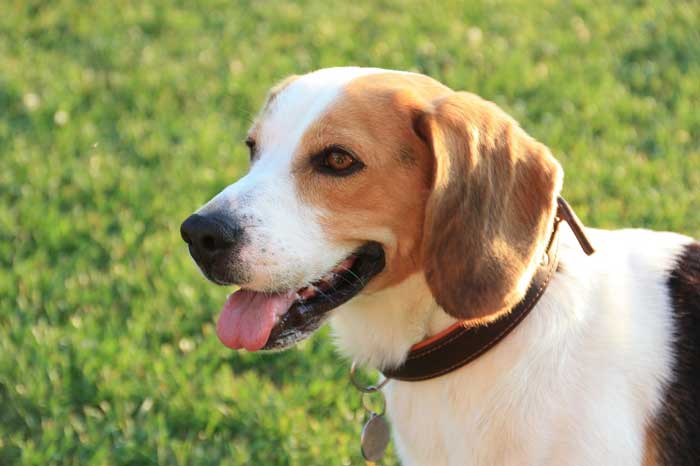
The Beagle is a cheerful, soft-hearted dog. It usually gets on fine with other pets and treats every new face as a friend it has not made yet.
Few noses work like a Beagle’s, which is exactly the catch. Lock onto a smell it likes and the dog will do nearly anything to follow it, so keep a hand on the leash.
Why is the Beagle a Bad Dog for Apartment Living
- This dog needs regular exercise sessions throughout the day.
- It usually barks or howls, especially when it’s bored.
- When left in a confined space, the dog can display destructive behaviors.
Belgian Malinois
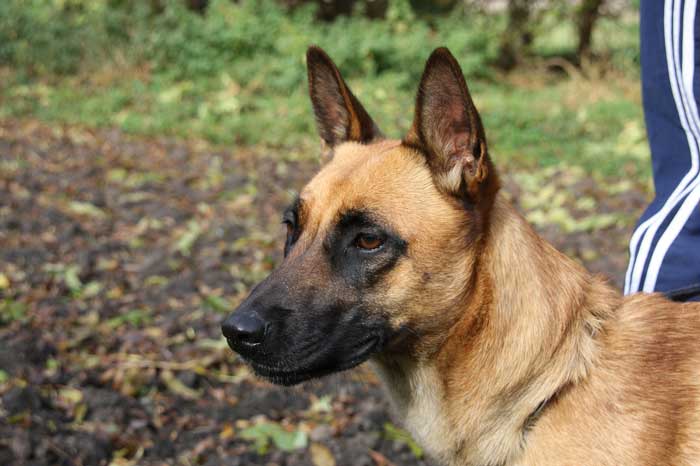
As an athletic partner the Malinois is hard to beat, which is why so many work in police units. Quick and switched-on, it reads a threat and reacts in a blink. It is also a sensitive dog, and heavy-handed training gets you nowhere.
Why is the Belgian Malinois a Bad Dog for Apartment Living
- This dog doesn’t work for a first-time dog owner.
- It needs lots of exercises and will prefer to run in a big backyard.
- It sheds constantly and will shed twice a year heavily.
Blue Lacy

Hand the Blue Lacy a job and it settles right into its own skin. It makes a sharp watchdog and a fine family dog, slow to trust strangers but eager to please once you train it with a gentle hand.
Why is the Blue Lacy a Bad Dog for Apartment Living
- This dog needs an experienced owner with lots of time for training.
- It loves to run in a backyard and doesn’t get along with smaller pets.
- It sheds heavily.
Border Collie
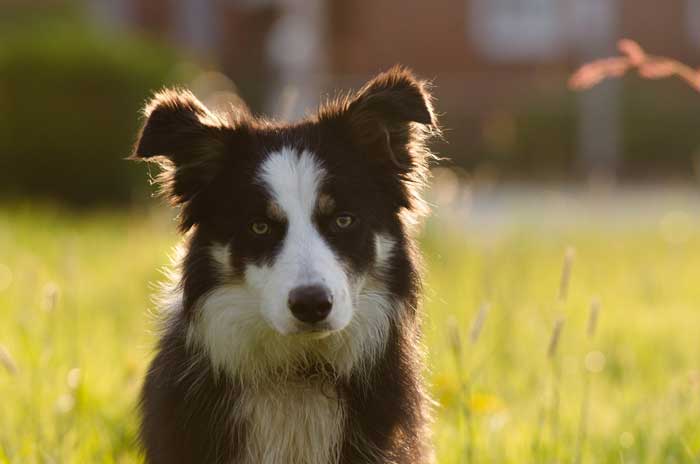
The Border Collie is herding stock at its finest, with stamina that never seems to run dry. If you are into dog sports, you will struggle to find a better partner, since it cleans up at agility and obedience.
It fits an owner who wants a dog that keeps them moving, as long as you can hand it something real to do day in and day out.
Why is the Border Collie a Bad Dog for Apartment Living
- The dog sheds heavily.
- It features supernatural amounts of stamina and energy and needs regular exercise to prevent destructive behaviors.
Briard
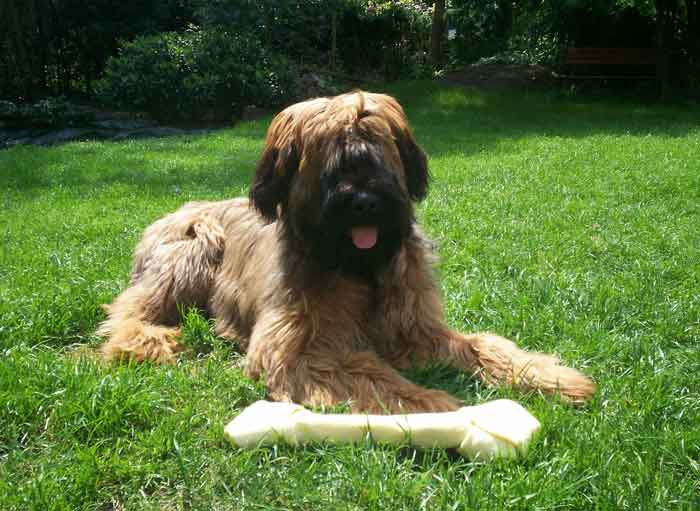
That shaggy coat wins people over fast. The Briard started out as a working dog and carried messages and medicine for troops in World War I. These days it makes a warm family dog, the kind that trails you from room to room while you handle the chores.
Why is the Briard a Bad Dog for Apartment Living
- It loves to run and play, but shouldn’t be left alone for a whole day in the backyard.
- This dog usually barks at children, people, and other pets, trying to control the flock, as part of its job as a herding dog.
Dalmatian

Famous from 101 Dalmatians, this dog lives to be in the middle of family life and craves your company. Want a jogging buddy? You could do far worse.
It is a smart dog, and early training is what keeps that intelligence pointed in the right direction. It bruises easily under harsh correction, and some can be downright stubborn, so steady training and early socialization matter more than usual.
Why is the Dalmatian a Bad Dog for Apartment Living
- In the past, this dog was bred to run alongside carriages, and need lots of exercises to stay mentally and physically motivated.
- It sheds heavily and needs daily grooming to keep the coat in good shape.
- It can become too excited when it’s around its people and can easily knock kids and furniture pieces when it’s running around.
English Springer Spaniel
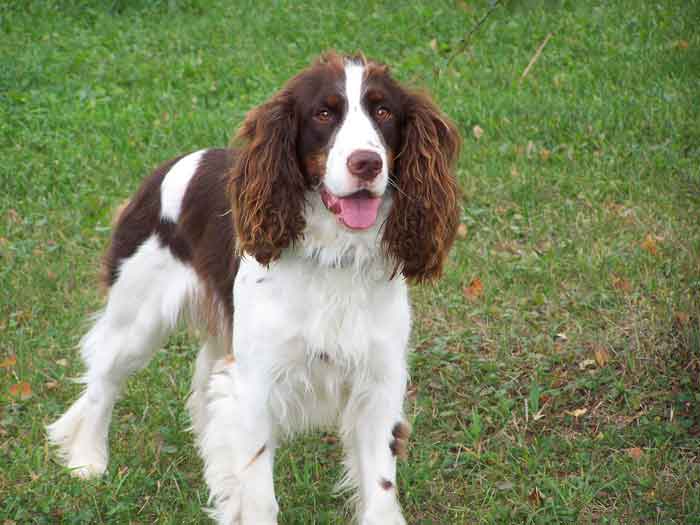
This athletic spaniel shines on the agility course. It is keen and quick to please, which makes owning one a genuine pleasure.
It may sound off at a stranger, but it is no guard dog. It needs plenty of company, since boredom sets in fast.
Why is the English Springer Spaniel a Bad Dog for Apartment Living
- This dog needs room to run, so it might knock down pieces of furniture.
- It sheds all year long.
German Shepherd
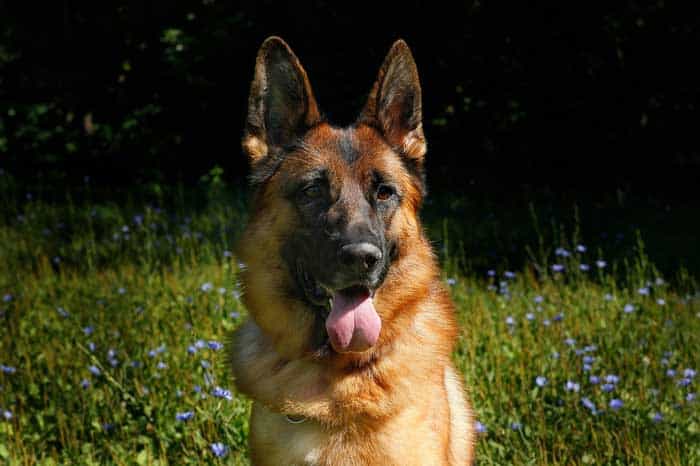
Whatever you train a German Shepherd to do, it tends to do well. They guide the blind, assist people with disabilities, and serve on police forces. Loyal to the core, the breed does not take kindly to long stretches alone.
It keeps strangers at arm’s length and benefits from crate training, which teaches it to stay calm when its owner is out of sight.
Why is the German Shepherd a Bad Dog for Apartment Living
- This dog needs to run, so it will feel confined in an apartment.
- It sheds all year long and will shed twice a year heavily.
German Shorthaired Pointer

This eager dog barks at strangers without meaning much by it. It loves to please and works hard to keep its owner happy. Being so people-focused, it hates being left on its own for long.
Why is the German Shorthaired Pointer a Bad Dog for Apartment Living
- It’s a high-energy dog and needs regular exercise.
- It barks a lot and can be quite annoying if you live in a small apartment.
Siberian Husky

The Husky wears a gorgeous coat and will plot an escape the moment you stop paying attention. It is popular and plenty smart, but it has its own agenda and feels no great need to win your approval.
Why is the Siberian Husky a Bad Dog for Apartment Living
- This dog can become destructive indoor and outdoor when not given enough attention.
- It needs regular exercise.
- It enjoys howling, so it can be annoying when you’re living in an apartment.
Vizsla

For an active owner the Vizsla is a near-perfect match. It is so affectionate and clingy that people call it the Velcro Vizsla. It barely sheds and picks up tricks in no time.
Why is the Vizsla a Bad Dog for Apartment Living
- It whines and moans, so it can be annoying.
- It prefers to run in a big yard.
- This dog chews, so you need to give it enough toys to protect your possessions.
Weimaraner

Out of Germany, the Weimaraner was built to be an all-purpose hunting dog. Its prey drive runs high and it will test every boundary you set. This is not a starter dog, and it can turn rough with smaller animals.
For all that, it is a sharp dog that learns fast. Keep up with it and the Weimaraner might be exactly your kind of dog.
Why is the Weimaraner a Bad Dog for Apartment Living
- It has high stamina and needs to run a lot.
- It’s challenging to housetrain.
Final Thoughts
Dogs are their own kind of wonderful, and matching one to your life is rarely a quick decision. The honest questions are whether you can keep pace with the dog, and whether it can live with the way you live.
Resources
Frequently asked questions
Can big dogs really live in an apartment?
Yes. Energy level matters far more than size. A calm Great Dane settles into a flat better than a wound-up terrier, as long as it gets a proper walk twice a day.
Which dog breeds bark the least in apartments?
Greyhounds, Basenjis, Bulldogs and Cavaliers are among the quietest. Any dog can learn to be calm, but these simply start at a lower volume.
How much exercise does an apartment dog need?
Most do well on 30 to 60 minutes a day split into two walks, plus a little indoor play. Cut that short and the barking and chewing usually start.
Google lets you pick which sites come up first in your own results.