

A quick note: a few links below are affiliate links. Buy through one and we may earn a small commission. It never costs you more, and we only point to gear we'd actually put in front of our own dogs. As an Amazon Associate I earn from qualifying purchases.
Quick answer
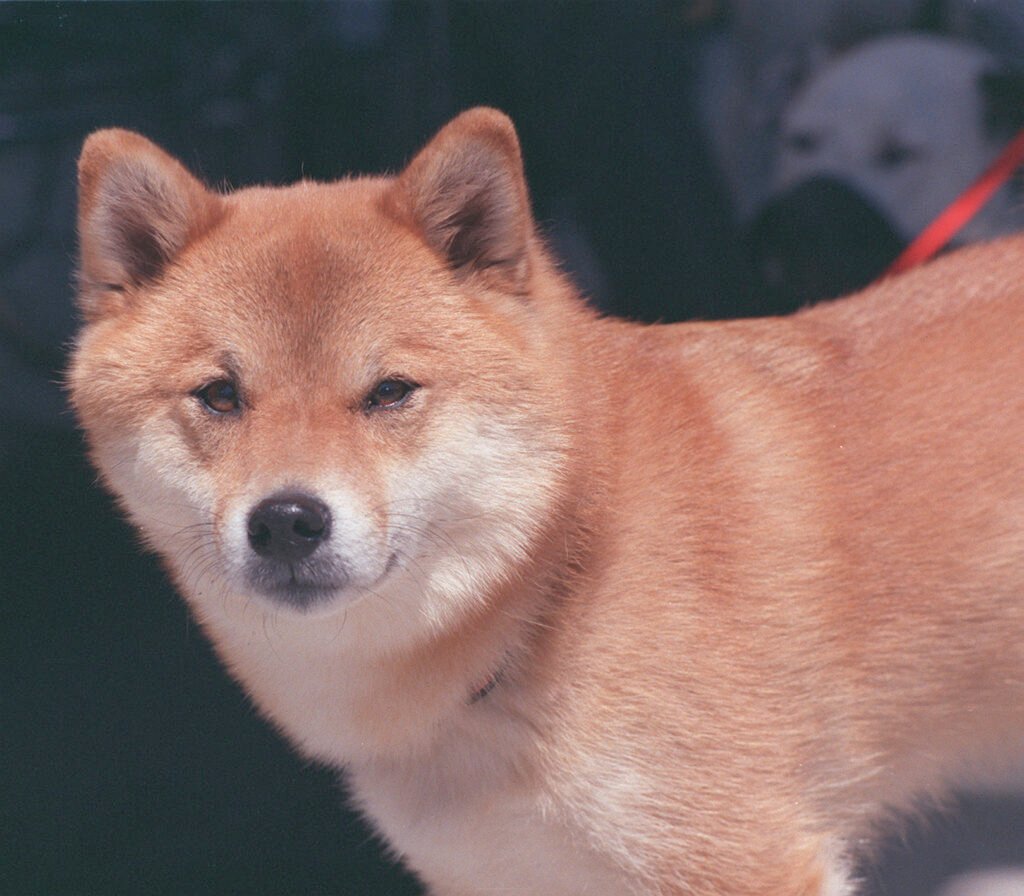
Shiba Inus make excellent apartment dogs. The breed is quiet, close to obsessively clean and about the easiest dog there is to housebreak, so accidents and noise complaints stay rare. The catch is temperament rather than space: a Shiba is independent and stubborn, needs early socialisation and consistent training, and has to stay on a leash outdoors because the hunting instinct overrides recall.
The Shiba Inu comes from Japan, where the breed was developed to flush birds and small game out of brush. That hunting past still shows. A Shiba is independent, sharp, and stubborn, with a loyalty that runs deep once you have earned it.
So are Shiba Inus good apartment dogs?
Shiba Inus can be excellent apartment dogs. It’s a fairly quiet breed, extremely clean and easy to housebreak. But for them to adapt well to apartment life, it’s necessary to provide them with good training and adequate socialization.
Before you commit, learn how this breed actually behaves day to day. A Shiba that fits the building but not your routine will still make both of you miserable.
What You Should Know About Living With a Shiba Inu
Is a Shiba Inu a Good Family Dog?
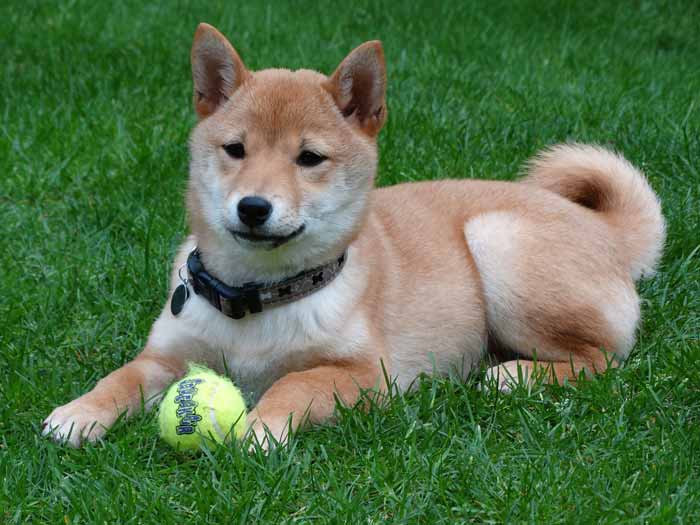
With training and early socialization, yes. Shibas are not lap dogs, and they will not smother you with affection. The bond they form is quieter than that. They stay close to their people, watch the door, and treat strangers with open suspicion until proven wrong.
They do best with older kids who understand boundaries.
Teach children to leave the dog alone when it walks away. That walking away is the warning. Some Shibas will simply remove themselves from a pestering toddler. Others, if cornered and ignored, will snap.
The dog that grows up alongside kids tends to bond hard and guard them on instinct. That early shared history is what turns a wary breed into a protective one.
Can Shibas Be Left Alone?
This is a breed that handles solitude better than most. Shibas are self-contained. They will nap, watch the window, and entertain themselves without needing you in the room every minute.
The catch is energy. Burn it off before you leave and again when you get home, or that independence turns into a chewed baseboard.
Their minds need work too. A bored Shiba finds its own projects, and you will not like the results.
Leave out a couple of chew toys and a stuffed puzzle feeder. It keeps the brain busy and the apartment intact while you are gone.
Are Shiba Inus Easy to Train?
No, and anyone who tells you otherwise has not lived with one. Shibas are smart enough to learn a command in three reps and stubborn enough to decide it does not apply to them.
They push for control, so set the rules from day one and hold the line every single time. One inconsistent week and you start over.
Be calm, be firm, be boring about it. Repetition wins.
Housetraining is the easy part. Shibas are almost obsessively tidy, and most pick up potty habits fast because they hate soiling the space they sleep in.
How Much Exercise Does a Shiba Need?
Plan on at least an hour of real activity a day to keep a Shiba healthy and sane. This is a working-bred dog in a 17 to 23 pound frame, and that engine does not idle well.
They also bore fast. A sharp dog with nothing to do gets frustrated, and frustration shows up in your shoes.
Two walks of 45 minutes to an hour usually does it. The point is not just tired legs. Sniffing a route, reading the neighborhood, taking in new sounds, all of that drains the mental tank as much as the physical one.
Throw in some play on top. A short training game or a round of tug gives the brain extra work, and a Shiba rarely turns it down.
Are Shiba Inus High-Maintenance?
Grooming-wise, not really. Shibas keep themselves clean, often licking and tidying their coat the way a cat does, so the day-to-day upkeep stays light.
The shedding is another story. Twice a year, in spring and fall, they blow that double coat and the hair gets everywhere. The coat itself never needs trimming and is easy to manage the rest of the year.
Most Shibas hate water and resent baths, so get a puppy used to it early. Their undercoat is dense and shrugs off dirt, which means you rarely need to bathe them anyway. A few times a year is plenty for most.
A weekly brush handles the loose hair and spreads the skin oils that keep that coat looking good.
The rest is basic stuff. Trim the nails on a schedule, brush the teeth often, and you head off bad breath and the dental problems small breeds slide into.
Do Shiba Inus Bark a Lot?
Day to day, no. The bark is loud when it comes, but a Shiba saves it for a reason. They make decent little watchdogs precisely because they only sound off when something is worth flagging.
Expect an alert bark when the mail arrives or a stranger lingers. Sometimes they bark from pure excitement too.
Quiet is not the same as silent. This breed is famous for the “Shiba Inu Scream,” a piercing, high-pitched wail they let loose when startled, restrained, or just deeply offended by nail trims. Your neighbors will hear it.
Are Shiba Inus Aggressive?
They can be, though most are good-natured at heart.
The trouble usually shows around resources. Shibas are territorial and possessive, and a fair number guard their food bowl or favorite toy. Reach for what they consider theirs and you may get a hard reaction.
Some are pushy with other dogs, especially same-sex pairings. Early, steady socialization is what keeps that in check and produces a level-headed adult.
A Shiba raised with structure, trained properly, and socialized young should not be an aggressive dog.
Do Shiba Inus Need a Lot of Attention?
Less than almost any other breed its size. Shibas are dignified and a little aloof, closer to a cat in temperament than to a clingy spaniel. They do not beg for constant petting.
Aloof is not cold, though. Plenty of them are playful and openly affectionate on their own terms. When a Shiba is done socializing and wants space, it tells you, and the smart move is to respect that.
Are Shiba Inus Good Indoor Dogs?
People assume they are not. The independence and the energy make it easy to picture a Shiba tearing around a backyard rather than lounging on a rug.
The reality is the opposite. Indoors, a Shiba is usually calm and settled. They like staying within sight of their family and tend to pick a quiet spot and stay put.
That calm depends on one thing. Meet the daily exercise quota and you get a relaxed housemate. Skip it and you come home to a redecorated living room.
Can a Shiba Inu Be a Guard Dog?
Within reason, yes. A Shiba is small for the guard-dog stereotype, but it is a bold, sturdy dog packed into a compact body.
Their real strength is vigilance. They stay alert and let you know the second something feels off, which makes them better watchdogs than guard dogs.
Affection is not their headline trait. Loyalty is. A Shiba is brave and devoted to its family and will stand its ground for them when it counts.
Is a Shiba Inu a Good Apartment Dog?
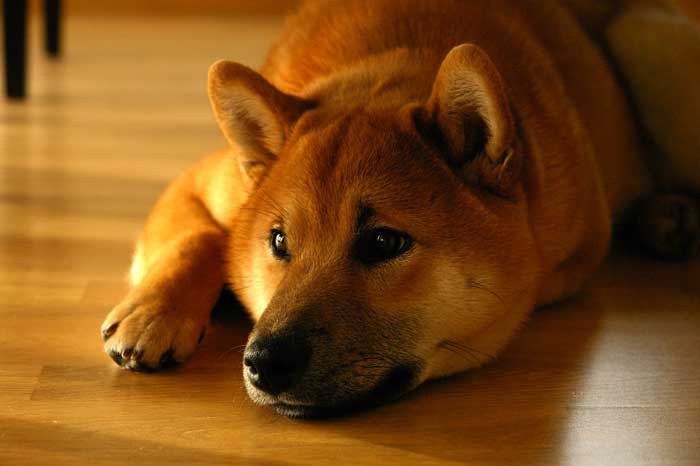
For the right owner, a Shiba Inu makes a great apartment dog. They are loyal, they bond tight, and they are clean and quiet, which is most of what you want behind a shared wall.
The condition is the exercise. Calm as they are indoors, this breed needs real physical activity and can turn cranky or guarded without it, so hitting that daily quota is non-negotiable in a small space.
Tips for Raising a Shiba Inu in an Apartment
Shiba Inus Should Always Be on a Leash When Out
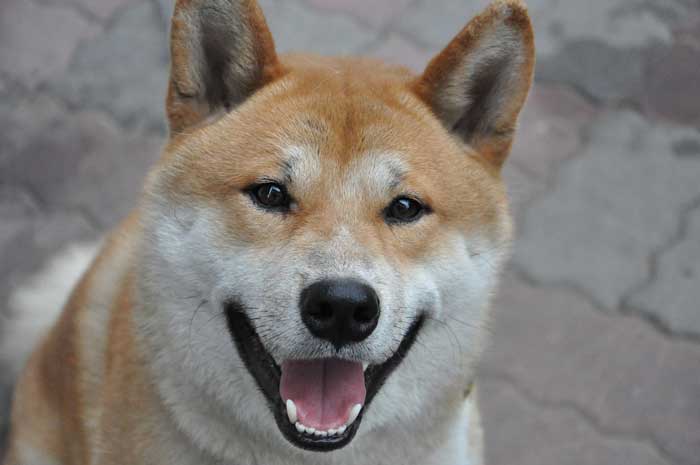
That hunting wiring never left. A squirrel, a blowing leaf, an interesting smell, any of it can flip the switch, and once a Shiba locks onto something it goes deaf to your voice and bolts.
Never leave one loose outdoors. Shibas are legendary escape artists. They jump, they climb, they dig, and a fence that holds most dogs is just a puzzle to them.
Off-leash is not a thing you can trust with this breed. Leash on, every time, the moment you step outside. Give a Shiba one open gate and it is gone.
They do not love being restrained at first, so start leash work as a puppy and make it routine before the prey drive fully kicks in.
Expect some protest early on. Most Shibas settle into the leash within a couple of weeks.
Prevent Destructive Chewing
This breed runs hot on both fronts, body and mind.
A clever dog with an empty schedule invents work for itself, and for a Shiba that work is usually chewing whatever is in reach.
Daily walks do double duty here. Every block is a stream of smells and sights that tires the brain along with the legs, and a Shiba on a steady walking routine has far less reason to wreck the place.
The worst chewing tends to happen during long stretches alone. Walk the dog hard right before you head out. A drained Shiba lies down and naps instead of eyeing your couch.
Toys carry a lot of weight too. Give a chew toy for the mouth and a puzzle feeder for the head, and you redirect the habit instead of fighting it.
Don’t Neglect Training and Socializing
Apartment life with a Shiba lives or dies on this. Consistent obedience work and steady socialization across the dog’s whole life are what make the small space work.
Training a Shiba Inu
Between the independence and the stubborn streak, the Shiba lands on most lists of the hardest breeds to train. Hard or not, you do not get to skip it.
Start the day the puppy comes home. Puppy obedience classes are a solid first move, and they double as mental work and early socialization.
What it takes is patience, consistency, and a calm, assertive kind of firmness. No yelling, no wavering.
Leave a gap in the structure and a Shiba fills it. It will appoint itself pack leader and start showing dominant, sometimes aggressive behavior.
Obedience work is how the dog learns to read you as the one in charge.
Shibas are social animals that respond to clear hierarchy. Set that structure plainly and early, and the rest of the training has a foundation to stand on.
Proper training helps a Shiba Inu:
- Less likely to run away from home.
- Better relate to other dogs and people.
- Don’t develop possessive and aggressive behaviors.
- Don’t develop destructive behaviors.
- Be easier to manipulate on visits to the vet and for grooming.
Socializing a Shiba Inu
A friendly, well-adjusted Shiba is almost always a Shiba that got out and met the world young. Start that exposure early.
Skip it and you risk a fearful adult, and a fearful Shiba is the one most likely to bite.
Socialization is how a dog builds the social skills to meet new situations with confidence instead of panic.
The benefits of socializing a dog are:
- Prevent him from becoming a fearful dog and not being able to face new situations and experiences.
- Help strengthen the dog’s self-confidence and prevent it from suffering from anxiety.
- Strengthens the physical and emotional health of a dog. A social dog will spend more time playing, exercising, and interacting with other dogs and people.
Start while they are puppies if you can. Roughly two to four months is the window breeders and vets point to as the critical period for a puppy’s development, and socialization matters most right then.
The goal is variety. Let the dog meet as many new sounds, smells, sights, people, and other animals as you can manage, all in a calm, positive way, so the world reads as normal rather than threatening.
Some options to socialize a Shiba Inu with other dogs are:
- Dog Daycare. In a daycare a Shiba Inu has the opportunity to socialize with people and other dogs throughout the day.
- Dog Parks. If you can find a safe dog park with responsible owners, it can be a good place for your dog to run, play, and socialize off-leash.
Final Thoughts
A Shiba Inu can absolutely thrive in an apartment. It is a small, exceptionally clean breed, easy to housebreak, and quiet enough that the neighbors will rarely complain.
The energy is the trade-off. This dog needs its daily exercise without fail, plus consistent training and real socialization, or apartment life falls apart fast.
Read up on the breed honestly before you bring one home. Know the prey drive, the stubbornness, the scream, and the shedding.
Fitting your square footage is only half of it. The dog also has to fit your life, your schedule, and what you can realistically give a high-drive breed every day.
A Shiba is a 12 to 15 year commitment that costs you time, money, and patience. Ask anyone who owns one. They will tell you the stubborn little fox was worth every bit of it.
Resources
- Shiba Inu Personality, Good, Bad, & Quirky by Shiba Shake
Frequently asked questions
Can big dogs really live in an apartment?
Yes. Energy level matters far more than size. A calm Great Dane settles into a flat better than a wound-up terrier, as long as it gets a proper walk twice a day.
Which dog breeds bark the least in apartments?
Greyhounds, Basenjis, Bulldogs and Cavaliers are among the quietest. Any dog can learn to be calm, but these simply start at a lower volume.
How much exercise does an apartment dog need?
Most do well on 30 to 60 minutes a day split into two walks, plus a little indoor play. Cut that short and the barking and chewing usually start.
Google lets you pick which sites come up first in your own results.