

A quick note: a few links below are affiliate links. Buy through one and we may earn a small commission. It never costs you more, and we only point to gear we'd actually put in front of our own dogs. As an Amazon Associate I earn from qualifying purchases.
Your dog needs steady access to clean water every day, the same way you do. The tricky part is that a dog can walk right past a full bowl for hours. So how do you get your dog to drink more water without standing over the bowl like a referee?
Hang on, because the back half of this article is packed with small tricks that actually move the needle.
First, a little background. We will cover why fresh water matters so much to a dog’s body, and then run through alternatives you can lean on when the bowl alone isn’t cutting it.
A dog who won’t drink enough is often the same dog who’s gone off his kibble, so if he’s stopped eating too, treat it as one problem, not two. It’s worth a closer look in older dogs especially, see our notes on keeping a senior dog comfortable. Heavy-jowled breeds also lose more water than most owners realize, which is one more reason jowl shape matters for hydration.
Why Water Matters So Much in a Dog’s Body
Water carries nutrients into the cells where they are actually used. It does a lot of quiet work during digestion too.
It also runs your dog’s internal thermostat. On a hot July afternoon, a panting dog is using water to cool itself down, and a dry dog loses that ability fast.
Then there is waste. Without enough water, the kidneys struggle to flush things out through urine. Let that slide long enough and you are looking at a vet bill.
Water also cushions the joints, the spinal cord, and the soft tissue inside your dog. Plenty of jobs for something that comes out of the tap.
What Happens if Your Dog Doesn’t Drink Enough Water?
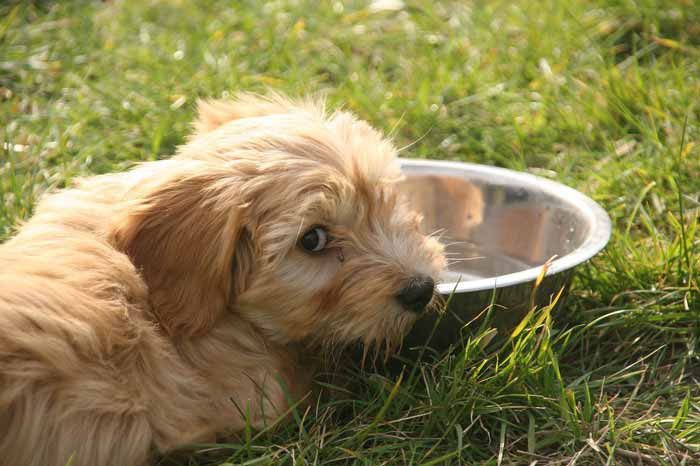
Skip too much water and the body dries out. That is dehydration, and it sneaks up faster than most owners expect, especially in summer or after a long walk.
What Are the Signs of Dehydration?
- Low energy, dragging around
- No interest in food
- Sunken eyes
- Dry mouth
- Thick, sticky saliva
- Vomiting
- Heavy panting
- Dry, warm nose
Spot one or two of these and it is worth running the quick checks below. They help you confirm it is dehydration and not something else going on.
Method 1
Pinch a little skin on your dog’s back, right between the shoulder blades, then let go. On a hydrated dog it drops back flat almost instantly. If it stays tented for a beat, that slow snap-back is a real symptom of dehydration.
Method 2
Press a fingertip gently on your dog’s gums until the spot turns pale. Lift your finger off. The pink should rush back within a second or two, and the gums should feel slick, not tacky or dry.
How Much Water Should Your Dog Drink per Day?
Vets use a simple rule of thumb here. Figure roughly 1 ounce of water for every pound your dog weighs, per day. So a 15-pound terrier needs about 15 ounces, and an 80-pound shepherd is closer to two and a half quarts. Hot days, hard exercise, and dry kibble all push that number up.
Why Would a Dog not Drink Enough Water?
A new place is one of the most common culprits. Maybe you just moved, or you packed the dog along for a few nights at a rental.
Dogs read the world through their nose. Bring the same bowl from home, the one that already smells like them, and they relax enough to drink from it.
Age is another one. Older dogs get stiff and slow, and walking across the kitchen for a drink starts to feel like a chore. Park a bowl wherever your senior likes to nap so the water comes to them.
Sometimes it traces back to a bad moment. Picture a dog mid-drink when someone steps on its tail.
After that, the dog ties the pain to the bowl itself. If something like that happened, move the bowl to a new spot or swap it for a fresh one and start over.
Our Best Tips and Tricks to Get Your Dog to Drink Water
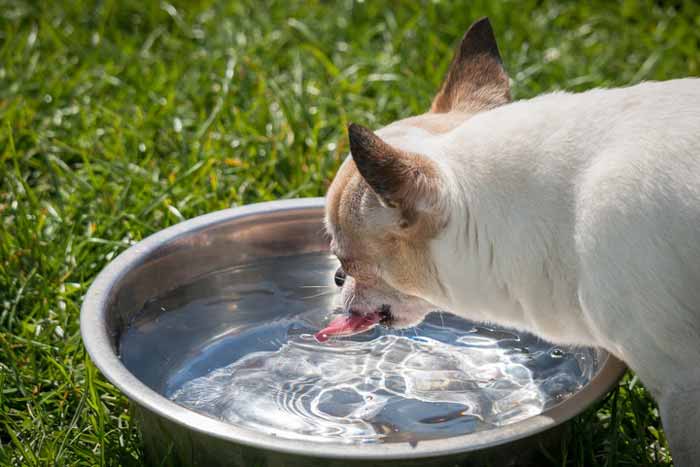
Here is the full grab bag. Try a few, keep what works for your dog, and head off the kind of problems that send you to the vet later.
Give Them Treats
Reward the behavior, especially while your dog is young. Catch your pup taking a drink and hand over a favorite treat right then.
Do that a handful of times and the lesson sticks. Drinking equals good things, so they head to the bowl on their own.
Get Them Moving
Aim for about an hour of activity a day. Movement keeps the weight in check and works up the kind of thirst that sends a dog straight to the water.
Walks, a real run, a session of play games with a thrown ball, all of it counts. Carry a water bottle and offer a drink between rounds.
Alternate Between the Kinds of Food
Most owners stick to one of three food types.
- Wet food
- Fresh food
- Dry food
Each has its place. To sneak in extra water, splash some over the dry kibble or fold a bit of canned food into the bowl.
If you suspect your dog is running dry, lean a little harder on wet food. Go easy though. Too much canned food can leave your dog with rough breath.
Take Them Out to Pee
Holding a full bladder is uncomfortable, and it is one of the quiet reasons they stop drinking water. The dog drinks less to dodge the urge it can’t act on.
So give them an easy way out, a dog door or a puppy pad, for the stretches when you can’t take them yourself.
Don’t Change the Water’s Location
Set out 2 to 4 bowls around the house so water is never more than a few steps away.
Keep each one in the same spot day after day. Dogs are creatures of routine, and they go back to where the water has always been.
Place those bowls near the spots your dog already hangs around, next to the bed and beside the food.
The Fresher the Better
Keep it fresh. A daily dump and refill is plenty most of the year. On hot days, when the bowl picks up dust, slobber, and stray kibble faster, change it twice.
Ice Cubes
Ice earns its keep in summer. Two easy ways to use it:
- Hand over a few cubes for your dog to chew and lick like a treat.
- Drop a couple into the water bowl while your dog watches. The clink and the bobbing make them curious enough to come investigate, and a few laps usually follow.
Use Fruits and Treats
Drop a few bits of dog-safe fruit into the bowl, think berries, watermelon, or banana cut small.
Most dogs go for fruit. If yours turns up its nose, toss in a favorite treat instead and let them fish it out of the water.
Freeze a few watermelon chunks when it is hot out. They keep your dog cool and double as a healthy snack.
Kind of Water
Dogs have preferences, oddly enough. Tap, filtered, refrigerated, distilled, try a couple and watch which bowl empties first.
Don’t Leave Their Meal
Pick up the food bowl about 30 minutes after your dog finishes eating. With kibble still sitting there, a thirsty dog will often pick at the food instead of going for water.
Replace Bowls
Cracked, rusted, or just permanently grimy no matter how hard you scrub? Toss it and get a new one. Stainless steel holds up better than plastic.
Flavors
A little flavor can tip the odds. Stir in some peanut butter powder, for instance. Just check the label and pick a sugar-free version, since some sweeteners are dangerous for dogs.
Syringes and Hands
Fill a needle-free syringe and dribble water into the side of your dog’s mouth through the day. Handy for a sick dog that won’t go near the bowl.
You can also cup water in your palms. Some dogs would rather drink straight from your hands than from a bowl.
Be Sure it Isn’t an Illness
Rule out a medical cause. If you have worked through these tricks for a full day and nothing takes, call your vet rather than keep guessing.
Can I Keep My Dog Hydrated With Other Methods?
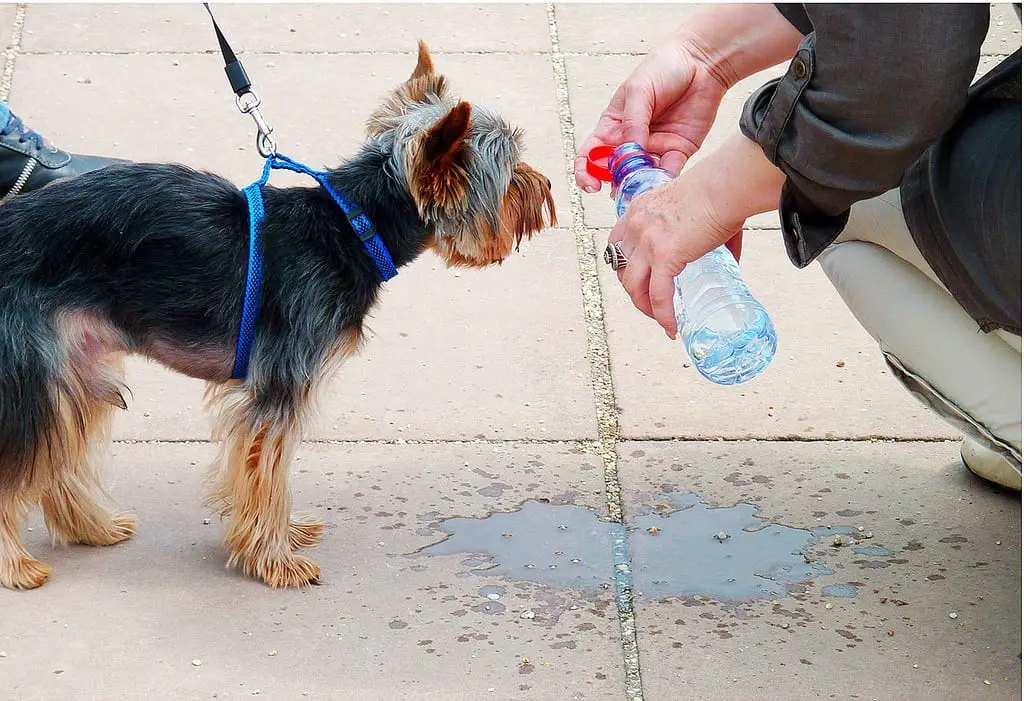
Yes, you have options. Just don’t make any of them the main event or pour them out in big servings. Think of these as bait to coax your dog toward plain water.
The play is the same with all of them. Mix a small amount into the water, then taper it off over a few days until your dog is happily lapping plain water again.
Smoothies
A smoothie isn’t only your breakfast. Blend a little of your dog’s favorite fruit with water and serve a thin version. Then dial the fruit back, spoonful by spoonful, until it is gone and water is all that’s left.
Broth and Stock
A splash of bone broth or fish stock in the water bowl gives it a savory smell that pulls a dog right in. The bonus is that broth can ease achy joints, calm an upset stomach, and put some shine on the coat. Pick a low-sodium one with no onion or garlic.
Milk, but Not from the Cow
Skip cow’s milk. Most dogs are lactose intolerant and you will just end up with a gassy mess. A small splash of coconut milk, on the other hand, sits a lot easier.
Tea, Please
Anything with caffeine in it is strongly prohibited for dogs. Caffeine-free chamomile or a touch of mint, though, is fine and can settle a queasy belly. Keep it weak, keep the servings small, and don’t make it a daily habit.
Homemade Juices
You can blend a quick dog-friendly juice and stir it into the bowl. Apple and orange work well. Pull out every seed first, since apple seeds are toxic to dogs.
Watch Out for the Over Drinkers!
One word of caution at the other end. A dog that drinks way too much can run into a serious problem of its own.
It doesn’t only happen at the bowl. Dogs gulp down surprising amounts while swimming or biting at a hose or sprinkler, and that water adds up fast.
Call your vet if you notice any of these:
- Lethargy
- Staggering or stumbling
- Bloating
- Dilated pupils
- Drooling more than usual
- Excessive urination
Final Thoughts
That is a deep bench of tricks for getting your dog to drink more water through the day. Most owners only need two or three of them to stick.
Spread the daily amount across the bowls you have set out, and watch the high end too. More water is not always better.
Worked through everything here and your dog still won’t drink? Get the vet on the phone. A flat refusal can point to something real, like a urinary tract infection or pancreatitis.
Google lets you pick which sites come up first in your own results.