

A quick note: a few links below are affiliate links. Buy through one and we may earn a small commission. It never costs you more, and we only point to gear we'd actually put in front of our own dogs. As an Amazon Associate I earn from qualifying purchases.
Quick answer
Dogs bolt for eight reasons, and the most common by a distance is an intact male chasing a mate, followed by boredom, too little exercise, separation anxiety, fear, a move to a new home, and a prey drive that overrides everything else. Neutering removes the first one outright. The rest come down to burning the energy off, drilling recall, and making home somewhere the dog would rather be than the street.
Ask any owner what keeps them up at night and “my dog getting out and getting hurt” lands near the top of the list.
It happens more than people admit. Some dogs bolt once in a blue moon. Others are repeat escape artists who turn your fence line into a daily puzzle.
A loose dog is a dog at risk, and in a city with traffic and strangers, that risk gets a lot sharper.
So you end up asking the two questions every owner asks: why does my dog run away from home, and how do I stop it from happening again?
Prevention is the whole game here, and prevention starts with understanding what’s actually driving him out the gate.
8 Reasons Dogs Run Away From Home
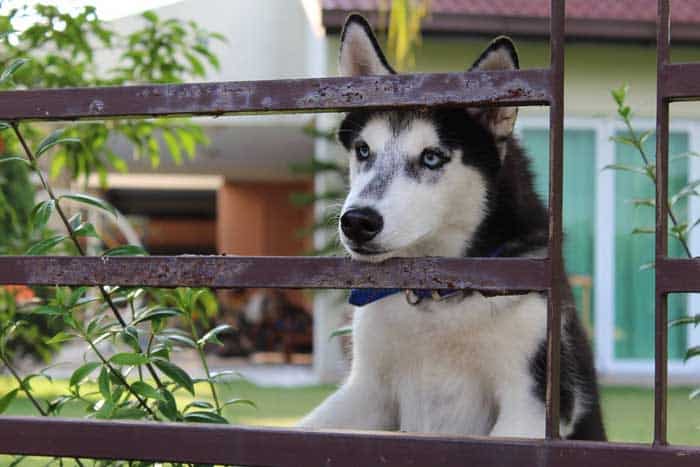
Here are the reasons it happens most often.
In Search of a Mate
The classic one, and it’s mostly males. An intact dog chasing a mate will work harder to get out than you’d believe.
Let a male catch the scent of a nearby female in heat and his drive goes through the roof. He’ll test every gap in the fence and every gate latch until something gives.
Females do it too, especially while they’re in heat and looking for a mate of their own.
After Moving to a New Home
A move rattles everyone, your dog included. Suddenly the smells are wrong, the rooms are wrong, the sounds at night are wrong. Settling into a strange house takes a dog real time, sometimes weeks.
That’s why newly moved dogs so often slip out and try to walk back to the only home they recognize.
Lack of Exercise
A tired dog stays put. A pent-up one goes looking for trouble.
Dogs are built to move. They want to explore, play, and run.
How much they need varies a lot from one breed to the next, and from one dog to the next, but every single one needs an outlet.
Your job is to point that energy at something useful before the dog finds his own outlet.
Because he will. A high-energy dog with nothing to do gnaws the table legs, then graduates to digging under the fence to go burn it off outside.
Steady, regular exercise is one of the most reliable ways to keep a dog from bolting in the first place.
Boredom or Frustration
Leave a dog alone too long with too little to do, no attention, no toys, nothing to think about, and boredom curdles into frustration.
A bored dog goes hunting for his own fun, which usually means an adventure and some company out in the wider world.
Separation Anxiety
Dogs are pack animals, and being alone doesn’t sit right with them. Plenty of dogs develop genuine separation anxiety when they’re cut off from their people.
These dogs come apart when they’re left. They pace, they panic, and nothing settles them.
An anxious dog will claw and chew his way out the moment you leave, driven by one goal: find you and get the pack back together.
Fear
A frightened dog often runs. It’s the simplest reaction there is: put distance between yourself and whatever’s scaring you.
Loud noises top the list, fireworks and thunder above all. A booming July night can spook a dog so badly that he takes off at a flat sprint, and once he’s in that state there’s almost no stopping him.
Prey Drive and the Urge to Chase
A lot of breeds were built to hunt, and that wiring doesn’t switch off. Give one of these dogs the smallest trigger, a darting squirrel, a rabbit, an interesting scent on the breeze, and he’s gone after it.
A dog with serious prey drive will do whatever it takes to close the gap on whatever he’s chasing. Distance means nothing to him in that moment.
Because He Can
This one sounds obvious. It still trips people up.
A lot of dogs escape for no deeper reason than that the chance was sitting right there. They go because the door was open.
An unlatched gate, a fence low enough to clear, a soft patch of dirt he can dig through, and an ordinary dog will happily let himself out to see what’s on the other side.
How to Keep Your Dog From Running Away
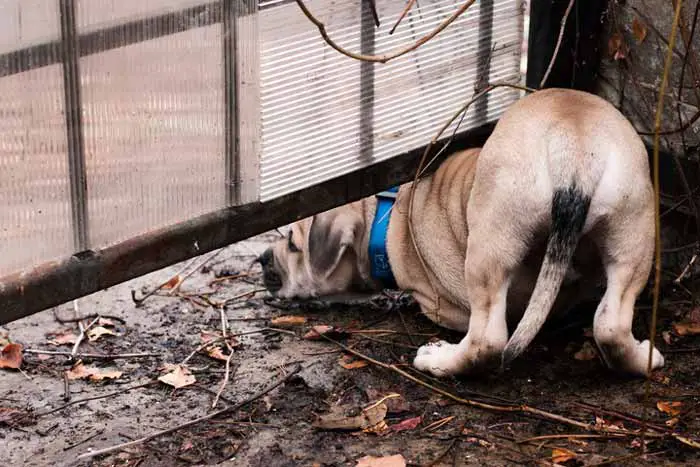
Here’s what actually moves the needle.
Obedience Training
Beyond tightening the bond between the two of you, obedience work teaches your dog to hear and follow basic commands even when the world around him is loud and full of distractions.
Drill the recall above everything else. A dog who comes the instant you call, no matter what’s tempting him, is a dog you can pull back from the edge of a busy street. That one command is a safety net.
Spay or Neuter Your Dog
Neutering or spaying your dog takes a lot of the air out of that sex drive.
It pays off in his behavior across the board. Near the top of the list: it dials way down that frantic push to escape and find a mate.
Keep Him Busy When You’re Out
When your dog is left alone for a long period of time, give him something to do with those hours besides plotting his way out.
- Leave him puzzle or food-dispensing toys to keep your dog busy and mentally stimulated during the time that he is alone.
- Take him to a doggy daycare so he can socialize and play with other pets.
Give Him a Safe Place
Set aside one spot in the house that’s his, somewhere he can rest and, when something frightens him, somewhere he can hide.
A snug, enclosed den, a crate with the door open, a quiet corner with his bed, helps a dog ride out a scary moment. Given a refuge to bolt to indoors, he’s far less likely to bolt outdoors and away from whatever spooked him.
Walk Him Every Day
Daily exercise keeps a dog’s body healthy, and it does just as much for his behavior and his mood.
Most dogs need somewhere between 30 minutes and 2 hours of activity a day. A couple of solid walks lets him spend that energy and scratch the itch to go explore, so he isn’t trying to scratch it on his own.
If you do only one thing on this list, make it the daily walk. It prevents more escapes than anything else here.
Secure the House and Yard
Walk your property like a dog would and find the weak spots before he does.
Check the doors, the windows, the gates. Wherever there’s a gap, a low rail, or a dug-out hollow under the fence, close it off so there’s simply no way through.
Tips to Help Keep Your Dog Safe
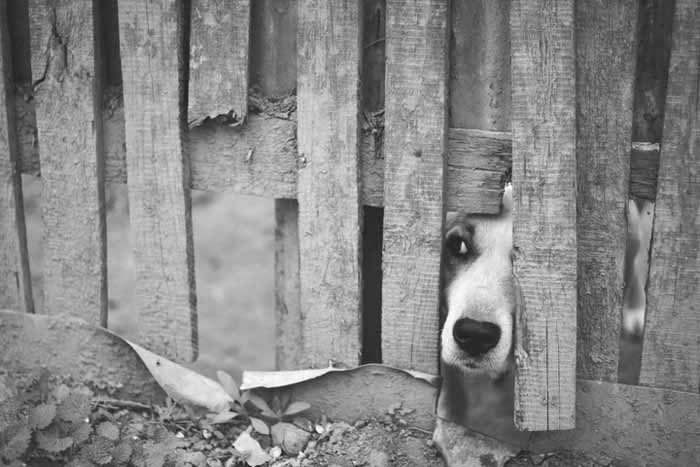
A few habits that keep your dog safer and give you a head start if he ever does get loose.
- Make sure your dog is always up to date with his vaccinations.
- Your dog should always wear a collar with an ID and your phone number.
- Have your dog microchipped as a permanent form of identification.
- Always check that the doors and gates are properly closed. Especially after having a visit.
- Don’t chase your dog when he runs away. He will think that you are playing and will continue running. It’s better to sit on the floor and call your dog to come.
- If your dog returns after escaping it’s important not to punish him. By punishing him, he will relate to returning home with something bad and may not return if it happens again.
- Reward him with treats and affection when he returns home. Let him know that returning is a good thing.
Related Questions
How Far Will a Dog Run Away From Home?
Can a Dog Find Its Way Home If Lost?
The Real Fix
Few things rattle an owner like watching the gate swing shut behind a dog who’s already gone.
So you do the unglamorous work up front to make sure it doesn’t happen.
Past the fences and the latches, the surest way to keep a dog home is to make home the place he actually wants to be.
Walk him until he’s tired, give him a den that’s his, and answer the boredom and the fear before they build. A dog who feels safe and spent and loved has no reason to go looking for something better.
Resources
- Why Does My Dog Like to Run Away? by Pets WebMD
- Dealing with Dogs that Run Away by PetPlace
Frequently asked questions
Why do dogs run away from home?
Eight reasons come up most: chasing a mate, a recent move, too little exercise, boredom, separation anxiety, fear, prey drive, and simply because the gap in the fence was there. The intact male after a mate is the most common of the lot by a distance.
Does neutering stop a dog running away?
It removes the single most common cause outright, so for an intact male it makes a real difference. It does nothing for boredom, fear or a strong prey drive, which need exercise and training instead.
How do you stop a dog escaping?
Obedience training first, recall above all, then burn the energy off with real daily exercise, leave him something to do while you are out, and give him a safe spot of his own. A dog that would rather be home is the actual goal.
Google lets you pick which sites come up first in your own results.