

A quick note: a few links below are affiliate links. Buy through one and we may earn a small commission. It never costs you more, and we only point to gear we'd actually put in front of our own dogs. As an Amazon Associate I earn from qualifying purchases.
Thinking about getting your first dog? Most people fall hard for whatever puppy lands in their lap, but a handful of breeds genuinely forgive a beginner’s mistakes. Corgis are not really one of them.
A dog gives you years of company and loyalty, and on bad days that counts for a lot. It also means another mouth to feed, walk, and clean up after for the next decade or more. So slow down before you commit. Picture the worst Tuesday, not the cute photos.
Corgis are lovable, and you’re likely to fall in love with your dog at first sight. They’re cuddly, cute, and fun to be around. However, a first-time owner should go beyond the looks when they’re thinking about adding a new dog to the family.
So, are Corgis good for first-time owners?
Why Do People Love Corgis?

Every breed has its fans, but a few of them pull crowds. The Pembroke Welsh Corgi is one. Those stubby legs, the big ears, that loaf-shaped body trotting across a yard, it gets people every time. Here is why they keep landing on so many wish lists. They’re also widely famous for being lovable and easy to dote on.
- They tend to be friendly with adults and kids. Introduce your children to a new Corgi and the two will usually be wrestling on the rug within a week. The dog often takes on a watchful, guardian streak once it’s been given proper training.
- The walk alone sells the breed. Short legs, a low body, and wide bright eyes. It looks goofy and warm at the same time, and on a rough day that little waddle can pull you out of a funk.
- You get a big dog’s attitude in a body that sits close to the ground. Corgis carry real working-dog drive, which suits an active owner who actually wants a companion on walks and hikes.
- Most Corgis get along fine with other pets in the house.
- They’re athletic and built to move. Your Corgi won’t quit a game before you do, and keeping up with one tends to keep you moving too.
- They read your mood. A Corgi often clocks when you’re down and parks itself against your leg without being asked.
- For a short dog, they’re bold. A Corgi will plant its feet and act like the house guard no matter how small it actually is.
- They’re clever. Corgis pick up tricks quickly, and that brain makes them entertaining to live with.
- They’re rarely fussy at the bowl. Handy if your schedule is packed, since a Corgi won’t turn its nose up at dinner.
Are Corgis Good for First-Time Owners?
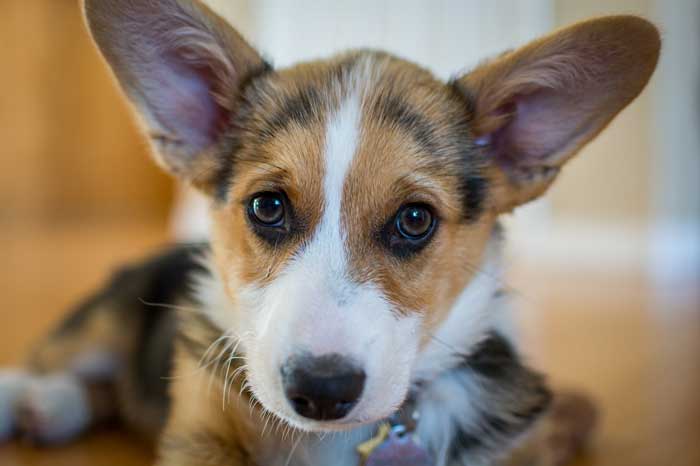
Honestly, no, a Corgi rarely makes the best option for first-time dog owners. They come loaded with energy, a stubborn streak, and a long list of needs. None of that is low-maintenance. Still, plenty of beginners do fine with one, as long as they read up on the breed first and can hand over the time, patience, and steady routine a Corgi demands.
A Welsh Corgi will fill your home with noise and affection and a fair bit of chaos. Just know the attention it asks for looks different from what an easygoing breed needs.
Personality
A Corgi wants the spotlight. It hands out affection freely and expects the same back. Temperament shifts from dog to dog, but the love of play runs through all of them.
Your Corgi wants in on everything you and the family are doing. Skip the training and that eagerness curdles into a dog that runs the household instead.
Plenty of Corgis are strong-willed, and a few are flat-out bossy. Set the ground rules on day one. Let it slide and you’ll spend months untangling obedience problems you created yourself.
Read your dog instead of fighting its nature. Give a Corgi steady love and clear boundaries, and it will bond hard and start to actually listen.
Training
A first-time owner should take training seriously, because the rest of your life with this dog rides on it. Corgis are smart, independent, and sure of themselves, so they do best with an owner who is just as confident and won’t fold the first time the dog tests a rule.
A Corgi doesn’t know it’s a small dog, and it acts like it. The first few days home, it’ll be a model citizen. Then it settles in, decides the place is safe, and the real personality comes out.
Learn the signals for potty time and you’ll save a lot of carpet. Most dogs need to go first thing in the morning, right out of the crate, after a walk, and after a nap. A young puppy will ask far more often than that, sometimes every couple of hours.
Consistency carries the whole thing. Pick one potty spot and stick to it, and expect a few accidents on the way. Corgis aren’t the easiest dogs to housetrain, and an older rescue can take longer to come around than a puppy.
What they need is a patient owner with time to spare. These dogs don’t grovel and they like calling the shots. Keep your tone upbeat, keep the treats coming at the right moments, and the training tends to stick.
Activity Level
Want a couch dog? Look elsewhere. A Corgi packs a huge personality and an engine to match, so it needs real daily exercise to stay sound in body and mind. Burn that energy off and you get a calm, happy dog. Skip it and you get trouble.
The upside is flexibility. You can shape the routine around your schedule and the dog’s quirks. People love to say old dogs can’t learn new tricks. Corgis make a liar out of that one.
These are social, affectionate dogs that thrive in a busy, loving house. They mix well with kids and would happily jump and play from breakfast to bedtime.
A couple of walks plus some yard time keeps a Corgi content and steady. No yard? An apartment can still work, provided you commit to daily walks and a longer run on the weekend.
Remember these are herding dogs, bred to work livestock, which is part of why they slot in so well with other animals. It also means they need a job. Rotate in new games and puzzles, or that herding brain will invent its own entertainment, usually at your expense.
Barking
All that drive comes out of the mouth too. Corgis bark, and they bark plenty. Herding is in their blood, so they’ll sound off when they’re wound up or convinced you need a warning about the mail carrier.
Give a Corgi nothing to bark at and it’ll bark at nothing. The dog will yell at a passing breeze. Go in expecting the noise, not hoping it stays quiet.
Beyond the barking, you get a whole soundtrack. Grumbles, sighs, and odd little yodels that shift with the dog’s mood. Some Corgis are naturally quieter, and you’ll usually spot that calm streak back when they’re still puppies.
Thin walls, a strict landlord, touchy neighbors, or a family member who can’t stand racket? A Corgi might be the wrong call for your home.
Shedding
That thick double coat is gorgeous and it sheds. Constantly. The weather-resistant fur drops hair year-round and then blows out hard twice a year, in spring and fall, as the dog swaps its coat for the season.
Every double-coated breed sheds like this, which is rough news if you like a fur-free couch. Brushing isn’t optional with a Corgi. You need to commit time to pulling out the loose and dead undercoat before it ends up on your clothes.
A few minutes of brushing a day genuinely changes how much hair you live with. Back it up with a strong vacuum and a lint roller by the door, and you’ll keep the drifts down to something manageable.
Bathing before you brush helps too, since it loosens a lot of the trapped fur. Just let the coat dry all the way before the brush comes out, or you’ll work the wet hair deeper instead of out.
Diet and Health Issues
A Corgi almost never refuses food or a treat. That enthusiasm is also how they tip into obesity, and the extra weight drags down their health fast.
Feed an active diet that matches the energy a Corgi burns, then watch the portions. The goal is keeping the dog lean, not full.
A fit Corgi has a visible waist, a prominent breastbone, and a deep rib cage you can feel without digging. Keep an eye on stamina during play, too. A dog that tires out early deserves a vet visit and maybe a new feeding plan.
For the most part Corgis are sturdy little dogs, but that long, low build invites a few health issues. Hip dysplasia shows up often in the breed, and you might catch it when the dog seems sore or stiff after a long walk. It’s largely inherited, so buying from a reputable breeder who screens the parents’ hips cuts your odds considerably.
Weight ties straight back into those hips. A lean Corgi puts less strain on the joints, which lowers the chance of dysplasia flaring up down the road.
Eyes are the other thing to watch. Progressive retinal atrophy tends to surface as a Corgi ages, usually starting with night blindness, and there’s no cure for it. Your vet can’t reverse it, but they can walk you through ways to keep an affected dog comfortable and confident at home.
Final Thoughts
Corgis are joyful, high-octane little dogs that pour affection into a home. Want something that barely sheds and rarely barks? This isn’t your breed, and no amount of wishing changes that.
What a Corgi pays back, it pays back in love and personality. A first-timer can absolutely make it work, as long as you go in clear-eyed about the grooming, the noise, the stubborn streak, and the daily time this dog flat-out expects. Give it that, and you’ll have a loud, clever, devoted shadow for years.
Frequently asked questions
What is the easiest dog for a first-time owner?
Breeds that are eager to please and forgiving of beginner mistakes, like a Labrador, Poodle or Cavalier, tend to be the smoothest first dogs.
Should a first-time owner get a puppy or an adult dog?
An adult is often easier. What you see is what you get on temperament and energy, and most are already house-trained.
How much does a first dog cost in the first year?
Budget roughly 1,500 to 3,000 dollars once you add food, vet visits, gear, training and the unexpected. The adoption fee is the small part.
Google lets you pick which sites come up first in your own results.