


A quick note: a few links below are affiliate links. Buy through one and we may earn a small commission. It never costs you more, and we only point to gear we'd actually put in front of our own dogs. As an Amazon Associate I earn from qualifying purchases.
Getting your first dog is one of those decisions that feels manageable until you’re actually doing it. A dog isn’t a weekend project. It’s a daily commitment, and the breed you pick shapes everything from your morning routine to your monthly budget.
A lot of first-time dog owners don’t stop to ask whether they’re ready before going out and buying one. Worth asking. Because the right answer changes which breeds make sense for you.
If you’ve genuinely thought it through and you’re confident you can give a dog the care and attention it needs, here are ten solid choices for the best dogs for first-time owners.
The Best Dog Breeds for First-Time Owners
The ten breeds below are the best dogs for first-time dog owners because they’re forgiving. New owners make mistakes. These dogs have even temperaments and respond well to basic training. They make the early adjustment period much shorter.
Getting used to dog ownership takes time no matter what. But with these breeds, you’ll find your footing faster and form a real bond without feeling like you’re fighting the dog every step of the way.
1. Bichon Frise
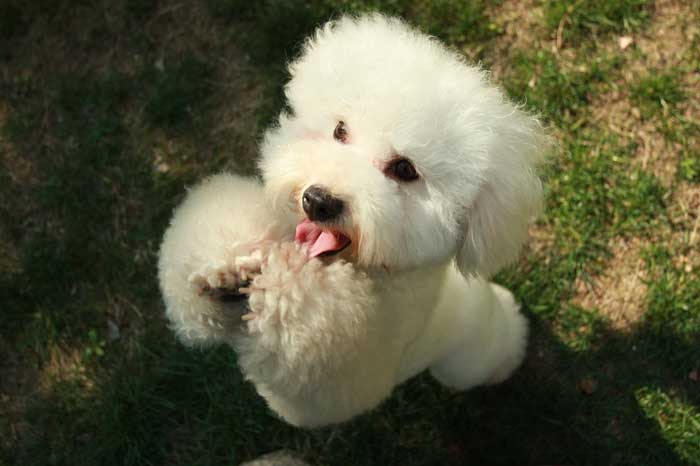
Bichons are known for their calm, friendly demeanor. They’re genuinely low-maintenance, which is why they’re popular with both new and experienced owners.
A daily walk covers most of their exercise needs. Grooming is a different story. Their coat needs professional attention, ideally from a professional dog groomer.
That curly white coat is what makes them so recognizable, but it needs to be trimmed and brushed on a regular basis or it starts to mat.
They adapt to almost any lifestyle without drama. Apartment or house, kids or no kids, busy schedule or quiet one, the Bichon fits. Training them is straightforward. They’re not shy about letting you know what they want, whether that’s a walk, a cuddle, or just your attention.
Bichons love affection. They’re cheerful by default and easy to read. At 9 to 11 inches tall and 12 to 18 pounds, they’re physically manageable too, which matters more than people expect when you’re just starting out.
2. Cavalier King Charles Spaniel
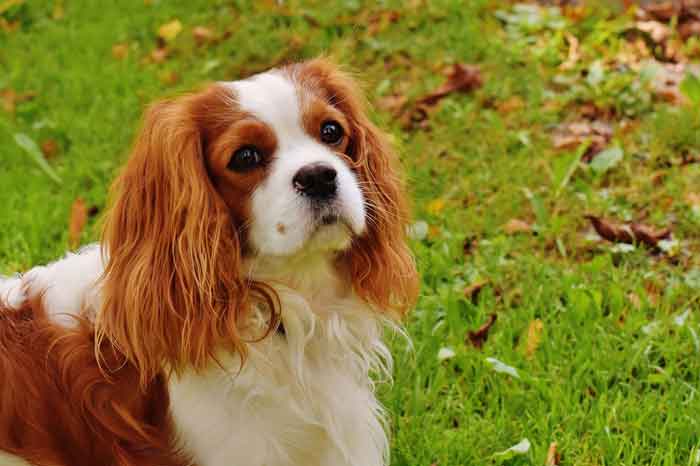
Cavalier King Charles Spaniels have a calm temperament that makes them unusually easy to live with. They’re not wound tight. They don’t demand constant stimulation.
They’re easy to train and settle into different environments quickly, which is part of what makes them great dogs for first-time owners. They also have an adventurous streak and genuinely enjoy being around people, so they won’t sulk in the corner while you have guests over.
Their affectionate nature is probably their best quality. They respond well to praise, and they’re patient in a way that’s not common in dogs. That patience makes early training sessions far less frustrating.
This breed reaches about 13 inches in height and weighs 13 to 18 pounds. Their coat is long and silky, and it needs daily brushing to stay tangle-free.
Use a brush with medium bristles. It stimulates the hair follicles and spreads the skin’s natural oils evenly across the coat, which keeps it looking healthy between baths.
3. Golden Retriever
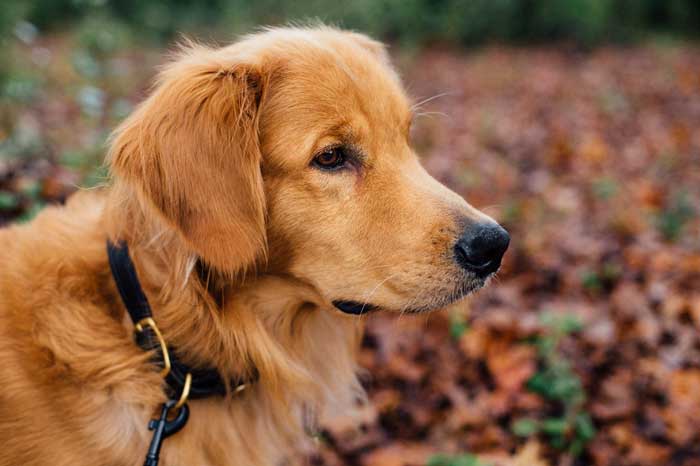
Golden Retrievers are probably the most recognizable breed in the world, and for good reason. They hit a balance that’s hard to find: outgoing without being needy, affectionate without being clingy. That makes them one of the best family dogs out there.
They’re also conveniently sized. Not too big, not too small, typically around 23 inches tall and 65 to 75 pounds.
Goldens are friendly, trainable, and smart. They pick up on routines fast, which makes your life as a new owner considerably easier. They’ll adjust to your schedule rather than fighting it.
Don’t let their sofa-lounging fool you. Goldens love lying next to you, but they’re one of the more active breeds. They need a couple of walks each day, and playtime on top of that earns you serious points with them.
That shiny double coat needs consistent attention. You’ll want to brush their coat frequently to prevent matting and reduce the shedding around your home.
4. Greyhound
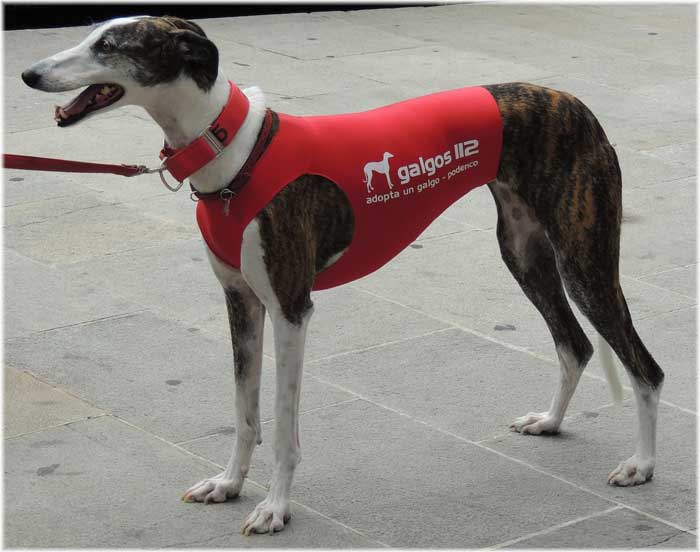
Greyhounds look athletic because they are. High energy, built for speed. But there’s a gentleness underneath that surprises most people who haven’t owned one.
They’re even-tempered and steady. Not easily rattled. That calm baseline is one of the reasons they work well for first-time owners despite their size.
Greyhounds adapt to new environments without a lot of fuss, which makes training and daily management easier than you’d expect from a breed this big.
Coat maintenance is almost nothing. They only need a bath once or twice a year. A quick weekly wipe-down with a soft brush handles everyday dirt, and a steel comb takes care of any matting in the undercoat. That’s the full grooming routine.
They weigh 55 to 90 pounds and stand around 28 inches tall. Big dogs, but clean and quiet in the house.
5. Labrador Retriever
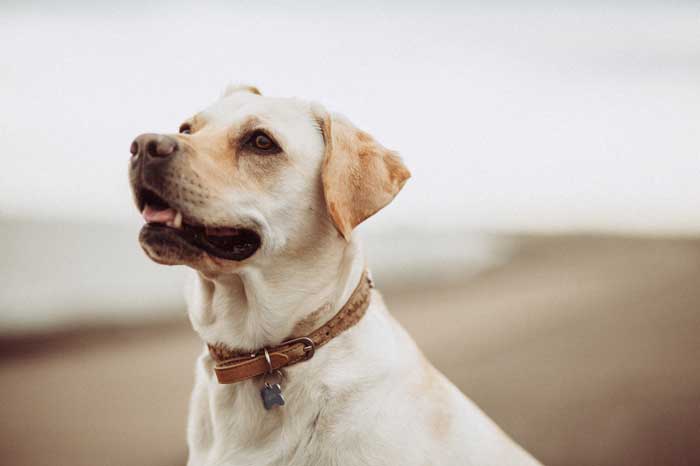
Labrador Retrievers are social in a way that’s hard to overstate. They want to be near people, they’re easy to train, and they don’t make unnecessary drama. That combination makes them one of the most practical picks for anyone getting their first dog.
Labs need more exercise than Goldens. They’re an active breed, and they mean it. A couple of short walks won’t cut it for most Labs.
They’re curious and love learning new things. Despite weighing 65 to 80 pounds and standing around 23 inches tall, they fit into most living situations without major problems. Their size is deceiving because they’re not clumsy about it.
Keep them physically and mentally busy. A bored Lab will find its own entertainment, and you probably won’t like what it chooses. This is especially true with younger dogs.
Labs love food. They’ll overeat if you let them, so keep portions measured and consistent.
Their short coat is one of the low-effort parts of owning a Lab. A brush once or twice a week keeps shedding manageable and the coat clean.
Short on time? Jump straight to the Rocco & Roxie enzyme cleaner
6. Papillon
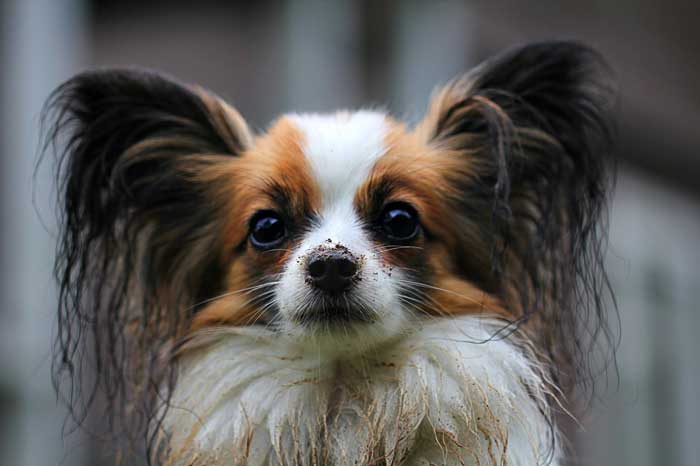
Charming, cuddly, and small. That’s the first impression. “Papillon” is French for butterfly, named for the ears, which fan out like wings. It’s a fitting name for a breed that’s impossible to ignore.
Get to know one a little better and you’ll find there’s a lot more going on under the surface.
Papillons have two distinct modes. On the sofa, they’re the cute, compact lap dog who wants to be near you. Outside, they turn into something faster and more spirited. They’re known for their agility, and they take it seriously at playtime.
These little dogs make excellent lap dogs. They love to snuggle with you on the sofa.
They’re also feisty and full of energy. These small dogs wouldn’t mind going on a run with you or playing fetch for a solid hour. They don’t need enormous amounts of exercise to be content, but they’re up for it when you are.
Training a Papillon works best when you lead with affection and praise. Give their personality room to show and they’ll follow you just about anywhere.
First-time owners will appreciate the grooming requirements here: they’re minimal.
Papillons stand 8 to 11 inches tall and weigh 4 to 9 pounds.
7. Pomeranian
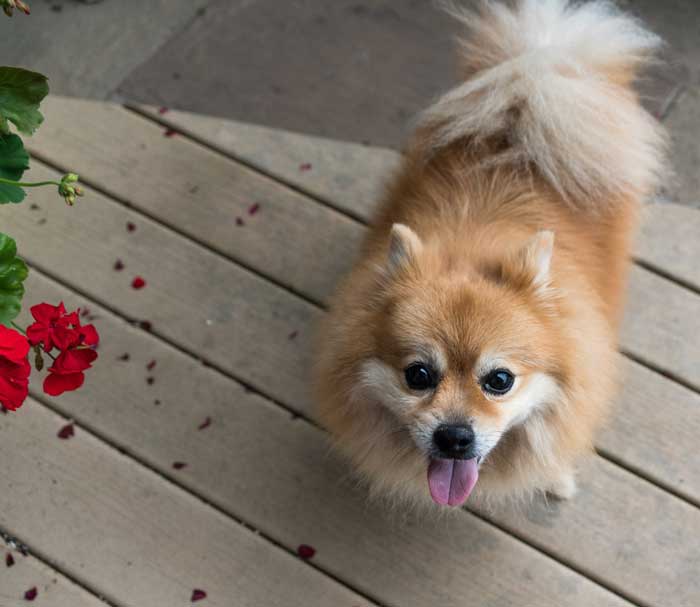
Pomeranians have a personality that doesn’t match their size at all. They’re sociable, friendly, and genuinely enthusiastic about life. They want to be involved in what you’re doing. All of it.
For one of the most energetic breeds around, they don’t look the part. Pomeranians stand 7 to 12 inches tall and weigh no more than 7 pounds. Compact, but constantly moving.
That fluffy double coat looks great but takes work. You’ll need to brush it at least three times a week to keep it in good shape and control the shedding. Pomeranians are heavy shedders and you’ll know it.
The shedding peaks in fall and spring when they blow their coat. During those stretches, daily brushing isn’t optional.
8. Poodle
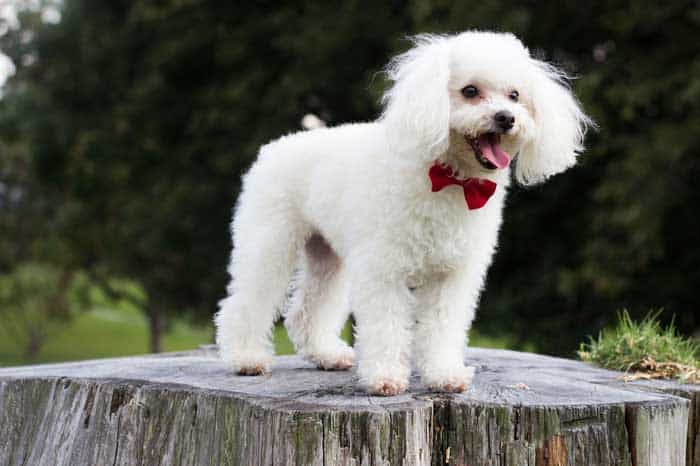
Poodles are hard not to love. Wide eyes, distinctive haircuts, and three sizes to choose from depending on what fits your life.
Toy
Toy poodles thrive on praise and affection. They top out around 10 inches tall and need both physical activity and mental stimulation to stay content.
Miniature
Miniature poodles are clever but sensitive. They startle more easily than other poodle sizes, and they’ll flinch if you reach toward them unexpectedly. They can reach up to 15 inches in height.
Standard
Despite their composed appearance, standard poodles are protective of the people they live with. They’re obedient, smart, and playful. They stand no more than 20 inches tall.
Whichever size you go with, you’re getting a genuinely friendly dog that works well for first-time owners. Poodles are versatile. They train easily, they have steady temperaments, and they’re happy both exercising with you and sitting next to you on the couch.
They need regular physical activity, but mental exercise matters just as much. Leave a poodle bored long enough and it will let you know.
Their curly coat keeps growing and needs regular grooming appointments to stay manageable.
The upside: poodles shed very little. If you have allergies, that’s not a minor detail.
9. Pug
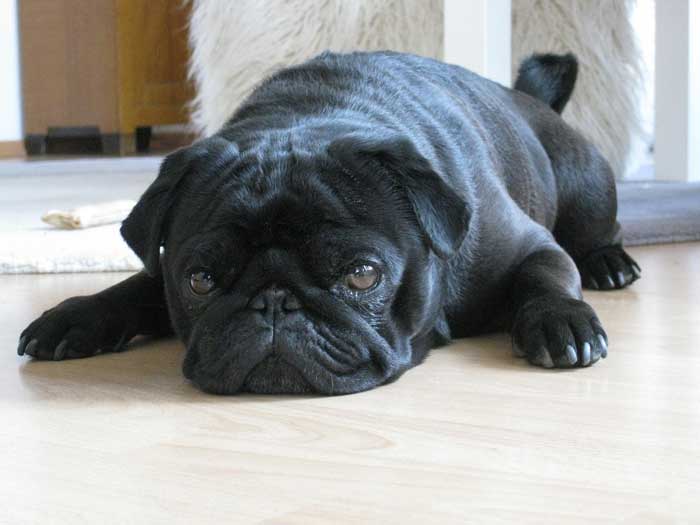
Pugs are in a category of their own. They make a genuinely good first pet, and not just because of the wrinkles.
They’re intelligent but docile, which is a rare combination. They can also be a bit stubborn. Not aggressive, just decided about things. Early training helps more than people realize with this breed.
Daily walks plus some playtime keeps them physically and mentally satisfied. They’re not high-energy dogs, but they still need to move.
Their coat is short and dense, which makes brushing quick and easy. A couple of times a week is the minimum to stay ahead of the shedding.
Don’t let the short coat mislead you. Pugs are among the heavier shedding breeds. Their shed cycle runs faster than most other dogs, so you’ll see hair year-round rather than in seasonal bursts.
They reach 13 inches in height and weigh up to 18 pounds.
10. Yorkshire Terrier
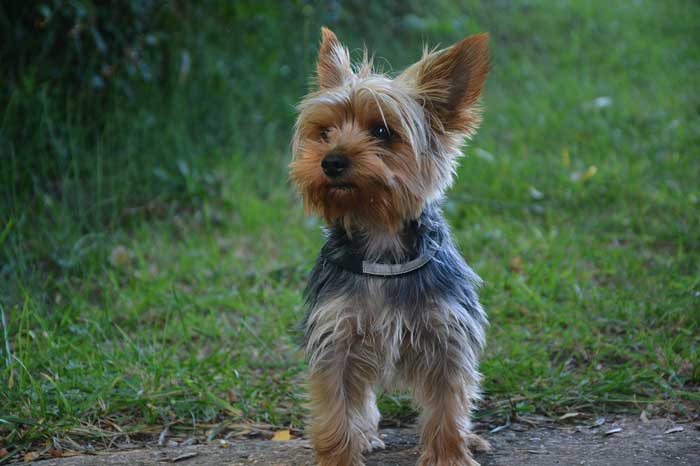
Yorkshire Terriers, Yorkies if you prefer, have a streak of independence that’s unusual for a dog this small. They top out at 9 inches tall and weigh around 7 pounds, but they don’t act like it.
That independence can seem strange to someone who’s never owned a dog before. But it’s actually a relief. Yorkies don’t require constant reassurance. They do their own thing and come to you on their terms.
Compared to needy or high-strung breeds, they’re a solid fit for first-time dog owners. A daily walk keeps them happy. They don’t need hour-long runs or constant activity to stay content.
They’re smart, curious, and friendly. They love being cuddled when they want it, and they’re easy enough to manage day-to-day that training doesn’t become a battle.
Their coat needs a gentle brushing once or twice a week, depending on how long you keep it. Regular brushing prevents tangles and keeps that silky coat looking sharp.
Tips for First-Time Owners
The Kennel Club recognizes 218 pedigree breeds. Some of them are excellent starting points for new owners. Others will make your first year miserable. Knowing each breed’s profile before you commit makes the difference.
Your lifestyle matters just as much as the dog’s temperament. Think about what changes when a dog enters your daily routine: your mornings, your travel plans, your budget, your apartment lease.
A few things to sort out before you bring a dog home:
- Decide on the best size for your dog
- Plan a budget for dog food, toys, accessories, and visits to the vet
- Set aside time for daily walks, playdates with other dog friends, and regular playtime
- Learn the best ways to train your dog
- Schedule grooming and trimming appointments
- Make your home dog-friendly
A dog depends on you for everything: food, exercise, bathroom breaks, companionship. That’s a real commitment, not a weekend one.
Give yourself and the dog time to settle. The first few weeks will feel awkward. That’s normal. Eventually you’ll find a routine that works for both of you, and it’ll start to feel natural rather than like a checklist.
Final Thoughts
Dogs require real care, around the clock. That’s not a warning meant to discourage you. It’s just the baseline to understand before you pick a breed.
The best dogs for first-time owners share a few traits: manageable temperaments, a willingness to train, and enough flexibility to fit into a new owner’s unpredictable schedule.
Pick one that fits your actual life, not an idealized version of it. Use this list as your starting point and go from there.
Resources
- Common Mistakes Of First-Time Dog Owners by Cesars Way
- First-Time Dog Owner Guide by Dog’s Best Life
Frequently asked questions
What is the easiest dog for a first-time owner?
Breeds that are eager to please and forgiving of beginner mistakes, like a Labrador, Poodle or Cavalier, tend to be the smoothest first dogs.
Should a first-time owner get a puppy or an adult dog?
An adult is often easier. What you see is what you get on temperament and energy, and most are already house-trained.
How much does a first dog cost in the first year?
Budget roughly 1,500 to 3,000 dollars once you add food, vet visits, gear, training and the unexpected. The adoption fee is the small part.
Google lets you pick which sites come up first in your own results.