


A quick note: a few links below are affiliate links. Buy through one and we may earn a small commission. It never costs you more, and we only point to gear we'd actually put in front of our own dogs. As an Amazon Associate I earn from qualifying purchases.
Quick answer
German Shepherds are among the smartest and most trainable dogs alive, loyal and naturally protective, which is why roughly 3.5 million of them live in the United States. The costs are real: heavy year-round shedding, high exercise and mental-work needs, a strong tendency toward separation anxiety, and hip and elbow dysplasia that runs in the breed. Good dog for an active owner with time, bad one for anybody out of the house all day.
If a new puppy is on your mind, odds are the German Shepherd has crossed it. They are smart, capable working dogs, and they pour a lot of energy and affection into the families lucky enough to keep up with them.
No dog is perfect. Every breed comes with a trade-off, and the trick is matching those trade-offs to how you actually live, not the life you wish you had.
So what are the real German Shepherd pros and cons? Let’s get into it.
German Shepherd Dog Breed Facts
German Shepherds rank among the most popular dogs on the planet, with roughly 3.5 million of them in the United States alone. The breed, also called the Alsatian, came out of Germany in the late 1800s as a strong, sharp herding dog.
One of the first to reach the States arrived right after World War I and ended up in show business. From there the breed climbed fast, eventually becoming a household name and a foundation for several other working lines.
Guard work is only the start. Their brains made them movie regulars, but the same intelligence lets them guide the blind, track suspects, sniff out drugs in airports and malls, comfort hospital patients, and still herd sheep when asked.
After 9/11, German Shepherds worked the rubble as search dogs. They found survivors. They also steadied the rescue crews who needed a moment with a calm animal.
American German Shepherds aren’t quite the same as their German cousins. The American lines have settled more into family life and tend to read a little softer day to day.
In Germany the dogs are bred for work, and they have to clear a battery of tests for physical and mental fitness before they earn a place in the breeding pool. So when you bring home a puppy, where its parents came from shapes a lot of what you’ll get.
Most live to around 10, and some push to 14 with good care. Males top out near 90 pounds, females closer to 70. This is an alert, busy dog, and that doesn’t suit everyone.
Bottom line, a German Shepherd is a smart pick if you actually understand how the breed ticks. Be the right owner and you’re signing up for years of a deeply loyal dog.
German Shepherd Pros and Cons
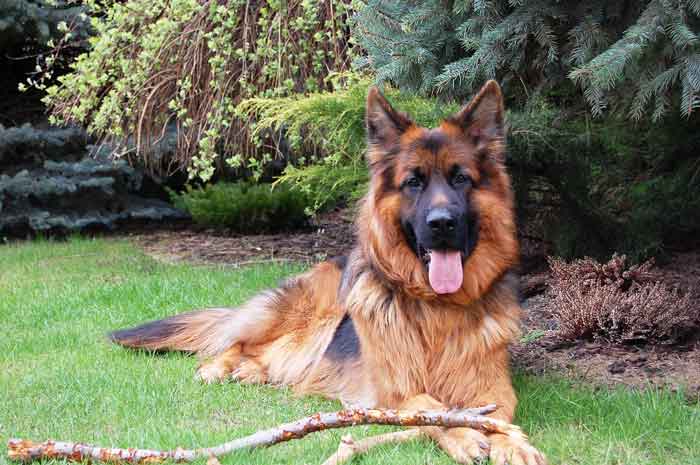
Two dogs from the same litter can turn out wildly different, so treat the list below as tendencies, not guarantees. With that said, here are the pros and cons that show up most often in the breed.
German Shepherds Pros
This is a loving, devoted companion. Here’s what tips the scale toward getting one.
1. Strong body
Herding sheep takes muscle, and the German Shepherd has it. That raw strength is exactly why you see the breed pulling real jobs instead of lounging on a porch.
Police and military units lean on them because they can chase down a suspect and not run out of gas. The herding history shows up in how much work this dog can take on without quitting.
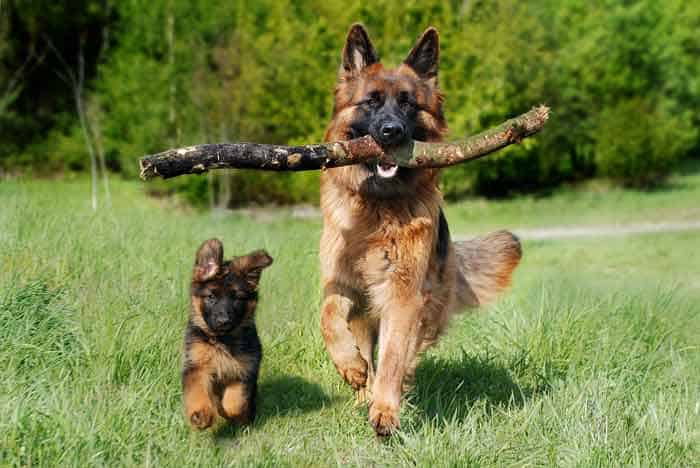
If you run, you’ve found your partner. A Shepherd thrives on daily walks and a real play session, and it would rather be moving than sitting.
Frisbee is a favorite. It burns energy, and kids and adults both get a kick out of watching a Shepherd leap for the catch.
2. Long Life Span
German Shepherds can reach 14. The later years bring the usual aches, but once you know your dog’s patterns, those years are some of the best you’ll share.
Stay on top of vet visits, feed them well, and keep them moving, and you’re set up for a long, healthy run. Some health issues creep in with age, same as any breed, but none of that is a surprise.
3. Intelligent
Look at everything this dog handles for a living and the intelligence speaks for itself. Owners and trainers alike put the German Shepherd near the top of any smarts ranking, and it’s earned.
A clever dog is an easy roommate. It listens, it stays out of trouble, and it generally figures out what you want before you finish asking.
4. Easy to Train
From police K9 units to mobility assistance, there’s almost nothing this breed can’t be taught. A Shepherd wants a job. Leave it without one and you’ll get a bored, mopey dog that finds its own projects, usually destructive ones.
German Shepherds were the first service dogs used in the United States. They went on to assist people who were blind, deaf, or living with seizures. Dogs can detect epileptic seizures 45 minutes before they occur.
The breed also excels at search and rescue, pulling people from collapsed buildings and avalanche debris. If trouble shows up, your dog will let you know.
It isn’t just that they learn fast. They want to please you, which means the ceiling on what you can teach a Shepherd is high.
5. Obedient
These dogs grasp the rules and stick to them. That reliability is why they clean up at agility and obedience trials, where following a handler under pressure is the whole game.
To get that obedience, you have to be the one in charge. Your Shepherd will follow a confident leader, so set clear expectations early and stay consistent. Do that and you’ll find the breed genuinely wants to cooperate.
6. Loyal
Loyalty is the headline trait. A German Shepherd will put itself between you and danger, and it forms a serious protective bond with its people.
The breed is friendly but slow to trust a stranger. Earn that trust as a puppy and you’ve got a companion for life.
Every hour you put in early comes back to you later. Your Shepherd will usually pick out the main caretaker in the house and treat that person with a fierce mix of love and respect.
7. Great Guard Dog
A Shepherd is a wonderful family dog and a wary one with strangers. That guarded streak makes a strong guard dog, and yes, the dog can get a little sharp if it reads a real threat.
It’s intensely protective of its owner. With a powerful jaw and zero hesitation when you’re in danger, this is the dog you want if you live alone and want something watching the door.
The German Shepherd is brave and steady, but too smart to pick a fight for no reason. It learns commands quickly, which means a good guard dog and a controlled one, not a loose cannon.
8. Beautiful
The looks don’t hurt either. A smooth, full coat, dark expressive eyes, and those upright ears give the breed an alert, watchful face that still reads as kind.
Pair that with the gentle-but-powerful build and you get a strikingly handsome dog. The puppies are almost absurdly cute, and the adults hold that good looks well into old age.
9. Various Colors
You’ve got options on color. Black and tan is the classic, but the breed also comes in black and cream, black and red, blue, gray, sable, and even solid white.
The American Kennel Club doesn’t recognize white as a standard show color, so a white Shepherd won’t compete, but you can absolutely own one if that’s the look you love.
10. Clean
Keeping a Shepherd clean is easy. There’s no strong doggy odor, and they don’t need frequent baths.
Four to six baths a year covers it. Wash them more than that and you strip the natural oils from the coat, which leaves the hair dry and actually makes shedding worse.
Bathe your dog when it rolls in mud or genuinely needs it. Use a mild dog shampoo and a good brush to work out the mats, tangles, and knots.
11. Withstands Different Weather Conditions
Plenty of dogs wilt in heat or shiver in cold. Not this one. The German Shepherd takes the seasons in stride and rarely lets weather slow it down.
That toughness is a quiet perk. Traveling with a Shepherd is simple, because you can bring it almost anywhere without fussing over the forecast.
German Shepherds Cons
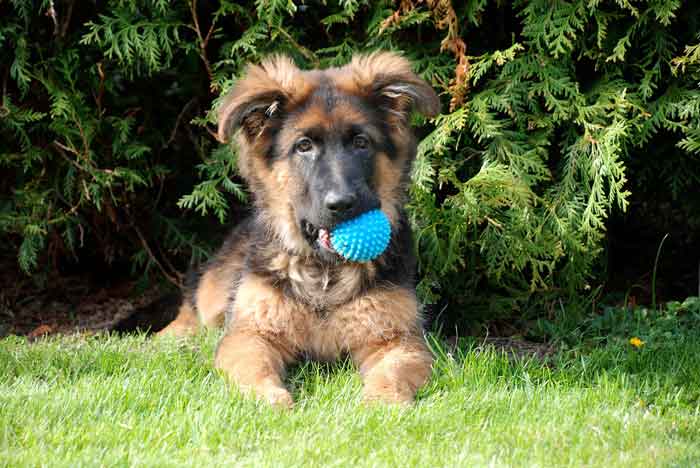
For all its strengths, the German Shepherd comes with a handful of real drawbacks. Know them before you commit.
1. Needs a Lot of Exercise
Want a couch dog? Keep looking. German Shepherds need serious daily exercise, they love to run, and they want long play sessions. If yours lives in an apartment, you’re committing to regular walks, no excuses.
Skip the exercise and you’ll see it in their mood, either edgy or flat and depressed. Give a Shepherd its physical outlet every day and you keep it healthy while heading off the barking and chewing that boredom breeds.
2. Don’t Like Being Left Alone
Smart dogs feel things. The German Shepherd is sensitive and hates being on its own, and it can slide into separation anxiety when you leave it for long stretches.
This is a family dog through and through. It wants to be in the mix with everyone at home, so a household that’s empty most of the day will leave a Shepherd bored and low. They need the company.
Dogs that suffer from separation anxiety when left alone too long will chew furniture, and Shepherds are no exception. Add barking and some pushy behavior to the list. A dog that’s under-exercised and ignored will tell you so by tearing things up.
3. Health Problems
Like a lot of large breeds, German Shepherds are prone to hip dysplasia, and it tends to worsen with age. It’s painful, and it can rob a dog of the ability to move comfortably.
The breed can also suffer from epilepsy, which brings on seizures. This is the case for buying from a responsible breeder, because good lines screen out a lot of the worst health surprises.
Gastric Dilatation-Volvulus, better known as bloat, is another threat in the breed. It often hits when a dog gulps a lot of water right after eating, or exercises hard on a full stomach.
The stomach fills with gas and twists, and the pain comes on fast. Left untreated, blood can’t make it back to the heart and the dog goes into shock. This one is a true emergency, so learn the early signs.
Dental trouble is rare, since Shepherds chew so much, but the ears are a weak spot for infection. Check them once a week and you’ll catch problems before they settle in.
4. They Shed a Lot
That gorgeous coat has a cost. A typical German Shepherd carries a dense, medium-length double coat built to shrug off rain, snow, and dirt, and the outer hair can run straight, wavy, or slightly curly.
Here’s the catch. Shepherds shed year-round, so a vacuum that actually handles pet hair and dander stops being optional.
On top of the steady shedding, the dog blows its entire undercoat twice a year, and that’s a lot of fur in a short window. Regular grooming is your defense. Brush three or four times a week, and during a blowout, daily, to stay ahead of it.
5. Needs Socialization
Shepherds are naturally edgy around new people. That aloofness is what makes them good guard dogs, but it also means a fresh face can put them on alert until they relax.
Early socialization matters here, the kind that helps your dog overcome their natural fear. A Shepherd is sharp enough to learn good manners by watching how people and other dogs behave, but you have to keep at it so the dog never frightens someone it doesn’t know.
Start young and you’re golden. Raise a Shepherd around other pets, dogs, and kids from puppyhood and trouble rarely shows up. The harder road is adopting an adult, who may be wary or even reactive toward animals and children it wasn’t raised with.
6. Expensive
Unless you adopt from a shelter, the price tag is steep. German Shepherd puppies cost real money, and they need careful early care on top of that.
A pet-quality puppy runs around $1,000. Want show-quality with proven bloodlines? That can climb to $7,000. Then budget another $1,000 to $2,000 a year for food, vet care, and everything else a big dog goes through.
Final Thoughts
Weigh the German Shepherd pros and cons honestly before you bring one home. This isn’t a breed you grow into by accident.
The upside is huge. A German Shepherd is loyal, obedient, and genuinely brilliant, easy to train and wired to put you first.
The catch is what it asks of you. This dog needs your time, plenty of exercise, and a real job to do. Give it those three things and the rest of the list mostly takes care of itself.
Resources
Frequently asked questions
How do I know whether a breed really fits my life?
Be honest about three numbers: hours the dog will be alone, what you will tolerate in shedding and noise, and your monthly budget for grooming and vet care. Breed traits only matter after that.
What cost do new owners underestimate the most?
Grooming and unplanned vet visits. Food is predictable; a poodle coat every six weeks or one emergency X-ray is what actually breaks the budget.
Is a mixed breed healthier than a purebred?
On average yes, mixes avoid some of the inherited problems concentrated in closed gene pools. The trade-off is that adult size and temperament are harder to predict.
Google lets you pick which sites come up first in your own results.