

A quick note: a few links below are affiliate links. Buy through one and we may earn a small commission. It never costs you more, and we only point to gear we'd actually put in front of our own dogs. As an Amazon Associate I earn from qualifying purchases.
Quick answer
German Shepherds can work for a first-time owner, but only the right kind of first-timer. They are smart, trainable and good with kids and other dogs, yet they need serious daily exercise, structured training and a handler who stays consistent. If you are away most of the day or want a quiet dog, pick another breed.
A German Shepherd is a common first choice for people who want a dog that does a lot. Whether it suits a first-time owner depends less on the breed’s reputation and more on your time, your routine and your willingness to train every day.
Short answer: it can work, for a first-timer who will provide daily exercise, early socialization and consistent training. The American Kennel Club describes the breed as highly intelligent, very active and extremely bonded to its people, which means it needs a lot from the person who owns it. See also our guide to guard dogs for first-time owners.
The Breed at a Glance

Figures below are from the AKC breed page:
- Height: 24 to 26 inches for males, 22 to 24 inches for females
- Weight: 65 to 90 pounds for males, 50 to 70 pounds for females
- Life expectancy: 12 to 14 years
- Group: Herding
- Colors: the AKC lists several, including black, black and tan, black and red, sable, gray and white
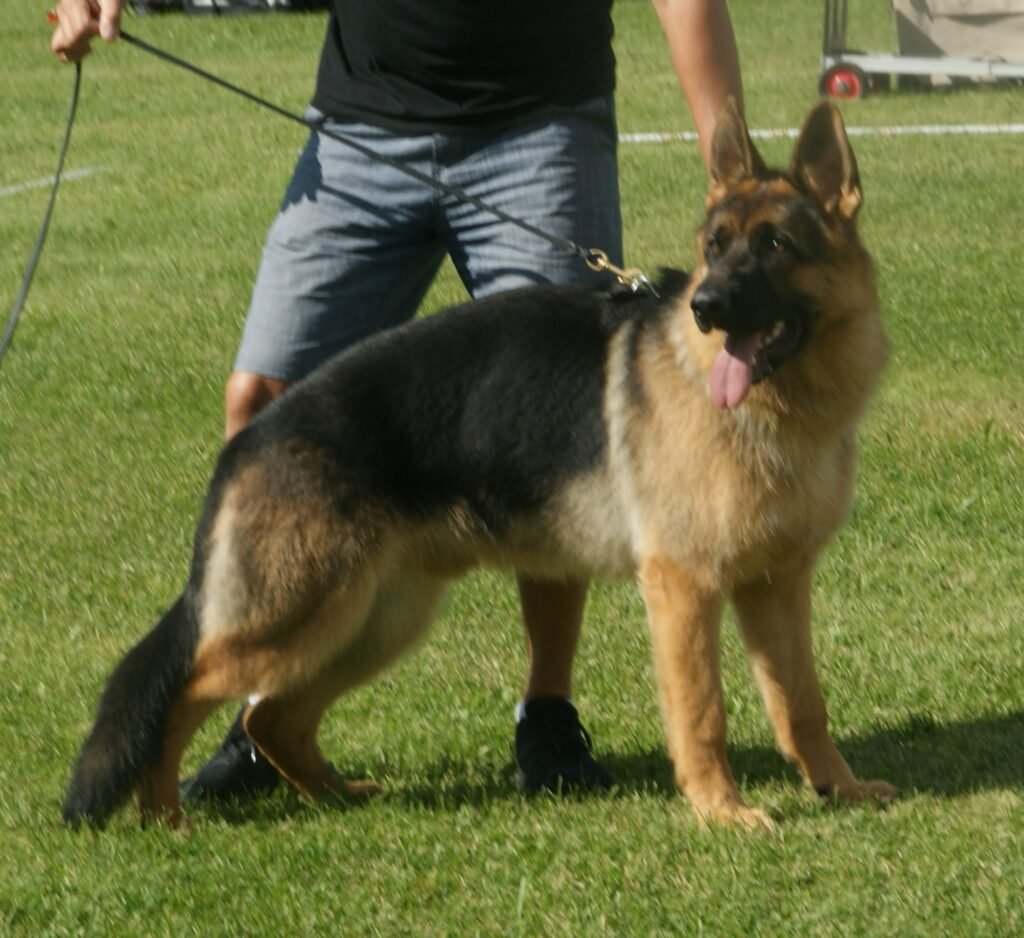
The AKC calls the German Shepherd “generally considered dogkind’s finest all-purpose worker,” a large, agile, muscular dog of noble character and high intelligence. It says experts name character as the defining trait: loyalty, courage, confidence, the ability to learn commands for many tasks, and willingness to defend loved ones.
What Works for a First-Timer
1. Trainability
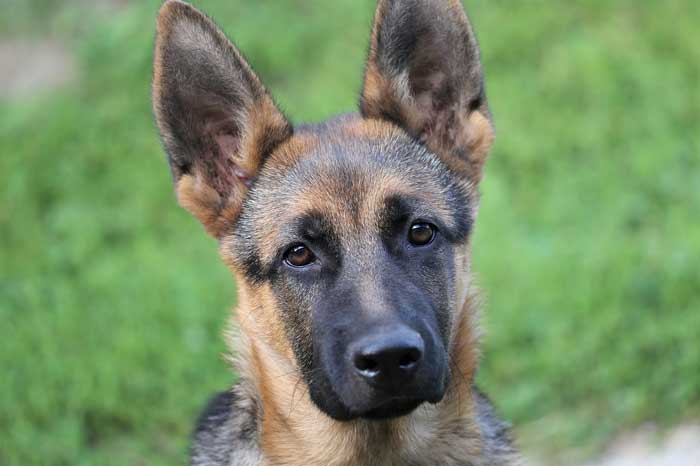
The AKC calls the German Shepherd a highly intelligent companion and an extraordinary worker, and says consistency and positive, reward-based training yield excellent results. It adds that the breed is used as police dogs, service dogs, agility dogs, obedience dogs and sentinels, and that high trainability and loyalty make it an excellent choice for many jobs.
2. A close family dog
The AKC says the breed is extremely bonded to its people, happiest when it lives with the family, and should be raised in the household and exposed to family activities. It says German Shepherds will be gentle family pets and steadfast guardians, but that the breed standard describes a certain aloofness that does not lend itself to immediate and indiscriminate friendships. The AKC also says the dog is not pugnacious, as its reputation suggests, though a bold fighter if need be. Supervise any dog around young children, as the AKC advises for all breeds.
3. Health
The AKC says most German Shepherds are healthy, and that a responsible breeder screens breeding stock for degenerative myelopathy and for elbow and hip dysplasia. The national breed club recommends hip and elbow evaluations and a temperament test. The breed can also experience bloat, a sudden and life-threatening swelling of the abdomen, and the AKC tells owners to learn the symptoms. The AKC article on hip dysplasia describes hip dysplasia as a common skeletal condition often seen in large and giant breeds, though it can occur in smaller ones.
What Makes It Hard for a First-Timer
1. Exercise and activity
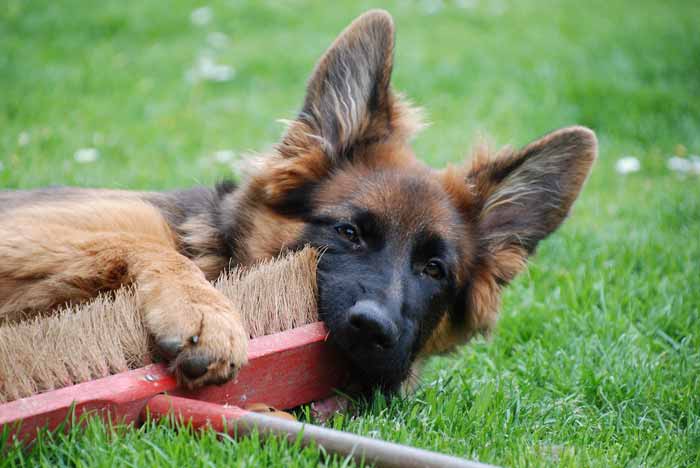
The AKC says the German Shepherd is very active and athletic and requires lots of exercise for its physical and mental well-being. A dog that is not exercised enough becomes frustrated and likely to develop undesirable behaviors. It recommends agility, herding, tracking or dock diving for both physical and mental exercise, and says not to let the dog off leash, since even the best-trained dog can become distracted and ignore commands.
2. Training from the first week
The AKC calls early socialization and puppy training classes vital, with continuing obedience training to produce an adaptable, well-mannered adult. For a first-time owner, that means signing up for classes at the start rather than waiting for problems.
3. Shedding and grooming
The AKC describes a medium-length double coat, a dense, harsh outer coat over a softer undercoat. It says a quick brushing every few days is usually enough, but the breed sheds more profusely once or twice a year, when more frequent brushing helps keep hair off the house and furniture. Nails should be trimmed or ground monthly if they do not wear down naturally.
4. Time at home
Because the AKC says the breed is happiest living with its family, a job that keeps you out all day is a poor match. See leaving a dog home alone while at work. We have no source that gives a safe number of hours for this breed.
5. Cost
Neither the AKC nor the other sources we checked publish a price for a German Shepherd, so we do not quote one. Ask breeders for what they charge, and ask what health screening the parents have had.
Frequently Asked Questions
Are German Shepherds a good first dog?
Is a German Shepherd easy to train?
How long do German Shepherds live?
Do German Shepherds shed a lot?
How much exercise does a German Shepherd need?
Final Thoughts
A German Shepherd can be a first dog if you will exercise it daily, start classes early and keep training consistent. If your days are long and your free time is thin, a calmer breed is the safer first choice. Compare options in best dogs for first-time owners.
Sources
- American Kennel Club, German Shepherd Dog breed page
- AKC article on hip dysplasia
Google lets you pick which sites come up first in your own results.