

A quick note: a few links below are affiliate links. Buy through one and we may earn a small commission. It never costs you more, and we only point to gear we'd actually put in front of our own dogs. As an Amazon Associate I earn from qualifying purchases.
Quick answer
Sudden odd behaviour usually traces back to illness or pain, an injury, boredom, a change of home or routine, a diet that does not sit right, or something that frightened the dog. Two signs are urgent rather than curious: head-pressing against a wall and walking tight circles are neurological and need a vet the same day. Scooting, yawning, panting, digging and eating poop are common and rarely serious on their own.
Your dog has been solid for years, then one day it starts doing something that makes you stop and stare. Biting at nothing. Scooting across the rug. Walking the same tight circle in the kitchen. Odd stuff, and it gets in your head fast.
So why is my dog acting weird? It usually comes down to a handful of things: illness, an injury, plain boredom, a new house or new face in it, a diet that doesn’t sit right, rough handling, or a routine that got shuffled around.
Below I’ll walk through the strange behaviors owners ask about most, what tends to be behind each one, and the practical thing you can actually do next.
Is My Dog Acting Strange?
Start by being honest about whether the behavior is genuinely off or just new to you. Those are not the same thing.
Plenty of owners panic over something completely normal, and plenty more can feel that something is wrong without being able to name it. A two year old Lab that suddenly won’t settle at night is telling you something. A puppy gnawing your sleeve probably isn’t.
So let’s go through the behaviors people flag most often, with what each one tends to mean, so you can sort the real red flags from the noise.
1. Biting
Puppies bite. That’s how they figure out the world and how hard is too hard. A mouthy eight week old is on schedule, not broken.
Expect some teeth during training and play. The thing to watch is biting that shows up outside those moments, or with no trigger you can spot. That’s when it crosses into odd.
Sort it out early. A nip from a 12 pound pup is a lesson. The same habit on a 70 pound adult is a problem you’ll wish you’d handled at 12 weeks.
In grown dogs, biting usually traces back to fear, anxiety, or aggression. Finding the why is step one toward fixing it. If you can’t get a handle on it, loop in your vet before it escalates.
2. Stinky Dog Breath, More Than Usual
Nobody expects mint. But there’s regular dog breath, and then there’s the kind that clears a room and didn’t used to.
A real shift in how your dog’s mouth smells can point to something deeper, like a gut problem or liver disease, or kidney disease. Those bring a heavy, foul smell. A sweet, almost nail-polish-remover scent is different, and it can flag canine diabetes. Either way, that’s a vet conversation, not a breath-mint one.
3. Eating Their Poop
Gross, yes. Normal, also yes. The clinical name is coprophagia, and puppies often pick it up watching their mother clean the litter. It’s copying, not malice.
It tips into weird when it sticks around as a habit. At that point, book the vet. Sometimes it’s a diet that’s short on something, and the fix is in the bowl rather than in correction.
4. Going Round in Circles
A dog chasing its tail is a regular Tuesday. A dog pacing the same loop with no tail in sight is not. If the circling keeps happening, look at things like a headache or an ear infection first.
It can also run more serious. Idiopathic vestibular syndrome throws off balance, and it shows up most in older dogs. A brain tumor is the rare, scary end of the list. If your dog is circling more than usual and isn’t actually going for its tail, get it seen.
5. Yawning
Here’s where dogs and people part ways. A dog yawn often isn’t about being tired. When your dog yawns a lot around new people or in a busy spot, read it as stress or nerves, not boredom.
Go slow with introductions. Let your dog approach on its own clock and never push an interaction before it’s ready. Forcing it just teaches the dog that new people mean pressure.
6. Panting
Dogs dump heat through their mouths since they can’t really sweat. Heavy panting on a hot August afternoon usually just means your dog is cooking and needs shade and water.
But panting can also mean pain, especially when it shows up at rest in a cool room. Context is everything. Panting with no heat and no exercise behind it earns a closer look.
7. Digging
Outdoor digging has a long list of reasons: stashing a prize, following the scent of something that crossed the yard, or carving out a cool spot to beat the heat. Terriers and Dachshunds were literally bred to go underground, so for some breeds this is wiring, not misbehavior.
Indoor digging counts too. That scratching and pawing at the blanket or couch cushion before your dog flops down? Normal. It’s just building a nest before a nap.
Once it starts wrecking your furniture or running nonstop, that’s your cue to bring in a trainer.
8. Scooting
Scooting is the butt-drag across the floor, rugs especially. Usually it means the back end is irritated or your dog needs to go.
If the scooting doesn’t quit after a poop, think allergies, or full anal glands, which is the classic culprit in small breeds. Everyone’s first guess is worms, but honestly that’s one of the least likely answers.
A dog that’s eaten grass may be straining to pass it, and the scoot is a sign of a rough trip through the gut.
Add some fiber to help. A little chopped cucumber or a spoon of plain cooked pumpkin keeps things moving and often settles the scooting on its own.
9. Pushing Their Head Against the Wall
This one isn’t a wait-and-see. If your dog presses its head into a wall or corner and holds it there, go to the emergency vet now. Head pressing is a known sign of serious trouble, from brain disease to toxic poisoning. Don’t sit on it.
10. Improper Urination
A house-trained dog peeing indoors is rarely about manners. More often something inside has gone sideways, and that means a vet appointment sooner rather than later.
Keep an eye on the pattern. Sudden frequent urination can signal a urinary tract infection, canine diabetes, or, in a senior dog, the early creep of dementia. The frequency tells you more than the accident itself.
Why is My Dog Acting Weird?
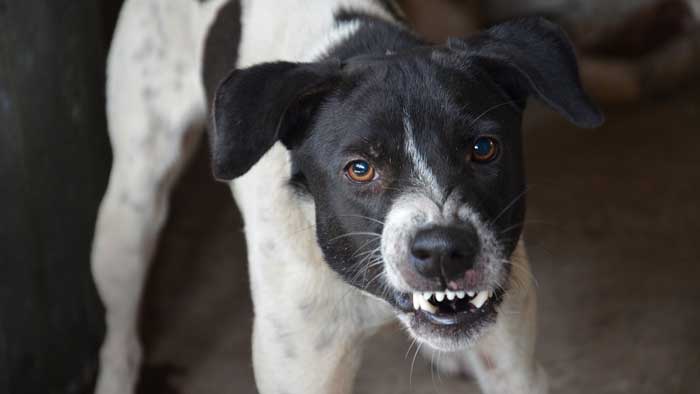
When your dog turns strange overnight and nothing obvious explains it, the cause is almost always somewhere on this list.
Health Issues
Here’s the thing a lot of owners skip right past: a dog acting out of character is often a sick dog. Maybe it’s first-timer inexperience, maybe it’s just hard to picture your buddy being unwell, but illness is the cause that hides in plain sight.
Think about how you act when you’re run down. Short-tempered, sluggish, snappy over nothing. Dogs are no different.
A health problem can show up as any of these:
- Bad mood
- Growling or snapping when touched
- Less social
- Pooping accidents
- Decreased appetite
- Not wanting to drink
- Excessive coughing
- Watery eyes
- Too much scratching
- Dull hair
Common culprits behind a behavior change include sore teeth, an upset gut, arthritis, hip dysplasia, luxating patellas, epilepsy or seizures, ear infections, and skin allergies. A normally easygoing dog that turns cranky or aggressive out of nowhere is one to call the vet about.
Boredom
A dog that isn’t getting enough body or brain work gets bored, and a bored dog invents its own fun. That invented fun is what often reads as weird to you.
Most dogs need more than a lap around the block. A high-drive Border Collie or young Lab can burn through a 20 minute walk and still be wired. Jogging together, off-leash runs in a safe field, real games of fetch, a playdate with another dog: those drain the tank.
The mental side gets forgotten and it matters just as much. Mentally stimulating puzzle toys, or feeding part of the daily ration through a snuffle mat or food puzzle, tires a dog out in a way a walk can’t and keeps it out of trouble.
Check the snuffle mat price on Amazon
A Change in Environment
Shake up your dog’s surroundings and it can throw the dog off. A recent adoption, a new puppy, even a new baby or roommate can leave your dog unsettled and acting strange while it works out the new normal.
Usually this fades on its own. Give it a few weeks, sometimes a couple of months. You can speed it up with steady positive attention: exercise, short training sessions, and play.
If it drags on past that, talk to a vet or a behaviorist.
Stress or Depression
Stress changes how we act, and the same goes for dogs. Much like us, dogs can also act weird if something is causing them stress or anxiety.
The big stressors are predictable: a new pet in the house, a move, or losing an owner or another animal it was bonded to. Grief is real for dogs, and it looks like withdrawal.
Most of the time this lifts in a few days to a few weeks. Same playbook as before, lean into positive attention with exercise, training, and play.
If it sticks around, get a vet or behaviorist involved.
Fear
Sometimes the weird behavior is just fear. The tell is timing. If your dog only acts up during sirens, fireworks, or the jackhammer down the street, fear is your answer.
The fix is to take away whatever is making your dog fearful. When you can’t remove it, like thunderstorms, desensitization training is the long game that actually works.
Diet Issues
What’s in the bowl can be the whole story. Maybe your dog got into food it shouldn’t have, maybe the food is missing the right nutrients, maybe there’s just too much or too little of it.
If you switched foods recently or know your dog raided something off-limits, you’ve probably found your reason. Don’t crash-change the diet to fix it. Ask your vet about the right food and transition it slowly.
Mistreatment
Sometimes someone hurt or scared your dog. Watch for a dog that flinches from certain people, ducks a raised hand, or went quiet and odd right after being around someone who was rough with it. That’s a strong clue.
Keep that person or situation away from the dog and pour on the same steady, gentle attention. If there’s no improvement after a few days or weeks, a behaviorist can help rebuild the trust.
Confusing Normal and Unusual Dog Behavior
New owners trip over this constantly, labeling textbook dog stuff as weird.
Barking, pulling on leash, guarding food, jumping up to say hi, growling at a real threat, digging, rolling in something dead, eating poop, chewing whatever’s in reach, herding, chasing squirrels: all of it is ordinary, and a lot of it is baked into specific breeds.
Which is exactly why the breed has to fit your life. Live in an apartment? Get a dog breed that doesn’t bark much. A Beagle was bred to bay at scent and a Dachshund will sound off at every footstep in the hall, and no amount of training fully erases that.
Genetic Issues
Now and then the behavior is just baked in. A pup that runs aggressive, aloof, or wired from day one may have inherited the temperament straight from its parents.
This is the case for meeting the parents before you buy. If mom is jumpy and dad is reactive, odds are the puppy leans the same way. Temperament travels down the line more than people expect.
Genetics aren’t destiny, though. A solid, early socialization program can take a lot of the edge off a rough hand of cards.
Final Thoughts
Working out why your dog is acting weird is detective work. The two questions that crack most cases: what else changed around the time it started, and exactly when did it start?
Nine times out of ten, that timeline points straight at the event that set it off. Write down the date it began and what was going on that week. Your vet will want both.
Resources
- Weird & Wacky Dog Behaviors by Dogington Post
- 10 Strange Dog Behaviors Explained by VetStreet
Frequently asked questions
Why is my dog suddenly acting strange?
Usually illness or pain, an injury, boredom, a new home or a new face in it, a diet that does not sit right, rough handling, or a routine that got shuffled. Start by working out honestly whether the behaviour is genuinely off or just new to you.
Which odd dog behaviours need a vet straight away?
Head-pressing against a wall and walking tight circles are neurological signs and need a same-day appointment. A sudden change in how or where the dog urinates is worth a call rather than a wait.
Is scooting or eating poop something to worry about?
On their own, rarely. Scooting usually points at full anal glands or worms, and eating poop is more often a habit than an illness. Both are worth raising at the next visit, neither is an emergency.
Google lets you pick which sites come up first in your own results.