

A quick note: a few links below are affiliate links. Buy through one and we may earn a small commission. It never costs you more, and we only point to gear we'd actually put in front of our own dogs. As an Amazon Associate I earn from qualifying purchases.
Good dogs are easy company. They put up with toddlers, they make you laugh on a bad day, and they ask for almost nothing back.
Apartment life complicates the picture. You worry about the noise, the floor space, the neighbor who hears every bark through the wall. That worry is fair, and it also rules out fewer breeds than people think. Below is my shortlist of the best dog breeds for first-time owners in apartments, with the honest trade-offs that come with each one. For more on this, our article on the mistakes that trip up most first-time owners is worth a look.
Here are the candidates.
1. Affenpinscher
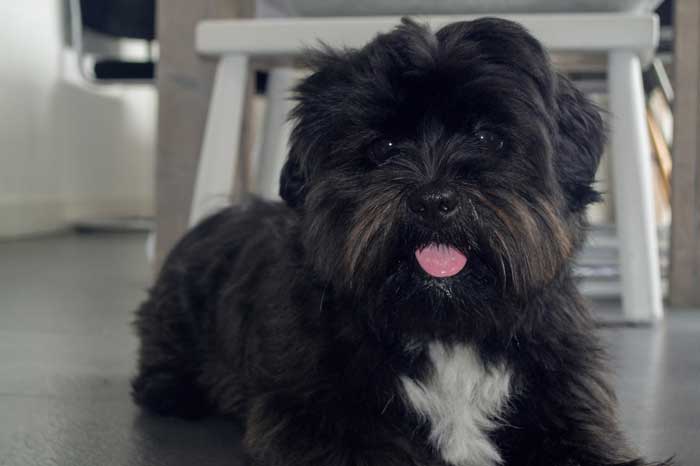
The Affenpinscher suits people who have never kept a dog. It is small, roughly 7 to 10 pounds, and it carries itself like a much bigger animal. That confidence makes it fun, not fragile.
Short on time? Jump straight to the Rocco & Roxie enzyme cleaner
Affens are clever, so training sessions feel like a game to them. Keep them short. A bored Affen invents its own entertainment.
The wiry coat sheds very little and the breed rarely drools, which is a real perk in a small space. You still have to brush it. The common first-timer mistake is skipping that, then paying a groomer to shave out the mats.
One caution. An Affenpinscher is not the right pick for a home with infants or crawling toddlers. It bonds better with older kids and adults who respect its space.
What Makes an Affenpinscher Good for First-Time Owners
- It adapts well to apartment living
- A friendly dog breed
- Has a unique personality
- Playful and smart
- Hypoallergenic
- Low tendency to bark or howl
2. Basenji
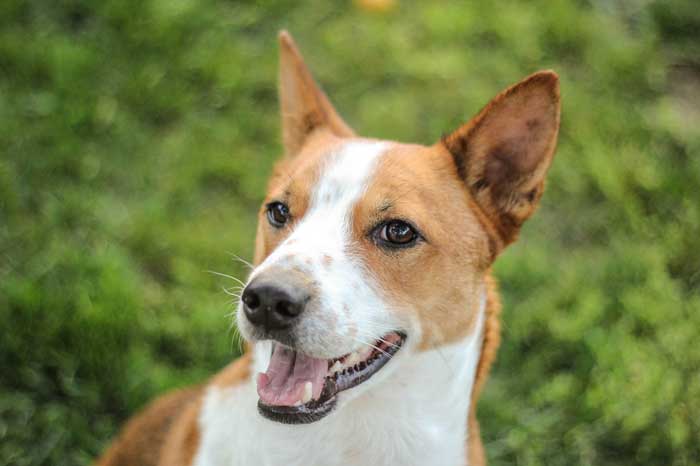
The Basenji is sharp. Sharp enough to be stubborn, which makes training a negotiation rather than a command. Plenty of owners love that about it.
It also barely barks. The breed is famous for it. Instead of barking it makes an odd yodel, so you can keep a Basenji in an apartment without dreading the noise complaints.
A Basenji plays, but with a cool, almost feline attitude rather than goofy abandon. The short coat sheds little and the dog grooms itself like a cat. If you want a tidy, low-odor companion at around 22 to 24 pounds, this one fits.
What Makes a Basenji Good for First-Time Owners
- Good adaptability
- Kid-friendly
- An affectionate dog
- Likes to play
- Easy to groom
- Minimum shedding and drooling
3. Basset Hound
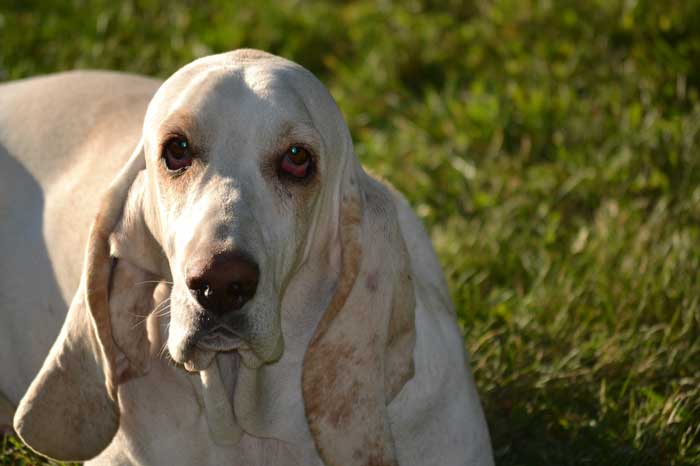
The Basset Hound wins people over on sight. Those long ears, the low slung body, the droopy eyes that always look slightly disappointed in you. Kids adore them, and so do most adults.
This is a lap-seeking, couch-loving dog. Left alone too often it gets bored, and a bored Basset can slide into destructive behavior like chewing or non-stop baying.
It is also built to put on weight. A Basset will eat whatever you offer and beg for more, and at 40 to 65 pounds the extra padding strains its spine. Measure the food, walk it daily, and skip the table scraps.
What Makes a Basset Hound Good for First-Time Owners
- It’s a highly affectionate lapdog
- Loves to be around children
- A natural hunter and tracker
- Bonds smoothly with other pets
4. Bichon Frise
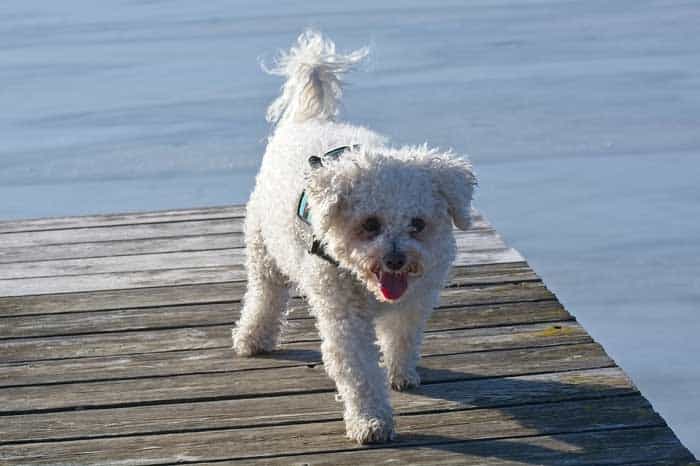
The Bichon is a small white cloud with black button eyes and a bottomless supply of cheer. People fall for that face fast.
It plays hard and loves an audience, so your kids will wear each other out. It also handles a few hours alone better than most companion breeds, which matters when you work outside the home.
Training comes easy. The Bichon is eager to please and friendly with both people and other pets.
Here is the catch most owners miss. The Bichon barely sheds, but that curly coat keeps growing and needs grooming every four to six weeks, or it mats down to the skin.
What Makes a Bichon Frise Good for First-Time Owners
- Likes to play, especially with kids
- Energetic demeanor
- Intelligent
- Doesn’t mind some alone time
- Friendly to other pets
5. Boston Terrier
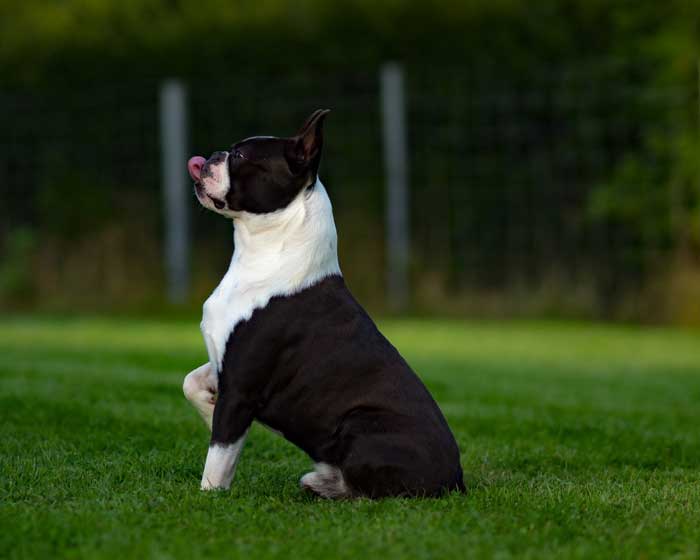
The Boston Terrier, the tuxedoed little gentleman, is affectionate with the whole family. It is gentle and rarely aggressive, and at 12 to 25 pounds it fits a one-bedroom without complaint.
The flat face has a cost. Bostons snort, snore, and can struggle in summer heat, so keep walks short on hot afternoons.
It is also a bundle of energy that loves to play. Smart, too, which cuts both ways. A clever Boston figures out what it can get away with, so be consistent from day one.
What Makes a Boston Terrier Good for First-Time Owners
- Lovable personality
- Lively attitude
- Gentle and friendly towards little kids
- Adapts well with apartment life
6. Bulldog
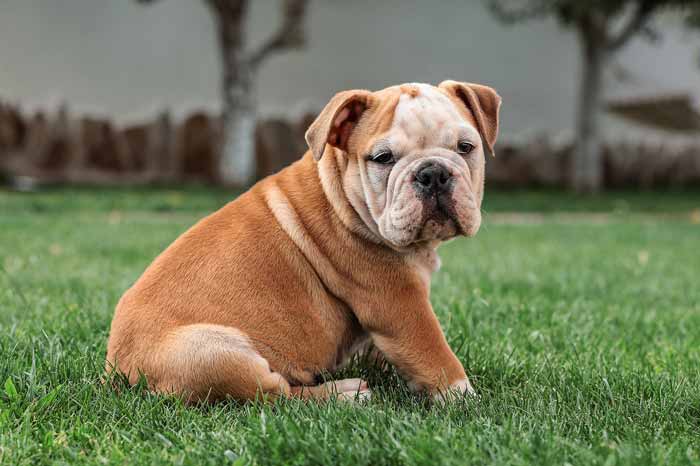
There are good reasons Bulldogs have such popularity among apartment-dwelling families. They look tough and weigh 40 to 50 pounds of solid muscle, yet they may be the most easygoing breed on this list.
A Bulldog bonds with everyone, little kids included. It can be touchy about sharing the home with another dog, so introductions need patience.
Care is straightforward and the short coat is simple to groom. Wipe the facial folds dry a couple of times a week, since trapped moisture there leads to infections.
Bulldogs gain weight fast and they are couch potatoes by nature. Keep yours moving with short daily walks and watch the portions, or the joints pay for it later.
What Makes a Bulldog Good for First-Time Owners
- Affectionate
- Easy to groom and train
- Friendly towards strangers
- Adapts to apartment living
- Doesn’t mind being left alone for a while
7. Cavalier King Charles Spaniel
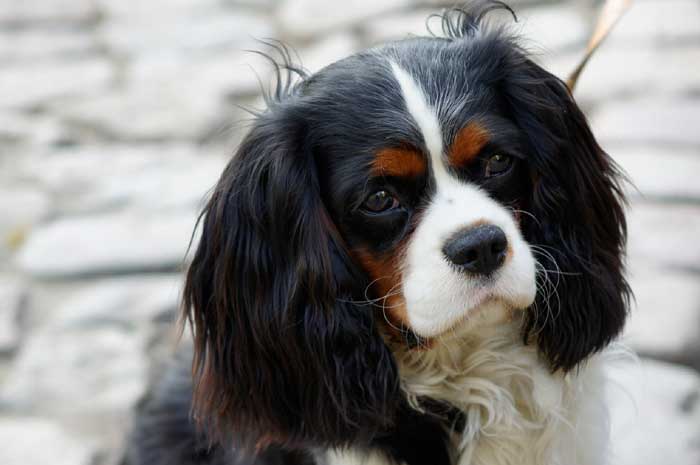
Big round eyes, feathered ears, a tail that never stops. The Cavalier folds into a family like it has always lived there. It is a toy breed of about 13 to 18 pounds with a surprising athletic streak.
Cavaliers love being outside, so a dog of this breed makes a fine hiking or beach buddy. They are equally happy to nap on you afterward.
They greet everyone like an old friend, from your visitors to strange dogs at the park, and they pick up tricks quickly. One thing to know going in. The breed is prone to heart issues, so buy from a breeder who screens for it and keep up with vet checks.
What Makes a Cavalier King Charles Spaniel Good for First-Time Owners
- Low tendency to bark or howl
- Easy to groom and train
- Warms to everyone
- Playful and entertaining
8. Chihuahua
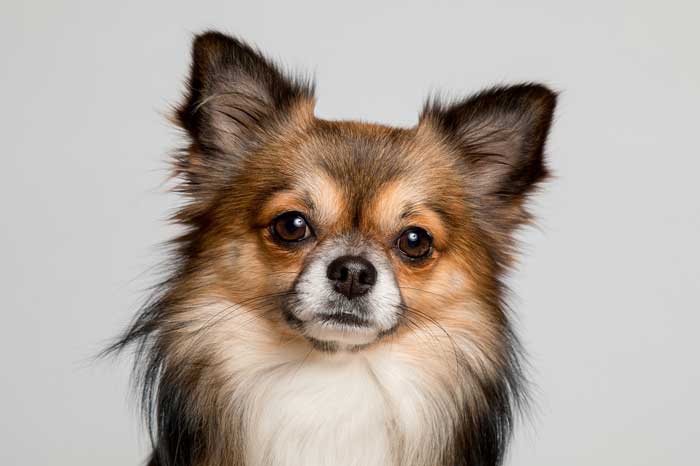
The Chihuahua, all 3 to 6 pounds of it, is friendly and devoted to its people. It can be wary of strangers and other pets, and it often picks one human as its favorite. That loyalty is the whole appeal.
Exercise and grooming needs are tiny. It barely sheds or drools, which you will appreciate if you like the apartment spotless.
It rarely puts on weight either, because it never really stops moving.
Chihuahuas will bark at the door, the elevator, the shadow on the wall. Train an early “quiet” cue and you head off the yappy reputation before it sets in.
What Makes a Chihuahua Good for First-Time Owners
- Easy to train and take care of
- Energetic and intelligent
- Doesn’t shed a lot
- Affectionate
9. Chinese Crested Dog
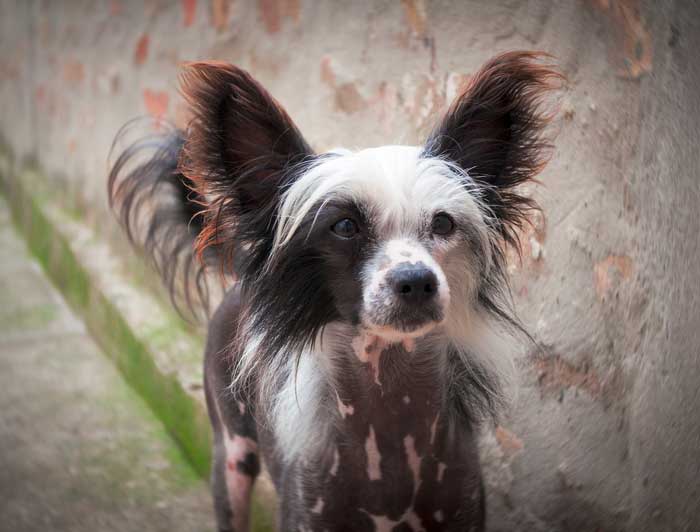
The Chinese Crested looks like nothing else. The hairless variety, with tufts on the head, feet, and tail, draws stares everywhere you go. Under the odd exterior sits a calm, deeply attached little dog of about 8 to 12 pounds.
Want a companion to stretch out next to you for an evening of television? This one signs up gladly.
It is sensitive, in body and in feelings. The bare skin needs sunscreen in summer and a sweater in winter, and the dog hates being left alone for long stretches.
On the plus side, there is almost nothing to vacuum up after it.
What Makes a Chinese Crested Dog Good for First-Time Owners
- Easy to train and play with
- Very affectionate
- Requires minimal exercise
- Highly intelligent
10. Coton de Tulear
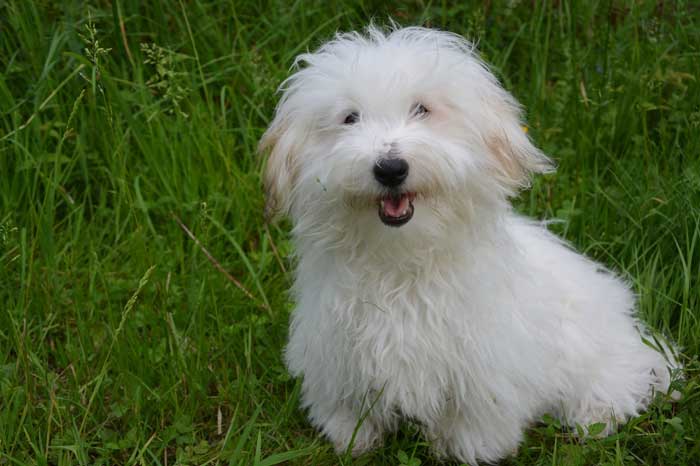
The Coton de Tulear wears a soft, cotton-textured white coat and acts like the household greeter. It wants to be near everyone, regardless of age, and it weighs only 8 to 15 pounds.
That gorgeous coat is the work, though. A first-timer underestimates it, then deals with tangles within a week. Daily brushing keeps it soft, and at least the breed sheds very little.
The Coton lives for playtime and gets lonely if you leave it too much. It is also smart and genuinely tries to read you, which makes training feel like a conversation.
What Makes a Coton de Tulear Good for First-Time Owners
- Smart and easy to train
- Playful and gentle
- Tolerates both hot and cold weather
- Minimal shedding
- Gets along with people and pets
11. Dachshund
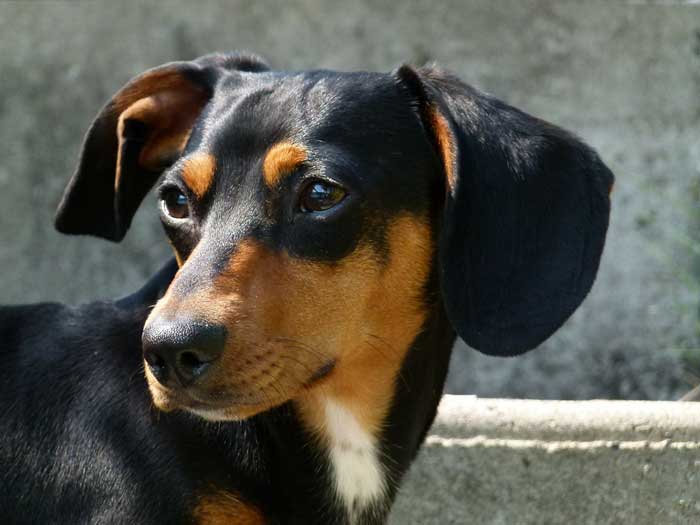
Wiener dog, sausage dog, call it what you like. The Dachshund, with its stubby legs, draped ears, and stretched-out body, is a magnet for kids. Standards run 16 to 32 pounds, and the minis stay under 11.
It is clever, especially at play. It will chase a toy down the hall for an hour, which tracks, because the breed was made to hunt badgers underground.
Two honest warnings. It barks, a lot, with a bark far bigger than the dog. And that long back is fragile, so block the couch jumps and skip the stairs to protect its spine.
What Makes a Dachshund Good for First-Time Owners
- Adorable appearance
- Smart and playful
- Friendly to all family members
12. Greyhound
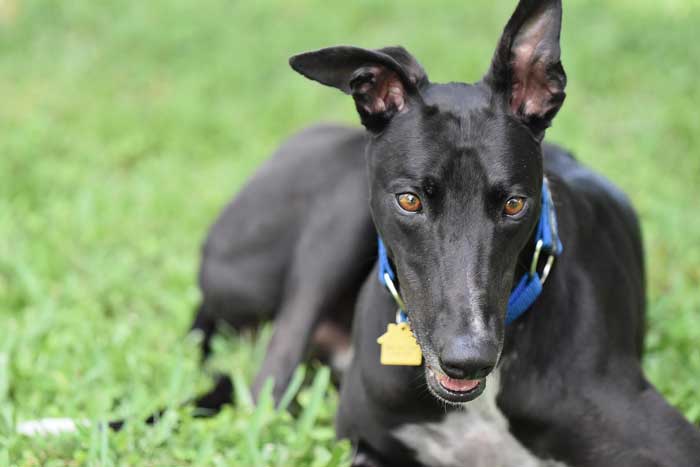
People assume a Greyhound needs a yard the size of a track. It does not. These dogs were bred to sprint, then sleep for 18 hours, and that second habit makes them shockingly good apartment dogs. Most are gentle, quiet, and content on a soft bed.
They do struggle with being left alone, especially retired racers adjusting to home life.
The thin coat sheds modestly and grooms in minutes, and they rarely bark. Give a Greyhound one good 20-minute run a day and it will hand the rest of its time back to you on the couch.
What Makes a Greyhound Good for First-Time Owners
- Adaptable
- Affectionate to everyone including kids, strangers, and other dogs
- Smart
- Gentle
13. Havanese
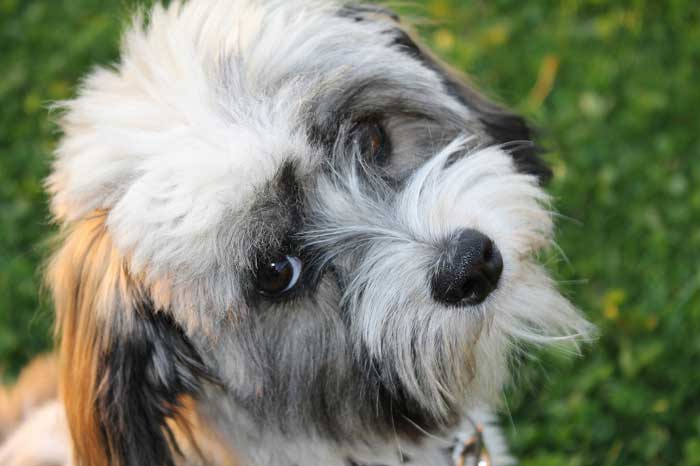
The Havanese hides a working brain under all that silk. Cute eyes, a cuddly 7 to 13 pound frame, and the wavy coat sell the looks. Then it picks up a new trick in three repetitions and shows up ready for agility class.
Know one thing before you commit. This is a velcro dog. It wants company most of the day, and it does poorly with long solo hours. Give it the attention and you get a clever, devoted shadow for years.
What Makes a Havanese Good for First-Time Owners
- Intelligent
- Gentle and loving
- Friendly towards children and strangers
- Almost no shedding
- Very easy to train
14. Japanese Chin
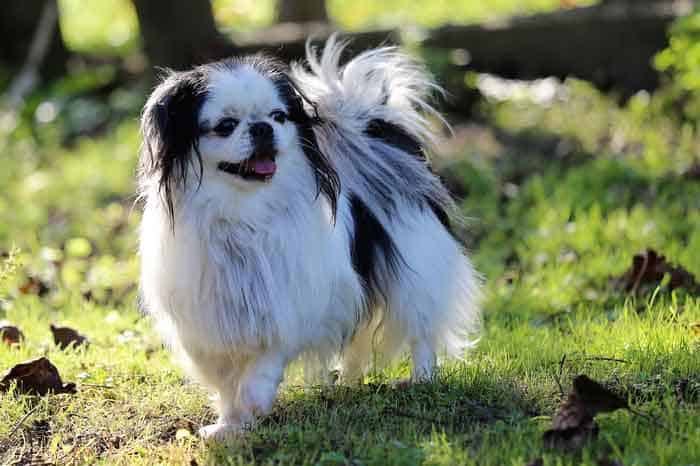
The Japanese Chin acts more like a small cat than a dog. It is mild, dignified, and at 4 to 9 pounds it tolerates a few hours alone better than most toy breeds.
Training rarely turns into a fight. The Chin is playful and quick to learn, and it has a knack for entertaining itself, and you, on a slow afternoon.
Here is the thing about this breed. It mirrors the mood of its home. Raise a Chin in a calm, kind household and it settles into exactly that temperament. Raise it in chaos and it absorbs the chaos.
What Makes a Japanese Chin Good for First-Time Owners
- Quick to train and smart
- Well-mannered and friendly
- Playful
- Adapts well to new environments
15. Maltese
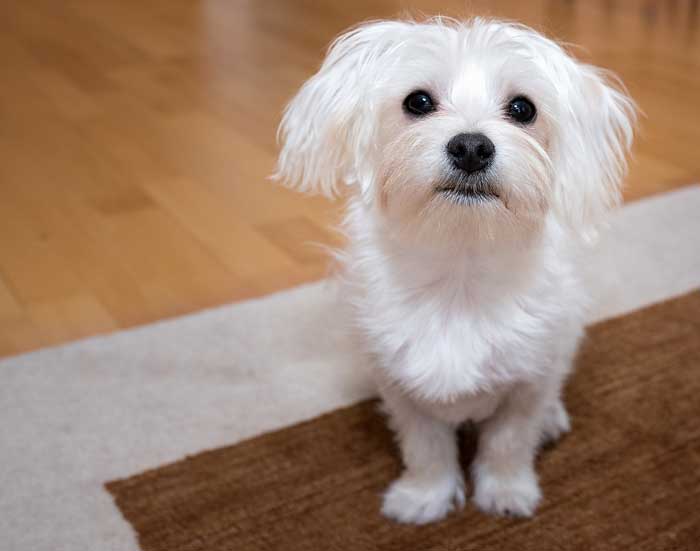
The Maltese has been a lap companion for centuries, and it shows. The long white coat and the sunny temperament are the two reasons it keeps landing on lists like this. It tips the scale at under 7 pounds.
That show coat needs a professional, no way around it, or you keep it clipped short at home. The rest of the package earns its keep. It is a warm family dog that loves to cuddle, though it does get lonely when you are gone.
It is also bright enough that you will want to start training right away. The main downside is the barking. A Maltese announces every visitor, so teach a calm greeting early.
What Makes a Maltese Good for First-Time Owners
- Easy to train
- Doesn’t shed much
- Cute appearance and lovable personality
16. Pekingese
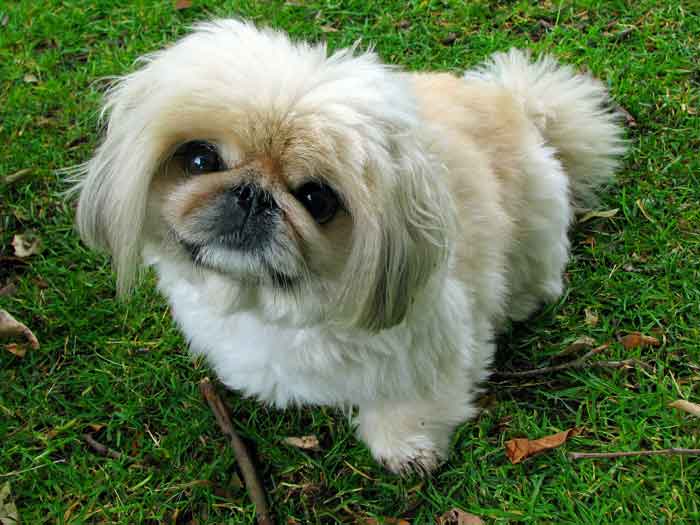
Bred for Chinese royalty, the Pekingese still carries itself like it owns the place. The dignity is real. So is the friendliness, once it decides you are worth its time.
It likes children, but at 7 to 14 pounds with a stocky little body, a rough toddler can hurt it by accident. Homes with teens or older adults suit it better.
Earn a Peke’s trust and it is yours for life. It barks and the long double coat sheds a fair amount, plus the flat face means it overheats easily. Owners forgive all of it for that stubborn, regal charm.
What Makes a Pekingese Good for First-Time Owners
- Easy to train
- Friendly companion
- Doesn’t mind being alone for a few hours
17. Pomeranian
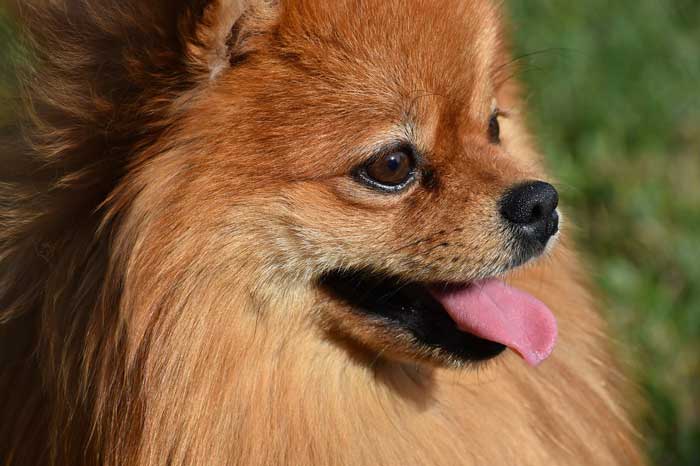
Three to seven pounds, and not one ounce of self-doubt. The Pomeranian is a tiny fox-faced dog packed with energy, mischief, and opinions.
That big personality comes with a big voice, so the breed barks readily. The trade is worth it for many owners. Poms are affectionate with the whole family and clever enough to learn real tricks, not just sit and stay.
The fluffy double coat sheds, especially twice a year when it blows out completely. If you can live with the fur on your sweaters and the regular brushing, a Pomeranian brings a lot of joy into a small space.
What Makes a Pomeranian Good for First-Time Owners
- Highly intelligent
- Easy to train
- Friendly and loving
18. Pug
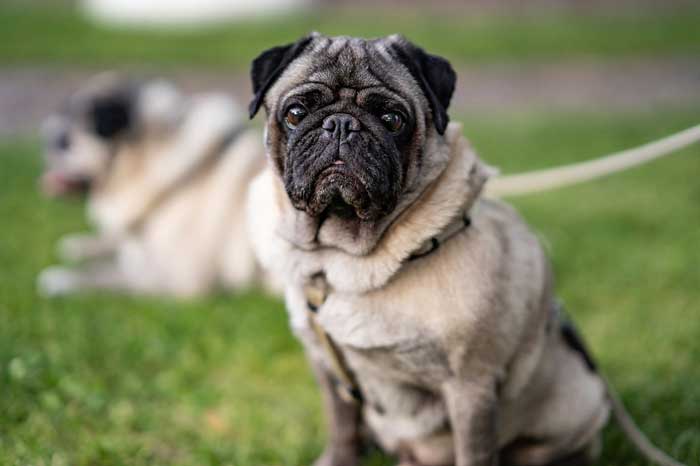
The Pug is a clown in a 14 to 18 pound body, and one of my favorites on this whole list. It pulls funny stunts for laughs, especially in a home that hands out plenty of affection.
It wants human contact above all else, which means it gets lonely quickly. Leaving a Pug home alone all day is not really an option. Plan for that before you bring one in.
Training tests your patience because the breed can be stubborn, yet steady, food-rewarded sessions get there. One more practical note. That flat face means a Pug overheats fast, so keep summer walks short and early.
What Makes a Pug Good for First-Time Owners
- Lovable with a winning personality
- Funny and charismatic
- Easy to groom, train, and look after
19. Shih Tzu
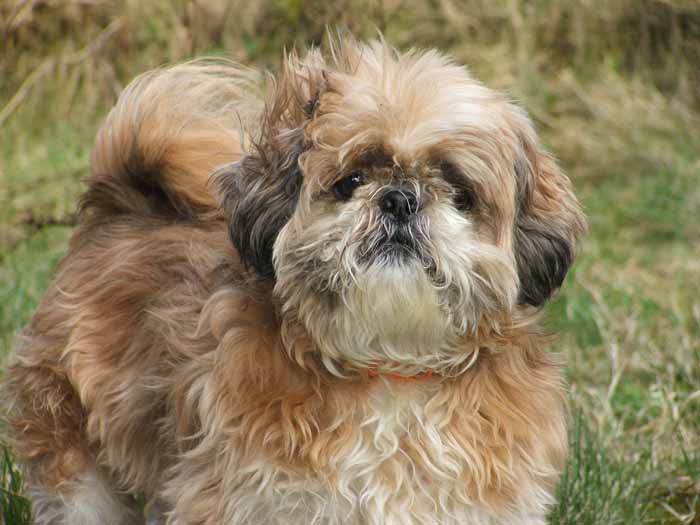
The Shih Tzu was bred for one job, keeping people company, and it is very good at it. It follows you room to room asking for pats, and yes, it can still learn agility and obedience routines when you give it a goal.
It gets along with other pets and kids. Just teach the kids to support its small 9 to 16 pound body and not scoop it up by the legs.
A Shih Tzu handles your workday alone without drama, though it would rather you came home sooner than later.
The long coat is the real commitment. Brush it daily or book a groomer every few weeks, or accept a short, easy puppy cut.
What Makes a Shih Tzu Good for First-Time Owners
- Affectionate towards everyone
- Intelligent
- Perfect family dog
20. Whippet
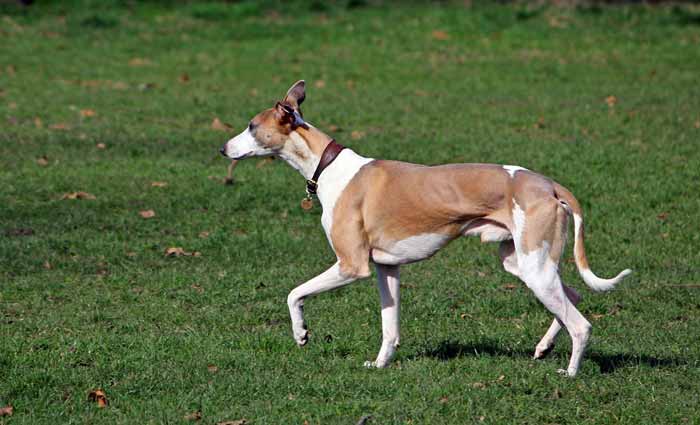
Think of the Whippet as a Greyhound in a 25 to 40 pound package. Bred to chase, it still loves a sprint, yet indoors it turns into a quiet, almost cat-like presence. It barks rarely and bonds hard, so it does feel the separation when you go.
The sleek build and easy charm win people over fast. Whippets also shine at dog sports like agility, flyball, and rally, if you want a hobby to share.
The short coat takes about a minute to groom. The one rule with this breed is a secure leash and a fenced run, because a Whippet that spots a squirrel will be 40 yards away before you finish the word “stay.”
What Makes a Whippet Good for First-Time Owners
- Well-mannered
- Doesn’t bark, not even at strangers
- Affectionate
- Perfect for dog sports
21. Yorkshire Terrier
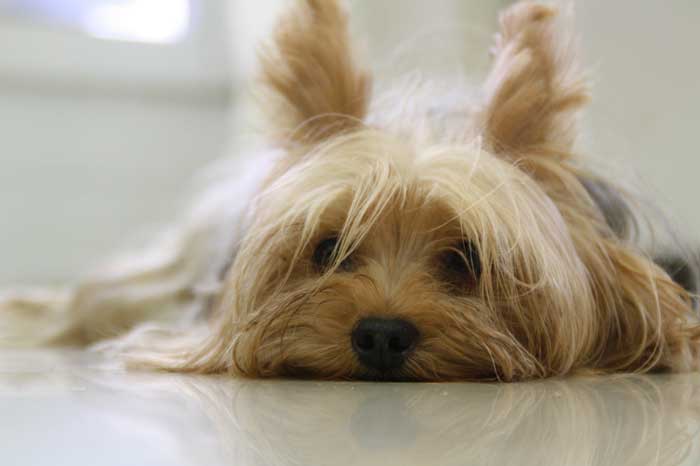
The Yorkie ranks among the most popular dogs in the US, and the personality explains why. There is a lot of terrier packed into a 4 to 7 pound frame.
This little dog loves family time. It is playful, sharp, and soaks up every bit of attention you give. It is also high-maintenance in two specific ways. The fine, human-like coat tangles without daily brushing, and the small mouth is prone to dental disease, so brush its teeth and keep up the vet cleanings.
It barks now and then, usually at sounds in the hallway.
None of that dims the appeal. The bold, cheerful character is exactly why the Yorkie keeps a spot near the top of my list.
What Makes a Yorkshire Terrier Good for First-Time Owners
- Smart and quick to learn tricks
- Adorable
- Overall friendly
- Adjusts to apartment living with ease
Final Thoughts
You probably have a shortlist now, maybe two or three names circled. Match the dog to your real schedule, not your ideal one. Be honest about the grooming you will actually do and the hours the dog will spend alone, since those two factors sink more first-time owners than temperament ever does.
Then put in the early work. With patience and proper training built on rewards, you land on the balance every good dog needs, clear rules and steady affection. Start the day it comes home, not the day the problems do.
Frequently asked questions
What is the easiest dog for a first-time owner?
Breeds that are eager to please and forgiving of beginner mistakes, like a Labrador, Poodle or Cavalier, tend to be the smoothest first dogs.
Should a first-time owner get a puppy or an adult dog?
An adult is often easier. What you see is what you get on temperament and energy, and most are already house-trained.
How much does a first dog cost in the first year?
Budget roughly 1,500 to 3,000 dollars once you add food, vet visits, gear, training and the unexpected. The adoption fee is the small part.
Google lets you pick which sites come up first in your own results.