

A quick note: a few links below are affiliate links. Buy through one and we may earn a small commission. It never costs you more, and we only point to gear we'd actually put in front of our own dogs. As an Amazon Associate I earn from qualifying purchases.
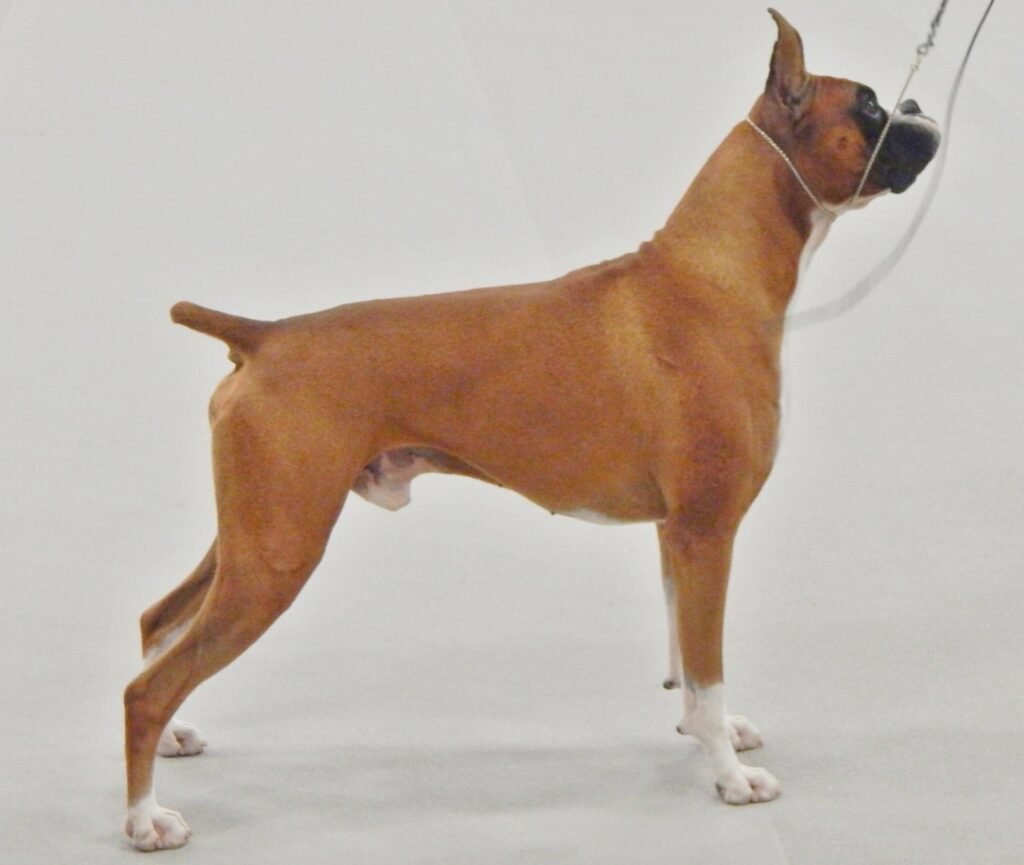
Boxers are muscular, medium-sized dogs that were originally bred to hunt and to guard. Today most of them sleep on the couch and herd the kids.
The face fools people. They look serious, sometimes a little menacing, but the breed is goofy and warm with the people it knows. That mix is exactly why they work as both watchdogs and family dogs.
So, are Boxers good apartment dogs?
Boxers land in a similar bracket to a few other strong, energetic breeds we’ve covered, see how they stack up against the rest in our roundup of apartment-friendly dogs, and if you’re also weighing a pit bull, the tradeoffs are worth comparing side by side.
With discipline, structure and a lot of exercise and mental stimulation, Boxers are great apartment dogs. They are good, patient and friendly companions who generally get along with everyone. And, although they are high-energy and somewhat stubborn dogs, with proper training and exercise they are calm and obedient dogs that adapt perfectly to apartment life.
Square footage is the smallest part of the answer. What matters more is the dog’s temperament and whether your day has room for a needy, athletic 60-pound companion. Look at the breed first, then look at your own schedule.
Never bring home a dog whose needs you can’t actually meet.
Personality Traits and Temperament
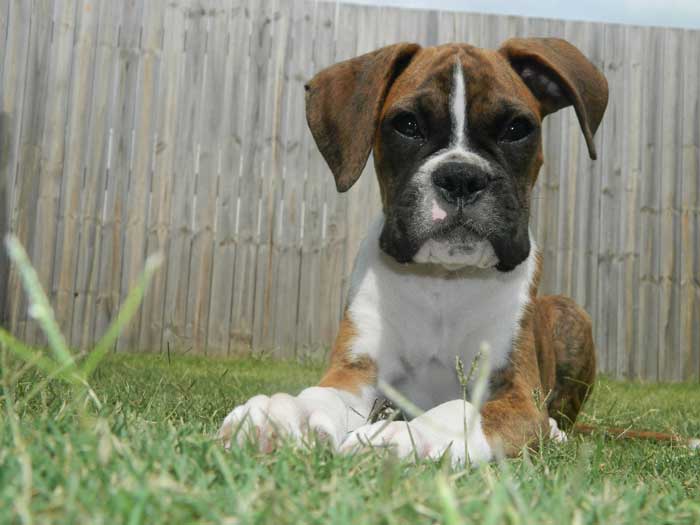
Boxers carry themselves with a kind of confidence, and yes, they can be stubborn. Underneath that, they’re soft. Deeply loyal to their household, affectionate to the point of leaning their whole body weight against your leg.
They bond hard. Most are friendly with people and other pets, though two Boxers of the same sex under one roof often clash, so plan for that if you want a pair.
The clownishness is the part owners love and underestimate. Boxers mature slowly. Expect puppy energy and puppy nonsense until roughly three or four years old, long after they look fully grown.
Are Boxers Good Family Pets?
Few breeds slot into a busy household this well. Boxers are patient with kids and playful in a way that matches older, active children who can roughhouse a little. With toddlers, watch the tail end of the play, because an excited 65-pound dog can knock a small child flat without meaning any harm.
The bond they form with their people runs deep, and they will put themselves between the family and trouble without hesitation.
Are Boxers Good Guard Dogs?
Yes, and it comes naturally. They’re strong, alert, and wired to look after their home.
Gentle with the family, wary with strangers. A Boxer notices the delivery driver before you do and lets you know.
They aren’t aggressive by default. But if something actually threatens their people, that easygoing dog turns serious fast.
Are Boxers Considered an Aggressive Breed?
No. The build says one thing and the personality says another. They’re sociable, silly, and quick to make friends.
The protective instinct is real, but a Boxer that has been socialized and trained only escalates when it has a genuine reason to.
Any dog can turn aggressive. Most of it traces back to how the dog was raised and what it lived through.
That’s the whole case for early socialization and steady training. Put the work in young and you get a balanced, reliable adult.
Can Boxers be Left Alone?
Not happily. This is the breed’s biggest catch. Boxers want company, they’re smart, and they have energy to burn, so a bored one left for hours will find a project, usually your couch cushions or a baseboard.
They need people or other dogs around to feel right.
Plenty of owners end up with two Boxers for exactly this reason. The dogs keep each other busy.
This is a breed for homes where someone is around most of the day. If the house sits empty from morning to evening, a Boxer is the wrong pick.
Are Boxers Hard to Train?
They’re plenty smart. The problem is getting them to care, because a Boxer would rather turn the session into a game.
Some owners call them difficult. They aren’t, not really. They just don’t hand you obedience the way a Border Collie might.
Be firm, be consistent, and keep it short and fun. Five to ten minute sessions land better than one long slog. Start while the dog is young and the payoff is huge.
Begin as early as you can.
Training an eight-week-old Boxer is genuinely enjoyable. They’re soft, curious, and easy to handle at that size.
Wait too long and the math changes. A stubborn 60-pound adult who never learned the rules is a much bigger job than a puppy who did.
Do Boxers Bark a Lot?
Not constantly. They’re not silent either, but a Boxer usually barks for a reason rather than just to hear itself.
The usual triggers are:
- For protection. Boxers are recognized as good watchdogs. They are territorial dogs that are always alert and they bark to warn that something unusual is happening.
- Out of loneliness or boredom. Boxers are very active and intelligent dogs who like the company and interaction with people. Because they do not handle being alone well and are easily bored, they often manifest excessive barking when feeling abandoned.
- Due to pain. If a Boxer suddenly starts barking constantly without a clear cause, it may be because he feels pain or discomfort from an injury or illness.
Boxers Energy Levels
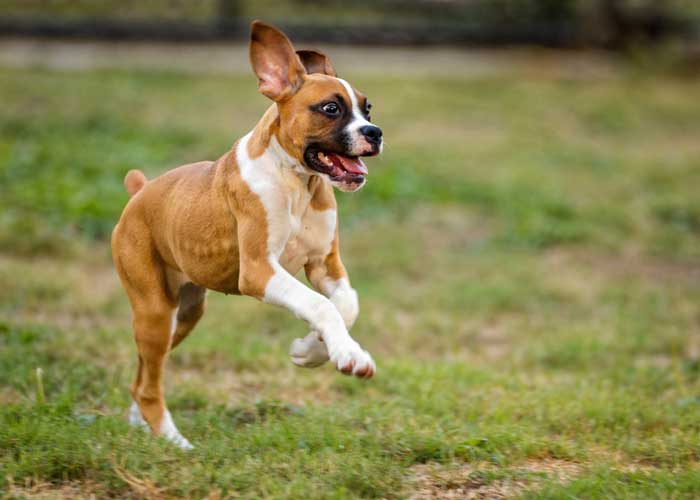
This is a high-octane breed. A Boxer needs real exercise, body and brain, every single day.
The amount varies by dog. Some do fine on two walks of thirty to sixty minutes. Others won’t settle without two hours or more of hard activity.
Off-leash running time and open outdoor play go a long way too.
Don’t skip the mental side. A few minutes of training, a puzzle feeder, or a round of hide and seek tires a Boxer out as much as a walk does.
A well-exercised Boxer is a well-behaved Boxer, full stop. Just be cautious in the heat. This breed overheats easily.
Boxers Grooming Needs

Grooming is the easy part. The short coat stays clean with almost no effort.
Skip the frequent baths. Wash a Boxer only when it’s actually dirty, otherwise you strip the coat.
They shed more than people expect for such short hair. A quick brush once a week keeps the coat healthy and the fur on your floor under control.
Brush the teeth regularly too. It cuts down on bad breath and helps head off gum disease.
Trim the nails about every two weeks if they aren’t wearing down on their own. If you can hear them clicking on the floor, they’re too long.
Is a Boxer a Good Apartment Dog?
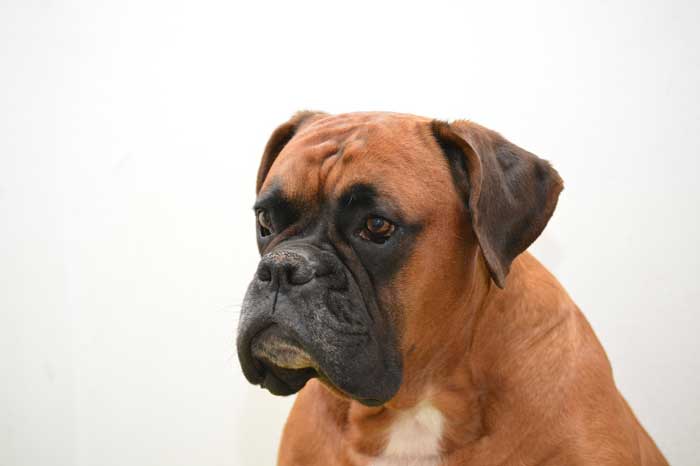
Give them the training and the daily exercise and the answer is a clear yes. Boxers are clean, fairly quiet indoors, and social by nature, which covers most of what apartment living asks for.
Add in the guarding instinct and the family loyalty and you have a lot of dog in one tidy package.
One honest caveat. This is not a dog for someone who is rarely home.
Tips for Raising a Boxer in an Apartment
1. Exercise Is Essential for Boxers
Daily exercise isn’t optional with this breed. It keeps the body sound and the head quiet.
Most Boxers want two hours or more of activity a day. In an apartment, that usually shapes up as two solid walks of around an hour, morning and evening.
Work in some play to burn the rest. A weekly trip to daycare or a fenced dog park lets a Boxer sprint and wrestle with other dogs, which it can’t do indoors.
Shortchange the exercise and the behavior falls apart. The usual fallout:
- Aggression
- Chewing
- Digging
- Excessive barking
- Biting
2. Start Training Them at a Young Age
Training and socialization are what turn a rowdy puppy into a steady adult.
Because they grow strong and opinionated, start in puppyhood, before bad habits set and before the dog outweighs your ability to redirect it. It’s never too late, but earlier is far easier.
Boxers thrive on positive reinforcement. Reward what you want, and they repeat it.
Stay firm and consistent. Give a smart Boxer an inch of inconsistency and it will work the gap to get its way.
If the basics feel like a fight, a few sessions with a good obedience trainer are money well spent.
3. Don’t Leave Them Alone for Long
Owners who are gone most of the day and this breed are a poor fit.
Boxers want to be near their family. Left alone too long, that need curdles into chewing, pacing, and other destructive habits.
Some alone time is unavoidable, of course.
When it happens, line up backup. A friend or neighbor can check in, or you can bring in a dog sitter or dog walker to break up the day.
Doggie daycare is another solid option. Your Boxer spends the day playing instead of stewing.
4. Provide Plenty of Playtime
Boxers are relentlessly playful, especially through those first three or four years. They live for it, with the family or with other dogs.
Play is not a luxury for this breed, it’s development. It keeps them healthy and heads off the destructive habits that come from boredom and stored-up energy.
It also builds the bond. Every game of tug or fetch sharpens their social skills and ties them closer to you.
5. The Closer to the Ground Floor, the Better
As a medium to large breed, Boxers need the bathroom less often than tiny dogs. Even so, apartment life means regular trips outside for them to do their business.
Puppies are another story. Early on, a young pup may need to go out roughly every hour, while an adult can usually hold it for six to eight.
That adds up to a lot of potty runs, especially during house-training. A top-floor unit with an elevator wait turns each one into a small ordeal.
A ground-floor or first-floor apartment makes the whole routine easier on both of you.
6. Establish a Routine
A predictable day settles a dog. When a Boxer knows roughly what’s coming and when, it’s calmer and less stressed.
Feed at the same times. Keep the bathroom breaks and walks on a steady schedule too.
There’s a practical upside. A regular rhythm trains the body to potty on a schedule and spreads the dog’s energy more evenly across the day instead of dumping it all at once.
7. Keep Your Apartment Cool
Heat is a real risk with this breed. The short muzzle means a Boxer struggles to cool itself down, so it overheats faster than most dogs. Stay alert to it.
Don’t push the exercise on hot days. When it’s warm, cap the walk at 20 to 30 minutes and go early or late, not at noon.
For the same reason, a Boxer is not a backyard dog. It belongs inside with you.
They do best in a cool indoor space. Run the air conditioning in summer and keep fresh water in reach at all times.
And never leave a Boxer alone in a parked car, not with the windows cracked, not on an overcast day. The temperature inside climbs fast, and for this breed it can be fatal.
Final Thoughts
Boxers are wonderful family and guard dogs that adapt well to apartment living.
That warm, loyal personality makes them excellent companions, on the one condition that you can give them the exercise and attention they need.
A dog is a long-term commitment, ten years or more in a Boxer’s case, and it costs time, money, and effort the whole way through.
Learn the breed before you bring one home. Know the temperament, the needs, the care, and be honest with yourself about whether you can give this dog a full, healthy life. If you can, a Boxer pays it all back.
Resources
- Boxer Dog Exercise Requirements and Needs by AllBoxerInfo
- Boxer Dog Temperament & Personality by Canna-Pet
Frequently asked questions
Can big dogs really live in an apartment?
Yes. Energy level matters far more than size. A calm Great Dane settles into a flat better than a wound-up terrier, as long as it gets a proper walk twice a day.
Which dog breeds bark the least in apartments?
Greyhounds, Basenjis, Bulldogs and Cavaliers are among the quietest. Any dog can learn to be calm, but these simply start at a lower volume.
How much exercise does an apartment dog need?
Most do well on 30 to 60 minutes a day split into two walks, plus a little indoor play. Cut that short and the barking and chewing usually start.
Google lets you pick which sites come up first in your own results.