

A quick note: a few links below are affiliate links. Buy through one and we may earn a small commission. It never costs you more, and we only point to gear we'd actually put in front of our own dogs. As an Amazon Associate I earn from qualifying purchases.
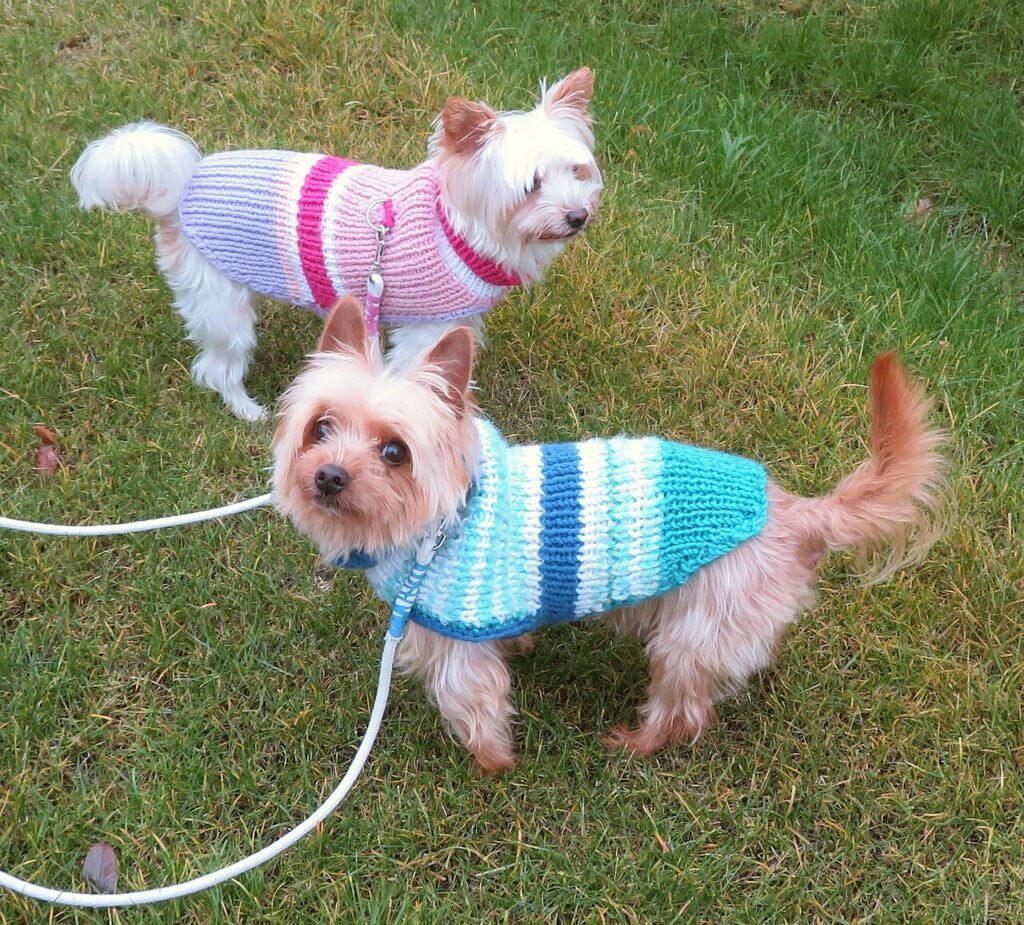
Some dogs need a winter coat and many do not. Per the American Kennel Club, small and toy breeds, hairless dogs, clipped dogs, short-legged dogs, lean-bodied dogs and high-energy short-coated sporting dogs are the usual candidates, while thick-coated breeds such as the Siberian Husky and Saint Bernard were bred for the cold. Puppies, seniors and dogs with arthritis feel the cold more as well.
There is no magic temperature
The AKC asked Dr. Jolee Stegemoller, a veterinarian, and her answer is that no exact temperature is too cold for every dog. She looks at the coat (a double coat like a Husky’s, Malamute’s or Labrador’s), at medical concerns such as being underweight, heart disease or arthritic joints, and at whether the dog regularly spends time outdoors in cold weather.
Her rule of thumb is a human one: if you can be outside enjoying the weather in the right outerwear, most dogs can be out there too. For the cold end of the range she gives a general recommendation. If the windchill is below 20 degrees, keep playtime short, in sessions of 15 to 20 minutes, and let the dog warm up inside afterward. The ASPCA says much the same in plainer words: if it is too cold for you, it is probably too cold for your pet.
Which dogs may need a coat
The AKC article sorts dogs into groups, and it explains the reasoning for each. That reasoning is more useful than a breed list, because it lets you judge a mixed-breed dog.
| Type of dog | Examples from the AKC | Why a coat helps |
|---|---|---|
| Small and toy breeds | Small dogs generally | May benefit from a coat in cold weather |
| Hairless breeds | American Hairless Terrier, Xoloitzcuintli, Chinese Crested | The AKC says they need to wear jackets |
| Clipped or shaved coats | All three Poodle sizes, any clipped dog | Less natural insulation |
| Short-legged dogs | Basset Hound, Dachshund, Pembroke and Cardigan Welsh Corgis | Bellies get wet in snow and ice |
| Active short-coated sporting dogs | Vizsla, German Shorthaired Pointer | High energy, little coat |
| Lean-bodied dogs | Greyhound, Whippet, Azawakh | Little body fat or coat to hold heat |
Puppies, senior dogs and dogs with chronic conditions such as arthritis are more susceptible to the cold and may benefit from a coat, the AKC adds. If you are unsure which group your dog belongs to, ask the vet. Cornell’s veterinarians agree on who is most at risk: Dr. Brian Collins says very young animals, older animals and short-haired breeds are the most vulnerable to hypothermia, which he describes as a potentially fatal drop in body temperature.
Which type of jacket
The AKC describes four kinds, and the choice depends on what the dog is doing.
A lightweight jacket suits cool weather and avoids overheating. An insulated one is for walks and snow. A raincoat handles mud and dirty water, which matters on a city sidewalk after a storm. A snowsuit or bodysuit covers the legs, and is meant for lean-bodied or hairless dogs with longer legs. For a short-haired dog, the ASPCA suggests a coat or sweater with a high collar or turtleneck and coverage from the base of the tail to the belly.
Look at the details too. The AKC lists reflective trim, a hole for the leash attachment of a back-clip harness, and sanitary cut-outs as useful features. If your dog wears a harness, the guide on collar versus harness for apartment dogs helps you decide where the leash clip should sit before you buy a jacket that has to work with it.
How to fit it
A fitted coat lets the dog walk, run and play comfortably. It should not be so loose that the dog could get tangled in it. To size one, the AKC says to measure the length of the body and around the widest part of the chest, then follow each jacket’s own measurement instructions, since sizing varies from one maker to the next.
Introduce the jacket before you need it. The AKC advises making the first experience a positive one, and that is easier on a mild Saturday than on the first icy morning when the dog has to go out. Offer a treat when the coat goes on, keep the first sessions short, and take it off if your dog freezes or tries to chew at it.
Keeping the coat clean
This is the part most buying guides skip. The AKC says coats need laundering because they collect hair and dander and can be potential breeding grounds for bacteria, especially if put away damp after being in the snow. Choose a machine-washable one, and let it dry fully between wears. After a walk, the coat is not the only thing that needs attention: our guide to protecting paws from winter salt covers the feet.
Signs your dog is too cold
Do not wait for a dramatic signal. Cornell’s Dr. Gamble lists shivering, anxiety and moving slowly as the warning signs of hypothermia. Longer-haired dogs also collect ice and snow on their feet, so check them while you are out; Dr. Collins suggests trimming the fur on the feet to help prevent ice accumulation.
Other winter basics, briefly
The ASPCA recommends towel drying right after coming in, checking the feet and between the toes, and never shaving a dog down to the skin in winter. It also says to feed a little extra in winter and to give the dog a warm bed off the floor and away from drafts. Antifreeze is lethal if swallowed and ice melts can be dangerous if ingested. The ASPCA also says never to let a dog off leash on snow or ice, because more dogs are lost during winter than in any other season, and an ID tag should stay on the collar. Cornell’s Dr. Lauri-Jo Gamble says dogs are susceptible to frostbite and hypothermia just as people are, and to watch for shivering, anxiety and moving slowly. Those are signs to cut the outing short and get the dog warm, and a reason to call the vet if they persist.
Common questions about dog winter coats
Does my dog need a coat if it has a thick fur coat?
Often not. The AKC says breeds such as the Alaskan Malamute, Newfoundland, Bernese Mountain Dog, Saint Bernard and Siberian Husky were bred for cold. Age or a health condition like arthritis can still change the answer.
At what temperature is it too cold for a dog?
There is no exact number. The AKC’s veterinarian says it depends on coat, health and cold-weather experience, and that under 20 degrees windchill, play should be limited to 15 to 20 minute sessions.
How do I measure a dog for a coat?
Measure the length of the body and the widest part of the chest, then check the maker’s size chart, as the AKC advises.
How often should I wash a dog coat?
The AKC says to launder it regularly, because it collects hair and dander and can harbor bacteria if stored damp. It recommends machine-washable coats.
Google lets you pick which sites come up first in your own results.