

A quick note: a few links below are affiliate links. Buy through one and we may earn a small commission. It never costs you more, and we only point to gear we'd actually put in front of our own dogs. As an Amazon Associate I earn from qualifying purchases.
Disclosure: CityDogsLife is reader-supported. When you buy through links on our site, we may earn an affiliate commission at no extra cost to you. As an Amazon Associate we earn from qualifying purchases.
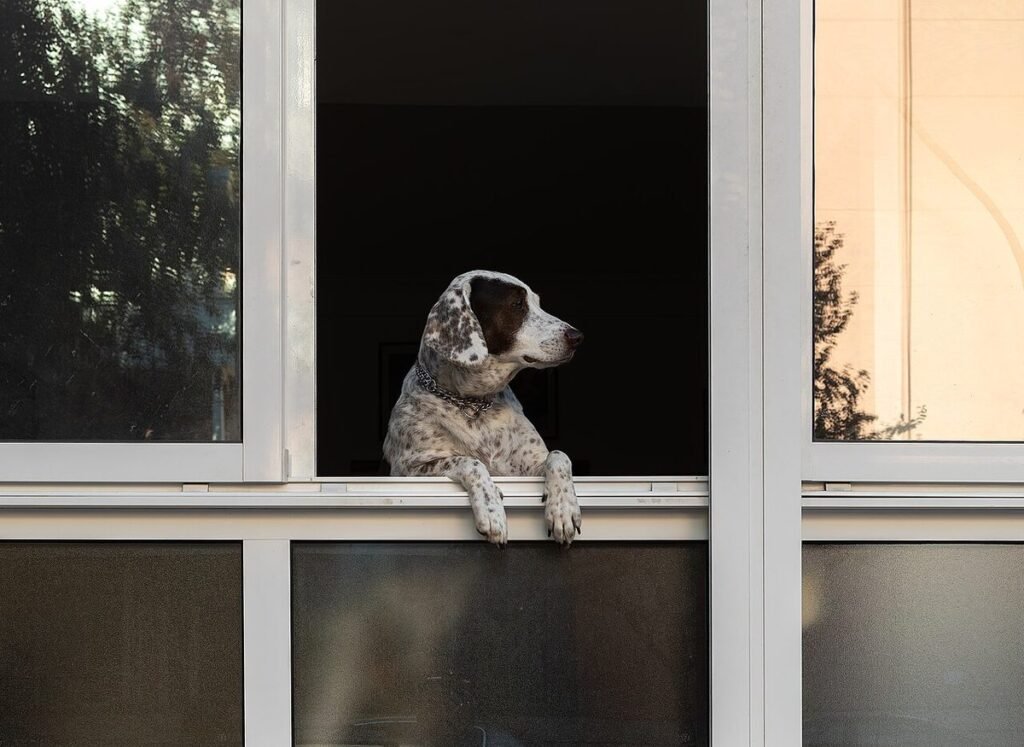
Trying to stop dog barking in an apartment carries a stress that yard-dog owners never feel: the neighbor on the far side of a shared wall, and the note slipped under your door. A dog barking in a house on an acre is background noise. The same dog in a building is a complaint waiting to land, maybe a lease problem. So apartment owners panic and grab whatever promises silence fastest, which is almost always the worst long-term move.
Before you fix anything, you have to know why the dog is barking. The barking that greets every footstep in the hallway is a completely different problem from the barking that starts the second the front door clicks shut. Treat the two the same and you will fail at both.
Figure out which bark you’ve got
Dogs bark for a handful of distinct reasons, and they do not blur together much. Alert barking is the classic apartment one: a sound in the hall, the elevator dinging, the neighbor’s dog passing your door, and your dog announces it to the building. Demand barking is your dog ordering you to throw the ball, refill the bowl, or pay attention. Boredom barking is an under-exercised dog inventing its own entertainment. And distress barking, the howling and yelping that only happens once you are gone, is anxiety, which is a different animal entirely.
If the complaints are about barking while you are out, set up a phone or a cheap pet camera and watch ten minutes of the footage. You need to see whether the dog is alert-barking at hallway noise or genuinely coming apart. What you see on camera decides the whole plan.
The thing that makes apartment barking worse
An apartment is a barking machine by design. Thin walls. A shared hallway. An elevator. Dozens of strangers and their dogs filing past your dog’s nose a few feet away, all day long. To a territorial dog, the front door is the border and every footstep is a possible invasion. You cannot strip out the triggers, so the real work is changing how your dog feels about them.
Alert barking at the hallway: the most common one
This is the bark most apartment dwellers are fighting. Your dog hears something past the door and sounds off. Yelling “no” almost never works, and here is the trap inside it: to your dog, you joining in sounds like you are barking too, backing it up. Now the two of you are a team defending the place.
What actually moves the needle is changing what the trigger means. A noise happens in the hall, your dog notices, and in that beat before it erupts, you mark it with a calm word and toss a treat. You are teaching that hallway sounds predict good things from you and are not a cue to defend the castle. Over a few weeks, many dogs start hearing a noise and swinging their head toward you for the treat instead of barking. It is slower than yelling, and it is the only thing that lasts.
Two practical helpers: kill the sound and kill the sightline. A white noise machine or a fan masks the hallway and runs maybe twenty or thirty dollars, well spent. If your dog can see under the door or out a window onto a busy walkway, a draft stopper or some film on the lower glass cuts the visual triggers. Less to react to means less reacting.
Demand barking: stop paying it
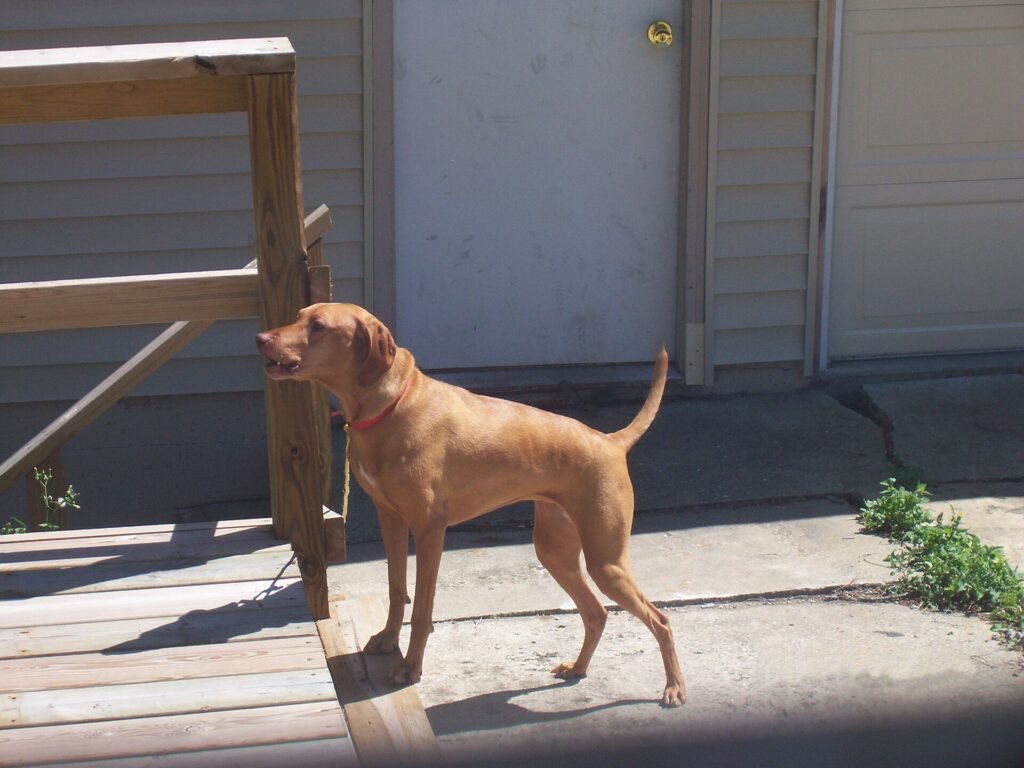
If your dog barks at you for dinner, for play, for the warm spot on the couch, and you respond, you have taught it that barking is how you operate a human. The fix is unglamorous and genuinely hard: stop rewarding it. When the demand bark starts, give it no eye contact, no talking, no caving. Wait for even a second of quiet, and reward that. It usually gets briefly worse before it gets better, because the dog leans harder on the thing that used to work. Ride that out and it fades. The mistake is giving in on day three, which only teaches the dog to bark longer next time.
Boredom barking: this one’s on the schedule, not the dog
A dog that barks all afternoon out of boredom does not need correction. It needs a better day. This goes double for the working breeds people keep underestimating in apartments. A Beagle bays. A husky is loud by nature. A young Lab with no outlet will build its own. Real exercise before you leave, a stuffed frozen food toy to wrestle with, a midday walk, and the barking often drops away, because the dog is asleep instead of hunting for something to do. You cannot train away a need you are not meeting. A rotation of two or three puzzle toys does more for this than people expect, since mental work tires a bored dog out faster than a lap around the block. We go through what actually works by boredom type in our guide to puzzle toys for apartment dogs.
Things to skip
- Anti-bark shock and citronella collars. They mute the symptom while leaving the dog’s actual stress or boredom right where it was, and they can push an anxious dog further over the edge. Most modern trainers steer hard away from them.
- Debarking surgery. As grim as it sounds, and not a behavior solution at all.
- Yelling. Covered above. Your dog hears it as backup.
The anxiety case is different, and urgent in a building
If the camera shows a dog that barks or howls steadily the entire time you are gone, paces, drools, or claws at the door, that is distress, not a training nuisance. You cannot punish your way out of it, and in an apartment it is also the version most likely to earn you a complaint, because it never lets up. The real fix is gradual desensitization to your departures, built minute by minute, and often a vet or veterinary behaviorist on the team. Our piece on how long you can leave a dog alone digs into telling boredom apart from genuine separation anxiety.
What’s worth buying, and what isn’t
Four things earn their place in a building; the rest is marketing. A white noise machine runs twenty or thirty dollars and covers the hallway and the elevator, which makes it the cheapest win available to an apartment dog. A pet camera is the only honest way to find out whether your dog is alert-barking at footsteps or genuinely coming apart while you are gone, and that answer decides everything else you do. A rotation of puzzle feeders and long-lasting chews does more for the boredom case than an extra lap around the block. And if your dog works a window onto a busy walkway, a few dollars of frosted film on the lower pane takes the sightline away.
A pheromone diffuser is worth a try on mild edginess, but be clear-eyed about it: it will not carry a real separation case, and buying one instead of doing the departure work just delays the fix.
Keep the peace while you train
Training takes weeks, and your neighbors are running out of patience now. A little goodwill buys you time. Tell the people next door you are actively working on it, not ignoring it. Move the dog’s bed and crate to the quietest interior wall, away from the shared one and the front door. Run the white noise. Avoid leaving the dog alone for long stretches mid-training if you can swing a walker. People put up with a lot more from a neighbor who is visibly trying than from one who pretends the dog is silent.
One honest caveat. Some barking is normal, and you will not get to zero, nor should you want a dog that never makes a sound. The goal is a dog that alerts once and settles, not one that goes off for ten minutes at a passing cart. Aim for reasonable, not mute.
FAQ
How do I stop my dog from barking at noises in the hallway?
Change what the noise means instead of punishing the bark. When your dog hears a hallway sound, calmly mark it and give a treat before it erupts, so over time it learns to look at you rather than defend the door. A white noise machine to mask the sounds speeds this up.
Will a bark collar stop apartment barking?
It may suppress the sound, but it doesn’t address why the dog is barking, and it can make an anxious dog more stressed. The American Veterinary Society of Animal Behavior’s 2021 position statement on humane dog training advises against electronic collars outright, in favor of finding the cause and changing the dog’s response.
Why does my dog only bark when I leave?
That pattern usually points to boredom or separation anxiety rather than alert barking. A camera will show you which, since a bored dog chews and naps while an anxious one paces and vocalizes the whole time. Anxiety needs gradual desensitization and often professional help.
Can I get evicted for a barking dog?
In many leases, persistent noise complaints can become a violation, so it’s worth taking seriously and documenting your training efforts. Communicating with neighbors and showing you’re actively working on it goes a long way toward keeping things civil.
Is it normal for dogs to bark in apartments?
Some barking is completely normal, especially alert barking at the constant hallway traffic apartments create. The realistic goal is a dog that barks once or twice and settles, not total silence, which isn’t natural for most dogs.
Frequently asked questions
How do I stop my dog barking in an apartment?
Find the trigger first, usually noise in the hallway. Manage it with white noise or by blocking the window view, then reward quiet instead of shouting, which only adds to the noise.
Why does my dog bark at people on walks?
Usually fear or frustration, not aggression. Add distance, reward calm looks at the person, and avoid tightening the leash, which tells the dog there is something to worry about.
Do anti-bark collars actually work?
They suppress the symptom without fixing the cause and can make fear-based barking worse. Address the trigger and reward quiet instead.
Google lets you pick which sites come up first in your own results.