

A quick note: a few links below are affiliate links. Buy through one and we may earn a small commission. It never costs you more, and we only point to gear we'd actually put in front of our own dogs. As an Amazon Associate I earn from qualifying purchases.
What this guide covers
- HEPA is non-negotiable, but it’s not the whole story
- CADR and room size: the math landlords never mention
- Grooming basics for between vet trips
- Do air purifiers actually help with dog smell?
- Placement beats specs half the time
- Filter replacement is where the real cost lives
- What actually reduces odor at the source
- What we'd buy for a small apartment
- Frequently asked questions
- What actually removes dog urine smell?
- Why does my house still smell like dog pee after cleaning?
- Does vinegar get rid of dog urine?
You stop smelling your own apartment after about ten minutes. Everyone does, it’s called nose-blindness, and it’s the reason so many dog owners are genuinely shocked when a friend walks in and says something. A 600 square foot studio with a 60 pound dog and no real ventilation builds up dander, wet-fur smell, and the occasional accident residue faster than most people expect, and no amount of candles fixes it, they just add a second smell on top of the first one.
An air purifier won’t replace cleaning, and if you’ve got a lingering urine spot, go read our guide on how to get dog pee smell out of apartment carpet first, because a purifier can’t fix something soaked into the padding underneath. But for the everyday dog smell, the shed hair floating in sunbeams, and the dander that triggers guests’ allergies, the right purifier does real, measurable work. Here’s what actually matters when you’re shopping for one.
Short on time? Jump straight to the Fresh Patch real-grass pad
HEPA is non-negotiable, but it’s not the whole story
True HEPA filtration captures 99.97% of particles down to 0.3 microns, which covers dander and most allergens. That part is standard on any decent unit now, so don’t pay extra for a brand that advertises it like a differentiator. What actually separates a good pet purifier from a mediocre one is the activated carbon layer, which is the part that handles odor, not particles. A purifier with a thin, token carbon layer will clear the air of visible dust just fine while doing almost nothing for the smell, which is the one thing you’re actually trying to fix.
Check the carbon weight if the listing includes it. Under half a pound of carbon is a checkbox feature. Purifiers built specifically for pet odor usually carry a full pound or more, sometimes in a separate replaceable pre-filter layer so you’re not throwing away the whole HEPA filter every time the carbon saturates.
CADR and room size: the math landlords never mention
Clean Air Delivery Rate (CADR) tells you how much filtered air a unit actually pushes out per minute, and it’s the number that matters more than wattage or fan speed settings. Manufacturers list a “coverage area,” but that number usually assumes 4 to 5 air changes per hour, which is fine for general dust and not really enough for an active dog household.
Rule of thumb that’s held up in my own apartment and in feedback from readers: take the manufacturer’s stated coverage area and cut it by roughly a third if you have a dog that sheds or if odor control is your main goal. A purifier rated for 500 square feet should be treated as a solid pick for a 350 square foot room with a dog in it, run on a low-to-medium setting most of the day rather than high once in a while.
Do air purifiers actually help with dog smell?
Yes, but only the ones with real carbon filtration, and only if you run them continuously rather than switching them on when company’s coming. Odor molecules build up gradually and get absorbed into fabric, so a purifier needs hours of steady airflow to bring ambient smell down, not minutes. Owners who report purifiers “not working” almost always turn out to be running a small unit on low in a room too big for it, or turning it off overnight to save on electricity, which undoes most of the day’s progress.
Placement beats specs half the time
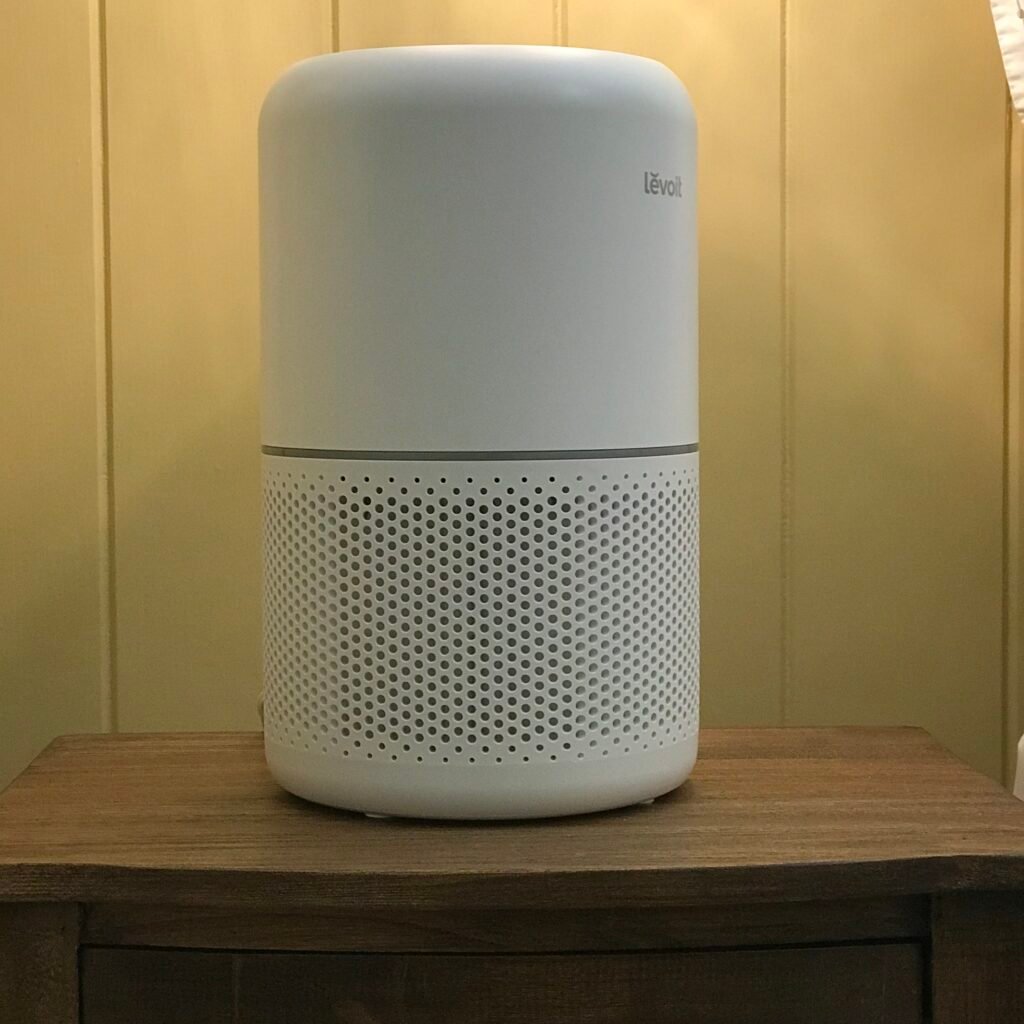
A $300 purifier in the wrong spot loses to a $120 one in the right spot. Put it near where your dog sleeps or spends most of the day, not tucked in a corner behind furniture where airflow gets blocked. If your dog has a favorite window perch or a spot by the radiator, that’s usually where dander concentrates most, and that’s where the intake should face.
For a one-bedroom with a dog that sleeps in the living room, one mid-size HEPA air purifier built for pet odor in that room does more than two cheap units split between rooms. Concentrate the airflow where the dog actually is.
Filter replacement is where the real cost lives
The unit price is the smallest number you’ll spend. Combination HEPA-carbon filters for pet-focused models typically run $30 to $60 and need replacing every three to six months depending on shedding and how often you run the unit. Budget for that before you buy, because a purifier running on an exhausted filter is basically an expensive fan at that point, moving air around without cleaning it. Set a phone reminder the day you install a fresh filter; nobody tracks this from memory and it always runs longer than it should.
If odor is more of a room-specific problem, like a mudroom or entryway where your dog shakes off after walks, a smaller activated carbon purifier for small rooms handles that better than running your main unit harder.
What actually reduces odor at the source
A purifier cleans what’s already in the air. It does nothing about what’s sitting in your carpet, couch, or dog bed, which is where most persistent smell actually originates. Wash dog bedding weekly, not monthly, and vacuum with a pet-hair-rated vacuum at least twice a week if you’re in a small space. Combine that habit with a purifier and most apartments stop smelling like a dog within about two weeks. Skip the vacuuming and rely on the purifier alone, and you’ll be refilling carbon filters every six weeks chasing a smell that keeps regenerating from the floor. If shedding itself is the root problem rather than general odor, it’s worth checking whether your dog’s breed is a heavy shedder in the first place; our low-shedding dog breeds scorecard ranks 37 breeds on exactly that, which is useful reading before your next adoption if odor control is a priority for you.
Frequently asked questions
What actually removes dog urine smell?
An enzymatic cleaner. It breaks down the uric acid crystals that ordinary cleaners leave behind, which is exactly why the smell keeps coming back without one.
Why does my house still smell like dog pee after cleaning?
Regular cleaners mask it but leave the uric salts in the carpet pad or subfloor. Humidity reactivates the odor until an enzyme cleaner digests it.
Does vinegar get rid of dog urine?
It helps with fresh, light accidents and neutralizes some odor, but it will not break down set-in stains the way an enzyme cleaner does.
Google lets you pick which sites come up first in your own results.