

A quick note: a few links below are affiliate links. Buy through one and we may earn a small commission. It never costs you more, and we only point to gear we'd actually put in front of our own dogs. As an Amazon Associate I earn from qualifying purchases.
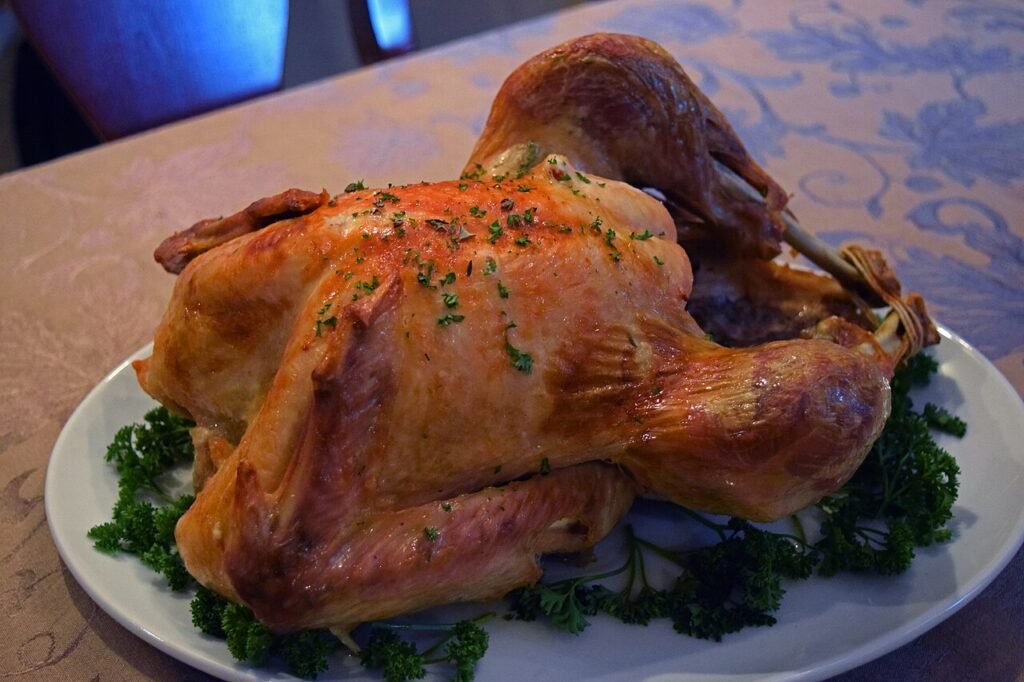
A small bite of boneless, fully cooked turkey is fine for most dogs, and so are plain pieces of sweet potato and green beans. Almost everything else on the Thanksgiving table is either risky or best skipped: skin and fat, bones, onions and garlic, stuffing, raw dough, desserts and anything sweetened with xylitol. The ASPCA advises sticking to your pet’s normal diet and making the holiday extras small.
What your dog can have
The ASPCA’s version of a dog-safe feast is modest: mix pieces of turkey, sweet potatoes and green beans into your dog’s regular dinner. A drizzle of gravy is listed as optional, though the same page warns about the sodium in bouillon cubes used for stocks and gravy, so a sensible approach is to hold back on gravy if you cannot say what is in it.
Turkey must be boneless and fully cooked. Raw or undercooked turkey may carry salmonella, according to the ASPCA, and poultry bones are a major choking hazard. The FDA adds that you should not hand over fat trimmings or the skin from a roasted turkey or chicken, since rich foods can trigger pancreatitis, “a potentially life-threatening and painful disease.” So the portion is plain meat, a few pieces.
| On the table | For the dog? | Why, per the sources |
|---|---|---|
| Boneless, cooked turkey meat | A small bite | ASPCA: boneless and fully cooked only |
| Sweet potatoes, green beans | Yes, mixed into the usual dinner | ASPCA’s dog-safe feast |
| Turkey skin, fat trimmings | No | FDA: rich foods can trigger pancreatitis |
| Turkey bones, carcass | No | FDA: can lodge in the esophagus, stomach or trachea |
| Stuffing with onions or garlic | No | ASPCA: onions and garlic can be toxic |
| Gravy made with bouillon | Avoid | ASPCA: high sodium |
| Bread dough, batter with raw eggs | No | ASPCA: bloat, alcohol, salmonella |
| Desserts with chocolate or xylitol | No | ASPCA, FDA: toxic |
The bones and the fat
The FDA says turkey carcasses and steak bones can get stuck in the esophagus, stomach or trachea, and sharp fragments can injure the mouth, esophagus and stomach. The ASPCA’s people foods page agrees that bones cause gastrointestinal injury or obstruction, which can mean surgery. The practical lesson for a small apartment is about the trash can. The ASPCA suggests taking the trash out throughout the day, since bones, chocolate and onions end up in it, or keeping the dog away from it. The FDA’s wording is to wrap table scraps and bones securely and dispose of them in a bin the pets cannot get into.
Onions, garlic and the side dishes
Onions and garlic are common in Thanksgiving dishes, and the ASPCA lists them as potentially toxic. The ASPCA people foods page explains the mechanism: onion, garlic and chives cause gastrointestinal irritation and red blood cell damage that can lead to anemia. That is why a spoonful of stuffing is not the harmless treat it looks like.
Other items from the same page that show up in holiday cooking:
- Grapes and raisins can cause kidney damage.
- Macadamia nuts can cause weakness, incoordination, vomiting, tremors and hyperthermia, with signs within 12 hours.
- Other nuts are high in fat and can lead to pancreatitis.
- Milk and dairy can cause diarrhea, because dogs have low levels of lactase.
Salt, caffeine, alcohol and other things at the party
Salt is easy to miss. The ASPCA says excess salt can cause thirst, vomiting, tremors and seizures, which is one more reason the bouillon-based gravy should stay off the floor. Coffee and caffeine act through the same compounds as chocolate, the methylxanthines, so a dropped cup of coffee or a cocoa mug left on the coffee table counts. Alcohol is the other one. Keep glasses off low tables, since the ASPCA lists alcohol among the foods to avoid.
Raw meat and eggs can carry salmonella and E. coli, according to the same page, which matters when you are handling a raw turkey on a small counter. Do not leave the thawing bird or the packaging where the dog can reach it. Coconut in small amounts is not harmful, the ASPCA says, so a bit of it in a dessert is not the main worry. The thing to look for is what else is in that dessert.
Dough, batter and dessert
Raw yeast bread dough can expand in the stomach, causing bloat, and the yeast produces alcohol that is absorbed, notes the ASPCA. Keep noses out of cake and pie batter with raw eggs, which carry salmonella. And check the desserts. Xylitol can cause low blood sugar, liver damage and even death in dogs.
Chocolate belongs in this section too. The Merck Veterinary Manual puts the methylxanthine content of baking chocolate at 15.5 mg per gram and cocoa powder at 28.5, against 2.3 for milk chocolate. In plain terms, the dark brownie and the unsweetened baking square are the more dangerous ones. The ASPCA lists the signs of chocolate poisoning as vomiting, diarrhea, panting, excessive thirst and urination, hyperactivity, abnormal heart rhythm, tremors, seizures and death.
Guests, quiet space and the other dinner-table risks
Food is only part of it. The ASPCA suggests leaving blankets on the floor or a bedroom door open so the dog has a quiet place to retreat to, and stuffing treats into a puzzle toy to keep the dog busy during the meal. A crate can do the same job if your dog already likes it; where to put a dog crate in the house has placement ideas. Medication is a hazard too. Guests often leave pills in coats and bags, and the ASPCA says to remind them to keep personal items out of reach.
If your dog eats something it should not
Call your veterinarian if you see drooling, choking or vomiting, says the FDA. If your dog ate chocolate or xylitol, treat it as an emergency and call immediately, and do not wait for signs. The ASPCA Animal Poison Control Center number is (888) 426-4435. Bring the packaging or a note of what was eaten and roughly how much.
Common questions about Thanksgiving and dogs
Can dogs eat turkey on Thanksgiving?
A small bite of boneless, fully cooked turkey is acceptable according to the ASPCA. Skip the skin and fat trimmings, which the FDA says can trigger pancreatitis, and never give the bones.
Is stuffing safe for dogs?
Usually not. The ASPCA warns that onions and garlic, which are common in Thanksgiving dishes, can be toxic to dogs.
Can dogs have sweet potato and green beans?
Yes. The ASPCA’s dog-safe feast idea mixes pieces of turkey, sweet potatoes and green beans into the dog’s usual dinner.
What if my dog steals a bone from the trash?
Call your veterinarian. The FDA says bones can lodge in the esophagus, stomach or trachea and that sharp fragments can injure the mouth and digestive tract. Watch for drooling, choking and vomiting.
Is pumpkin pie safe for dogs?
The sources cited here do not mention pumpkin pie. They do warn that desserts can contain chocolate or xylitol and that rich foods can trigger pancreatitis, so check the ingredients before sharing a bite.
Google lets you pick which sites come up first in your own results.