

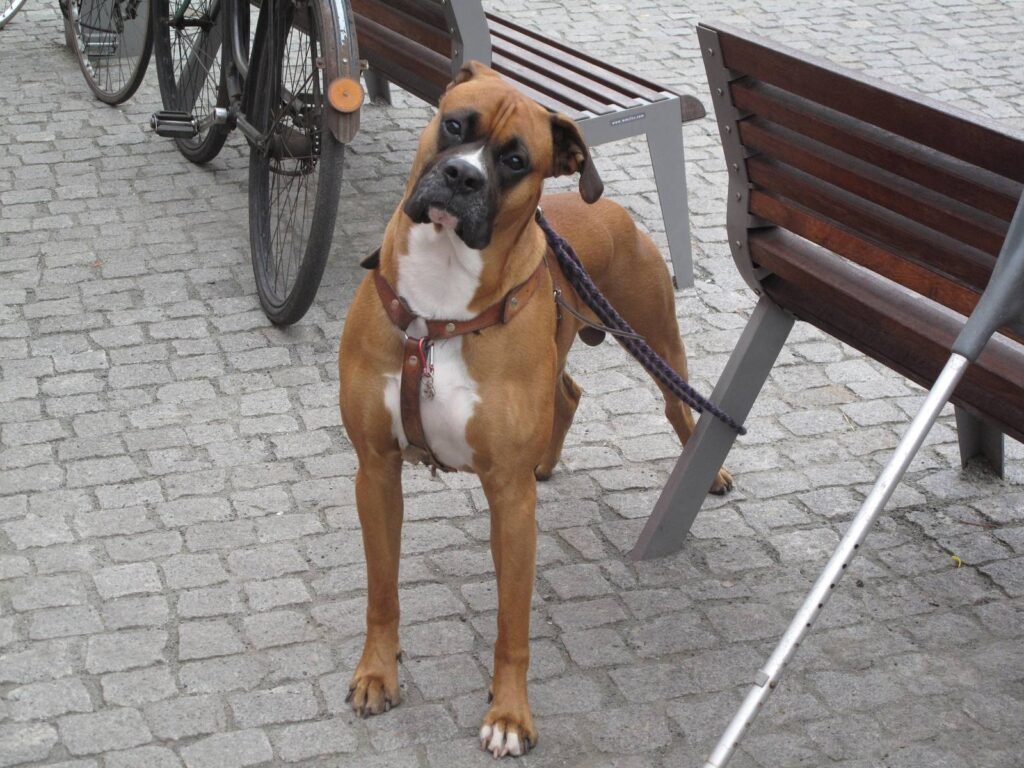
A quick note: a few links below are affiliate links. Buy through one and we may earn a small commission. It never costs you more, and we only point to gear we'd actually put in front of our own dogs. As an Amazon Associate I earn from qualifying purchases.
Quick answer
A front-clip harness turns a pulling dog gently back toward you instead of letting it dig in with its whole body, which is why trainers reach for one over a back-clip design on serious pullers. The tradeoff is that the leash can swing under the front legs on a bouncy dog, so keep a shorter leash and a little tension. Fit matters as much as clip position: a harness rubbing behind the armpits is the top reason dogs fight wearing one at all.
A harness will not teach your dog to stop pulling. I want to say that first, because half the emails I get about “the miracle harness that fixed everything” are really about a dog that finally got some consistent leash work. What the right harness does is buy you control and comfort while you do that work, and stop a 60-pound Lab from dragging you into traffic in the meantime. That part matters. A choking dog on a flat collar is learning nothing except that walks hurt.
The single biggest decision is where the leash clips. Get that right and the rest is fit and budget.
Short on time? Jump straight to the PetSafe Easy Walk front-clip harness
Front-clip vs back-clip, and why it decides everything
A back-clip harness sits the leash ring between the shoulder blades. It is comfortable and it is also, mechanically, a sled dog rig. When your dog leans into it, the harness spreads the load across the chest and lets them pull with their whole body. Great if you want a dog to haul a cart. Not great for the puller you are trying to slow down.
A front-clip harness moves the ring to the center of the chest. Now when the dog surges ahead, the leash turns them gently back toward you instead of letting them dig in. It takes away most of the dog’s pulling power. For a serious puller, that one change does more than any amount of yanking. The tradeoff is that a chest ring can let the leash swing under the front legs on a bouncy dog, so you learn to keep a little tension and a shorter leash.
Fit is where most no-pull harnesses fail
No-pull harnesses, ranked by fit and control
A front clip is what actually stops the pull. After that it comes down to how strong your dog is and how long your walks run.
| Pick | Best for | Our take | Price |
|---|---|---|---|
| PetSafe Easy Walk | Quick fix for pullers | Front clip, easy to fit | Check Price |
| 2 Hounds Freedom | Strong pullers | Dual clip, velvet chest strap | See Price |
| Ruffwear Front Range | All-day comfort | Padded for long city walks | Check on Amazon |
The number one reason a harness “doesn’t work” is that it is rubbing the dog raw behind the armpits, so the dog hates it and fights it. You want the chest strap sitting well below the throat and clear of the leg joint, snug enough that you can slide two flat fingers under it and no more. Too loose and it rides up into the armpit on every step. If your dog is between sizes, size down on a martingale style and up on a padded vest style. Measure the girth right behind the front legs before you buy anything, because breed charts lie and a barrel-chested Frenchie wears a different number than the label suggests.
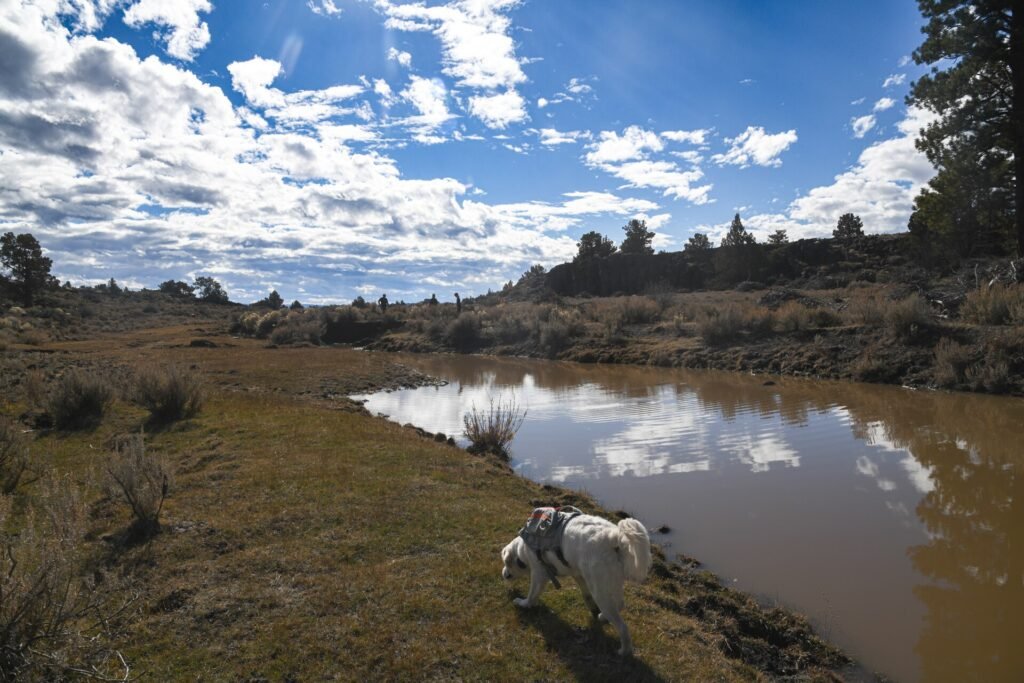
The harnesses worth your money
My everyday pick for most dogs is the Ruffwear Front Range, around $40. It has two rings, a front one for the days your dog forgets his manners and a back one for calm walks, plus four points of adjustment so you can actually dial in the fit. The padding is generous without turning into a heat trap in summer. I have put one on a wriggly Beagle and a stoic Rottweiler and both wore it happily. If you buy one harness and never think about it again, buy this.
On a budget, the PetSafe Easy Walk is about $25 and it is the harness I hand to owners who need results this week. Pure front-clip, dead simple to put on, and the chest strap sits across the breastbone so pulling turns the dog sideways. Two honest gripes: the straps are thinner than the Ruffwear so a heavy puller can chafe on long walks, and the small sizes fiddle to fit on fine-boned dogs. For a starter no-pull tool it is hard to beat the price.
For a dog that pulls like a freight train, the 2 Hounds Design Freedom (around $40) adds a martingale loop on the chest that gently cinches when the dog lunges and releases the second they ease off. It takes a minute to figure out which strap goes where the first time. Once it clicks, it is the most persuasive of the bunch for stubborn pullers, and the velvet lining is kinder on short coats than you would expect.
The Julius-K9 IDC Powerharness gets a mention because so many people ask, but be clear about what it is. It is a back-clip harness, built like a tank, around $40 to $55, brilliant for city dogs who wear gear or need a solid grab handle. It will not fix pulling. If your dog already walks nicely and you want something bombproof with room for patches and bags, it is superb. If the whole reason you are here is the pulling, it is the wrong tool.
So which one
For the average dog and owner, the Ruffwear Front Range is the one I keep coming back to. It fits well, it lasts years, and the second ring means it grows with your training instead of getting retired once the pulling improves. Spend the $25 on the Easy Walk if money is tight or you are not sure the dog will tolerate a harness at all, then upgrade later.
Then do the boring part. Reward the dog for the leash being loose, stop moving the instant it goes tight, and keep sessions short. A treat pouch on your hip makes that ten times easier because you can pay for good behavior the exact moment it happens. The harness holds the line while the training sticks. If your dog also loses it barking at other dogs on the walk, that is a separate problem worth sorting out on its own before you blame the equipment.
Frequently asked questions
Do no-pull harnesses stop a dog pulling?
No harness teaches a dog to stop pulling; consistent leash work does. What the right one buys you is control and comfort while you put that work in, and it stops a 60-pound Lab dragging you into traffic in the meantime.
Front-clip or back-clip harness?
Front-clip for a puller. A back-clip ring sits between the shoulder blades, which is mechanically a sled rig: the dog leans in, the load spreads across the chest and pulling gets easier. A front clip turns the dog gently back toward you instead.
Why does my dog hate wearing its harness?
Nine times out of ten it is the fit rather than the harness. A strap rubbing behind the armpits is the usual culprit, and fit is exactly where most no-pull harnesses fail. Check that before you buy a different model.
Google lets you pick which sites come up first in your own results.