

A quick note: a few links below are affiliate links. Buy through one and we may earn a small commission. It never costs you more, and we only point to gear we'd actually put in front of our own dogs. As an Amazon Associate I earn from qualifying purchases.
Quick answer
Expect a groggy, unsteady dog the first night home, with a light meal at about a quarter of his usual portion, since a full bowl on an anesthetized stomach tends to come back up. Swelling peaks around day two or three and can look alarming even though it is normal; your only real job that stretch is keeping him calm and off the furniture. Put the cone on before bed the first night, not after he has already found the incision.
The surgery itself is over in under an hour. The part that actually tests your patience is the ten days that follow, when your dog feels fine long before his body has finished healing. That gap is where most owners get tripped up.
If you’re still weighing the decision itself, the full rundown of the pros and cons of neutering is worth a read first. This guide picks up after the appointment, when you bring a groggy dog home and have to keep him quiet.
The First Night Home
Expect a wobbly, half-asleep dog. Anesthesia lingers for the rest of the day, so he may stumble, ignore his food, or stare through you. That’s normal. A small light meal, maybe a quarter of his usual portion, is plenty for the first evening. A full bowl on a queasy stomach tends to come right back up.
Some dogs shiver or whine that first night. If he seems genuinely out of sorts and you’re wondering whether he’s just acting groggy or something is actually wrong, the line is whether he settles once the anesthesia wears off. By morning he should be more himself.
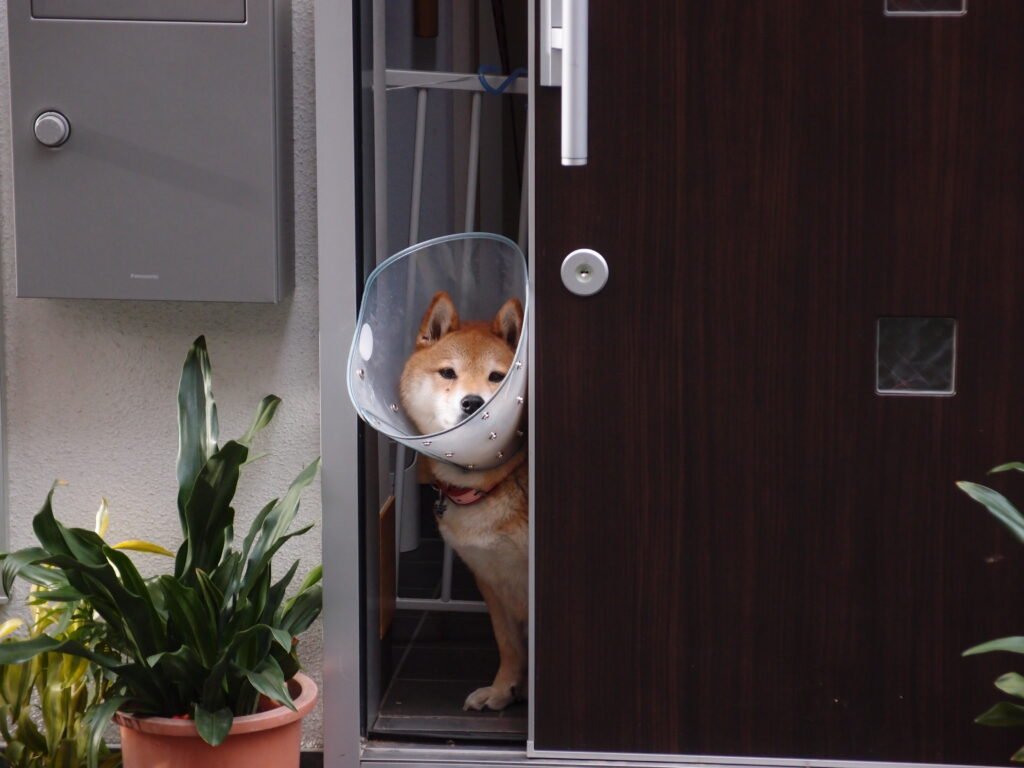
Put the cone on before bed, not after he’s found the incision. Most dogs hate it for about a day, then forget it’s there.
Days 1 to 3: The Quiet Stretch
This is when the swelling peaks. The scrotum often looks puffy or bruised around day two, and plenty of owners panic here thinking the surgery failed. In intact-looking dogs the area can even appear larger than before for a few days. Mild swelling, a thin line of dried blood, and a bit of redness right at the incision are all expected.
Your only real job these three days is keeping him calm. No jumping on the couch, no stairs taken at a run, no wrestling with the kids or other dogs. Short leash walks to pee are fine. Anything that gets his heart rate up risks pulling the internal stitches.
Most vets send you home with a couple of days of pain medication. Give it on schedule even if he seems comfortable, because dogs mask pain well and a comfortable dog rests more.
Days 4 to 7: Feeling Better, Which Is the Problem
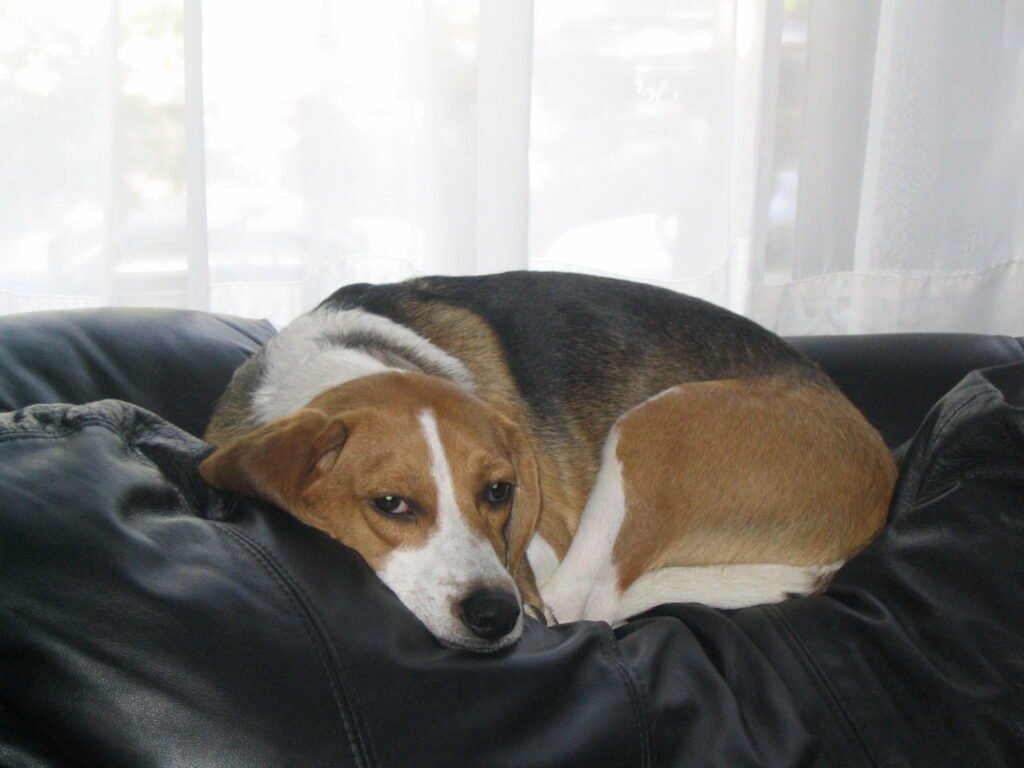
By the fourth or fifth day your dog feels great. Energy comes roaring back, the appetite returns in full, and he wants his normal life again. He does not understand that the incision is only half healed under the skin.
Hold the line on rest. This is the week incisions reopen, almost always because a dog who felt fine bolted off the deck or twisted hard chasing a ball. Keep walks short and on leash. If he’s bouncing off the walls, a stuffed chew or a slow feeder burns mental energy without the physical risk.
Check the incision twice a day. You’re looking for a clean, dry, closed line. A little redness is fine. Spreading redness, swelling that’s getting worse instead of better, any discharge that’s yellow or green, a bad smell, or stitches that have come loose all mean a call to the clinic.
The Second Week
Around days 7 to 10 the incision has usually sealed and the itch sets in as it heals. This is prime licking season, which is exactly why the cone stays on. One determined licking session can undo a week of healing in an afternoon. If your dog truly can’t tolerate the plastic cone, ask the vet about a soft recovery collar or a surgical suit instead.
If your dog has dissolvable internal stitches, there’s nothing to remove. If he has external sutures or staples, you’ll go back somewhere between day 10 and day 14 to have them taken out and the site checked. Most vets clear dogs for normal activity at that visit, not before.
One thing that surprises owners: behavior doesn’t flip overnight. Testosterone takes roughly four to six weeks to clear the system, so marking, roaming, or mounting can hang around for a month or more after the surgery. If those habits were already well practiced, training still has to do its part.
Signs You Shouldn’t Wait On
Most recoveries are boring, which is the goal. Call your vet, though, if you see any of these:
- He won’t eat at all by the second day, or keeps vomiting
- The incision is opening, oozing, or smells off
- Swelling that grows past day three instead of shrinking
- He seems painful, lethargic, or pale-gummed well after the anesthesia should have worn off
- He’s licked the stitches out
Ask your vet about anything that feels off to you specifically. You know your dog’s normal better than a checklist does, and a quick phone call beats a reopened incision every time. Keep him quiet, keep the cone on, and in two weeks this is a memory.
Google lets you pick which sites come up first in your own results.