
A quick note: a few links below are affiliate links. Buy through one and we may earn a small commission. It never costs you more, and we only point to gear we'd actually put in front of our own dogs. As an Amazon Associate I earn from qualifying purchases.
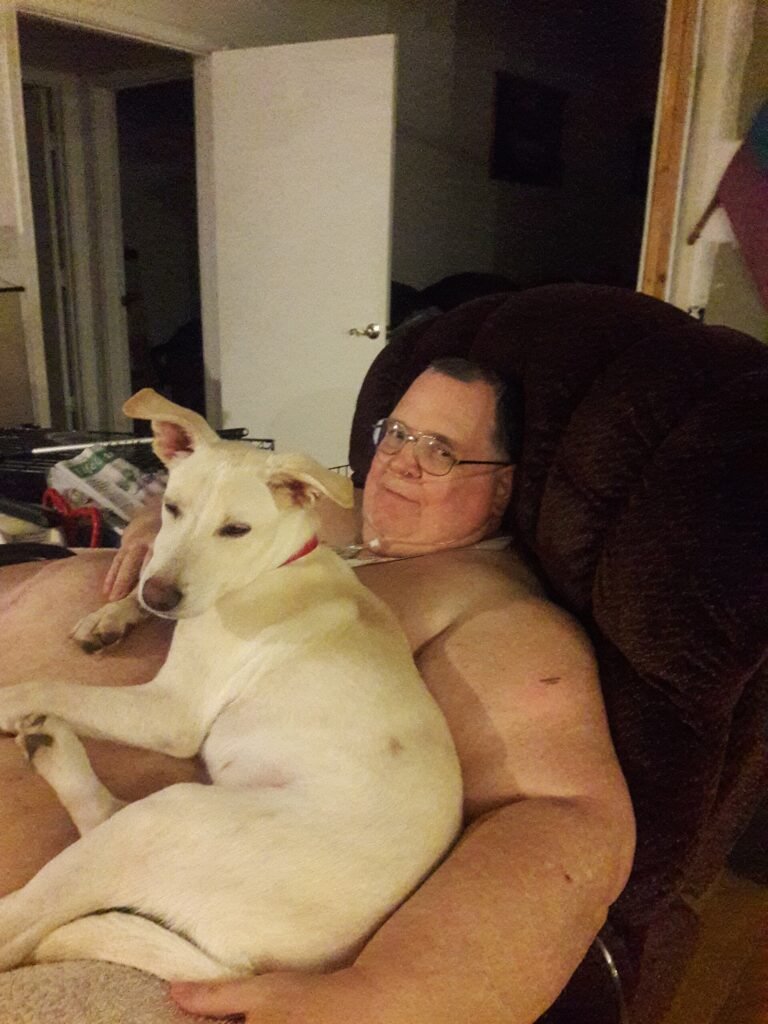
You sit down, the dog crosses the room and plants himself on your lap. Your partner sits down right beside you and gets nothing. Same dog, same couch, two completely different responses. It stings a little for the person being skipped, and it’s one of the most common questions dog owners quietly wonder about.
The sitting itself is normal dog stuff. If you want the full list of reasons a dog parks himself on his person, that’s covered in depth elsewhere. The more interesting question is why he picks one human and treats the other like furniture.
Dogs Bond Hardest with One Person, and It’s Often Not Who You’d Guess
Plenty of dogs form a primary attachment to a single member of the household. Research on this leans on a simple driver: the person who handles the early, formative care tends to become the anchor. In a lot of homes that’s whoever fed him as a puppy and ran those first socialization weeks, somewhere in the three-to-twelve-week window when dogs soak up bonds fastest.
Here’s the part that catches couples off guard. It isn’t always the person who does the most for the dog day to day. I’ve seen dogs glue themselves to the partner who works long hours and ignore the one who feeds, walks, and cleans up after them. Reliability and routine matter, but so does temperament and chemistry in a way that doesn’t always feel fair.
What Actually Tips the Scale
A few concrete things push a dog toward one lap over another.
Body language and energy
Dogs read us constantly. A calm, low-key person who lets the dog approach on his own terms often wins out over someone who reaches, grabs, and makes direct eye contact. To a dog, the still person feels safe. The enthusiastic one can feel like a lot.
Voice and handling
Higher, softer voices tend to draw dogs in. So does a gentle, predictable touch. If one person tends to be the disciplinarian and the other is the fun one, guess whose lap gets chosen.
Warmth and scent
Sometimes it’s almost comically simple. The chosen person runs warmer, sits in the same spot every evening, or carries the scent the dog associates with comfort and food. Dogs are creatures of pattern, and your lap might just be the most predictable warm seat in the house.
Resource guarding, occasionally
Worth flagging the less cuddly explanation. If the dog stiffens, stares, or growls at your partner from your lap, that isn’t favoritism, it’s guarding. He’s treating you as a resource to defend. That one deserves attention before it grows, ideally with a trainer, because it can shade into the same territory as other pushy attention-seeking behaviors if it goes unchecked.
How the Skipped Partner Can Win Him Over
The good news is that a dog’s favorite isn’t fixed for life. Attachments shift with who does what. If your partner wants in, a few things move the needle within a couple of weeks:
- Hand over the good jobs. Let the overlooked person do the feeding, the favorite walk, and the treat-based training for a while.
- Play the games the dog loves most. Fetch, tug, scent games, whatever lights him up.
- Stop chasing the dog’s attention. Sit still, ignore him, let him make the first move. Dogs gravitate to the person who isn’t trying.
- Be the calm one at stressful moments, like thunderstorms or vet trips.
One honest caveat. A sudden, sharp change in who your dog wants to be near, especially clinginess paired with hiding or trembling, can point to pain or anxiety rather than preference. If the shift comes out of nowhere, mention it to your vet rather than chalking it up to mood.
Most of the time, though, there’s nothing to fix. Your dog has a person, and right now it happens to be you. Sit back and enjoy being chosen. Your partner can put in the legwork and earn a lap of their own.
Google lets you pick which sites come up first in your own results.