


A quick note: a few links below are affiliate links. Buy through one and we may earn a small commission. It never costs you more, and we only point to gear we'd actually put in front of our own dogs. As an Amazon Associate I earn from qualifying purchases.
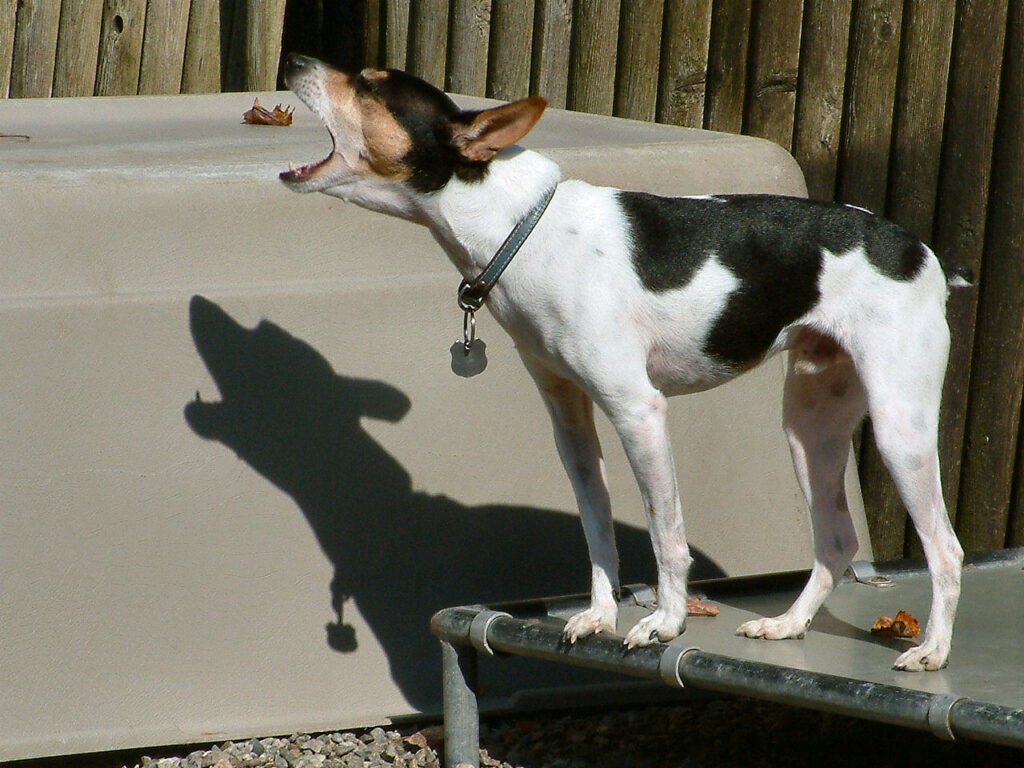
The mail carrier. A leaf. The neighbor’s cough through the wall. A small dog that barks at everything has decided the entire world needs commentary, and by the time most owners go looking for help, the habit is months deep. The good news is that “barks at everything” almost always breaks down into two or three specific triggers, and you fix those one at a time rather than trying to mute the dog wholesale.
If you want the why behind it first, we covered the reasons in why small dogs bark so much. This piece is about what to actually do.
Figure Out What “Everything” Really Means
Spend two days just watching, no correcting. Jot down every outburst and what set it off. Almost always a pattern surfaces: most of the noise is at the window, or it’s anything that moves past the front door, or it’s strangers, or it’s being left alone. “Everything” turns out to be three things on repeat.
That matters because window barking and separation barking need completely different responses. Lumping them together is why so many owners feel stuck. Name the triggers and the problem shrinks to something you can chip at. If this sounds familiar, our piece on stopping apartment barking, step by step covers exactly that.
Kill the Window Patrol
For a lot of small dogs, the window is the main stage. Every passing person or dog triggers a bark, the trigger then leaves (because they were walking by anyway), and the dog learns that barking makes intruders retreat. It works, in his mind, every single time.
The fastest fix is dull but effective: block the view. Frosted window film on the lower half of the glass, a closed blind, or simply moving the dog’s bed away from the lookout spot. No parade, no barking. You’re not training here, you’re removing the thing that rehearses the habit a hundred times a day.
Teach “Quiet” the Honest Way
Yelling reads as joining in. To a barking dog, your raised voice sounds like you’re alarmed too, which confirms there was something to bark about. Instead, work a calm “quiet” cue with treats.
When he barks, wait for the half-second pause that always comes when he takes a breath. The instant he’s silent, say “quiet” once, then reward. You’re labeling the silence, not the noise. Do it enough and the word starts to mean “stop and a treat is coming.” Keep your tone flat and bored. Drama feeds the fire.
Consistency from everyone in the house decides whether this sticks. If one person rewards quiet and another tosses the dog a treat to shut him up mid-bark, you’ve taught him barking pays. Pick the rule and hold it.
Drain the Fuel Tank
A tired dog is a quiet dog, and small breeds are routinely under-exercised because owners assume a few laps of the living room counts. It doesn’t. A couple of real walks plus some nose work or a puzzle feeder takes the edge off the restlessness that powers a lot of nuisance barking.
If most of the barking happens when nobody’s home, you’re likely dealing with boredom or anxiety rather than guarding, and the playbook changes. Our guide on leaving your dog home alone while you’re at work covers the setup that keeps a dog settled, and apartment dwellers will want the neighbor-saving tactics in how to stop a dog barking in an apartment.
What Not to Do
Skip the shock and high-pitch ultrasonic collars. They punish the bark without touching the reason behind it, and with an already anxious small dog they usually make the underlying worry worse, which means more barking somewhere else. There’s also no reliable way for the device to tell a genuine alarm from a nothing bark.
Set a realistic bar too. The goal isn’t a dog that never makes a sound. It’s a dog that sounds off once or twice, then lets it go when you say so. Get there and you can both live with it.
Frequently asked questions
How do I stop my dog barking in an apartment?
Find the trigger first, usually noise in the hallway. Manage it with white noise or by blocking the window view, then reward quiet instead of shouting, which only adds to the noise.
Why does my dog bark at people on walks?
Usually fear or frustration, not aggression. Add distance, reward calm looks at the person, and avoid tightening the leash, which tells the dog there is something to worry about.
Do anti-bark collars actually work?
They suppress the symptom without fixing the cause and can make fear-based barking worse. Address the trigger and reward quiet instead.
Google lets you pick which sites come up first in your own results.